
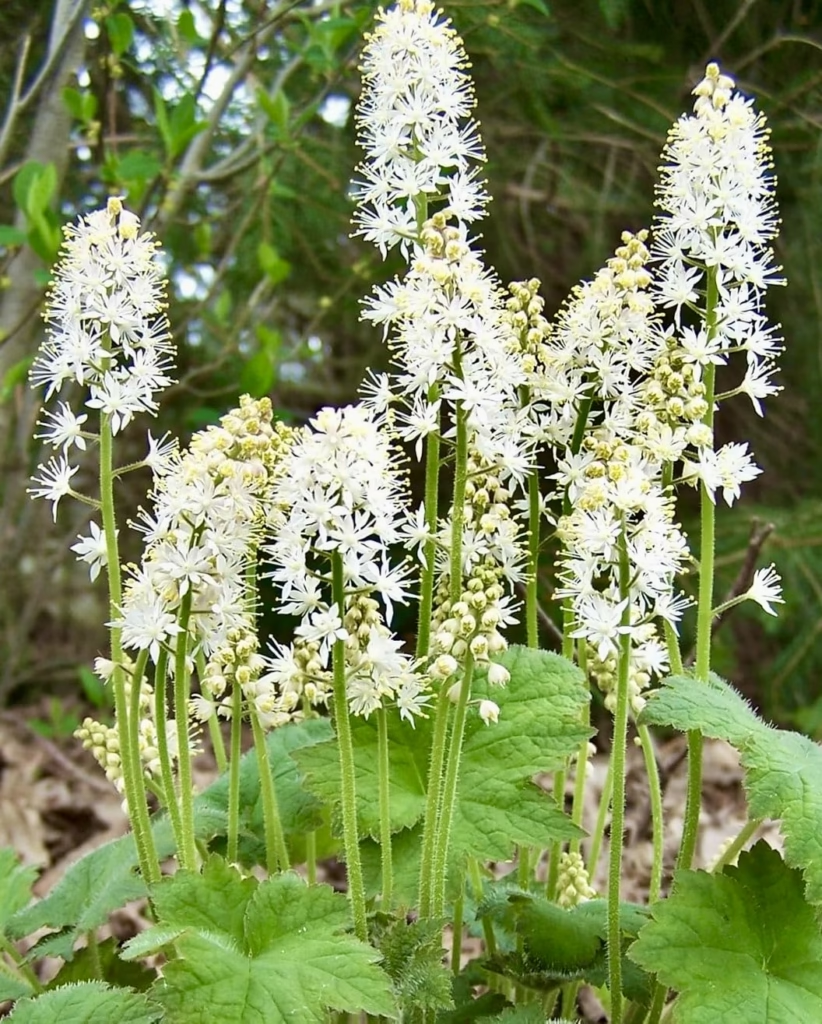
Tiarella ‘Spring Symphony’ brings a burst of delicate flowers and deeply lobed, patterned foliage to the garden. This perennial, also called foamflower, thrives in shady spots, making it perfect for woodland gardens or shaded borders. It adds color and texture throughout the growing season with its vibrant leaves and airy flower spikes. Growing Tiarella ‘Spring Symphony’ requires the right soil, proper planting techniques, and consistent care throughout the year.
Soil Preparation
Tiarella ‘Spring Symphony’ flourishes in rich, well-draining soil. It prefers slightly acidic to neutral soil with a pH between 5.5 and 7.0. To improve drainage and fertility, mix organic matter like compost or leaf mold into the soil before planting. Adding peat moss can help retain moisture while preventing waterlogging. Avoid heavy clay soil, as it holds too much water and may cause root rot. If planting in containers, use a high-quality potting mix with added perlite to improve aeration.
When and How to Plant
The best time to plant Tiarella ‘Spring Symphony’ is in early spring or early fall. Planting during these seasons allows the roots to establish before extreme summer heat or winter cold. Choose a spot with partial to full shade, as too much direct sunlight can scorch the leaves. Space plants about 12 to 18 inches apart to give them room to spread and fill in the area naturally.
Dig a hole slightly wider and as deep as the root ball. Place the plant in the hole, making sure the crown sits level with the soil surface. Backfill with soil and press down gently to eliminate air pockets. Water thoroughly to help the plant settle in. Mulching around the base with shredded leaves or bark helps retain moisture and suppress weeds.
Light Requirements
Tiarella ‘Spring Symphony’ thrives in dappled sunlight or full shade. It tolerates morning sun but struggles with intense afternoon heat. In hotter climates, ensure it gets shade for most of the day. When planted in too much sun, the foliage may scorch, and flowering may decrease. If growing indoors or in a shaded patio container, place it in a bright but indirect light area for the best results.
Watering Needs
Consistent moisture keeps Tiarella ‘Spring Symphony’ healthy, but overwatering can cause problems. Water deeply once or twice a week, depending on weather conditions. During dry periods, increase watering to prevent the soil from drying out completely. Adding mulch around the base helps retain moisture and reduces the need for frequent watering. In containers, check the soil regularly and water when the top inch feels dry. Always water at the base to avoid wetting the foliage, which can lead to fungal diseases.
Fertilizing for Healthy Growth
Feeding Tiarella ‘Spring Symphony’ encourages strong growth and abundant blooms. Apply a balanced, slow-release fertilizer in early spring as new growth appears. A 10-10-10 or 5-10-5 fertilizer works well. For an organic option, use compost or well-rotted manure to enrich the soil. During the growing season, supplement with a liquid fertilizer every four to six weeks to promote lush foliage and extended flowering. Avoid excessive nitrogen, as it encourages leaf growth over flowers.
After-Bloom Care and Winter Protection
Once flowering ends, trim spent flower stalks to maintain a tidy appearance. The foliage remains attractive throughout the year, especially in mild climates. In late fall, remove any dead or damaged leaves to prevent disease.
In colder regions, add a layer of mulch to protect the roots from freezing temperatures. A two-inch layer of straw or shredded leaves works well. Tiarella ‘Spring Symphony’ is hardy in USDA zones 4-9, but extreme cold may cause dieback. In spring, remove mulch gradually as temperatures rise to encourage new growth. If growing in a container, move it to a sheltered location or an unheated garage during winter to protect the roots.
Happy Spring Gardening
Tiarella ‘Spring Symphony’ offers beauty and low-maintenance appeal for shaded gardens. With proper soil preparation, careful planting, and consistent care, this perennial thrives and brings color year after year. By providing the right balance of light, water, and nutrients, gardeners can enjoy its delicate blooms and striking foliage throughout the seasons. Whether in garden beds, woodland settings, or containers, this foamflower variety adds charm and elegance to any space.
Please be sure to check out my Gardening Blog Post Page for more tips on all types of gardening. Including Seed Saving, Seed Starting, Orchids, Water Gardening, Coldframe Gardening, Indoor Bulb Gardening, Hydroponics, Container Gardening, Mums, Herbs, African Violets, planting Bulbs, Flower Gardening, Vegetable and Fruit Gardening, Indoor Houseplants of all kinds, Cactus, Succulents, Hanging plants, Deer resistant plants and even Bird, Bee, Butterfly and Hummingbird Gardens!