
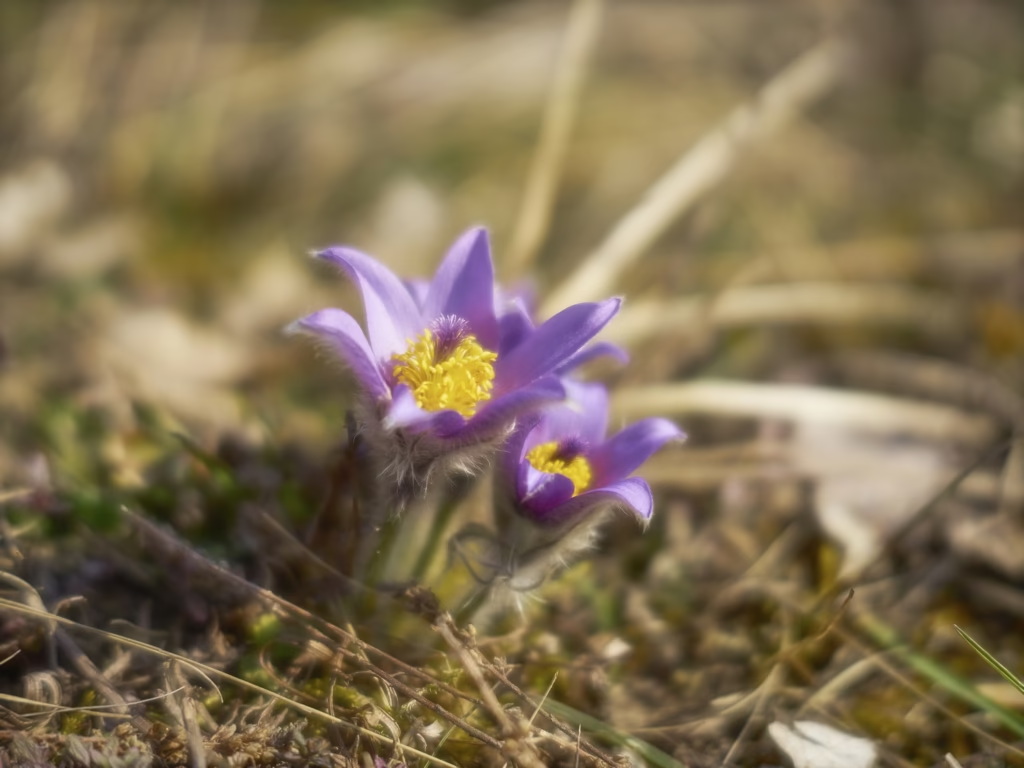
Pasque flowers (Pulsatilla spp.) are stunning perennials that bring a burst of early spring color to gardens. These hardy flowers are known for their silky, bell-shaped blooms in shades of purple, red, and white, and their finely textured foliage adds charm even after the flowers fade. Growing pasque flowers in your garden is a rewarding experience if you provide the right conditions and care. This guide will help you prepare the soil, plant them at the right time, and care for them through all seasons.
Preparing the Soil for Pasque Flowers
The first step to growing healthy pasque flowers is preparing the soil. These plants thrive in well-draining soil with a slightly sandy texture. Start by selecting a spot in your garden where water does not collect after rainfall. If the soil in your garden is heavy or clay-like, improve its drainage by mixing in sand, perlite, or small gravel.
Pasque flowers prefer slightly alkaline to neutral soil with a pH between 6.5 and 8. Before planting, test your soil’s pH using a simple soil testing tool. If the soil is too acidic, you can add lime to raise the pH to a suitable range. Additionally, enrich the soil by mixing in organic compost or well-rotted manure. This improves soil fertility and ensures the plants have access to essential nutrients during their growing season.
When and How to Plant Pasque Flowers
Timing is crucial when planting pasque flowers. The best time to plant these perennials is either in early spring or fall. Spring planting gives them a full growing season to establish, while fall planting allows them to develop strong roots before the ground freezes.
To plant pasque flowers, dig holes twice as wide as the root ball but only as deep as the plant’s existing root system. Space the plants about 12 inches apart to give them room to grow and spread. If you’re growing them from seeds, sow the seeds directly into the prepared soil in early spring or late summer. Lightly press the seeds into the surface without burying them, as they need sunlight to germinate. Keep the soil consistently moist until the seeds sprout, which typically takes two to three weeks.
Light Requirements for Pasque Flowers
Pasque flowers flourish in locations with full sun to partial shade. For the best blooms, choose a sunny spot that receives at least six hours of sunlight daily. In hotter climates, providing light afternoon shade helps prevent the plants from wilting during the peak summer heat. Too much shade, however, can result in fewer blooms and leggy growth, so balance the light exposure accordingly.
Watering Pasque Flowers
Proper watering is essential for healthy pasque flowers. While these plants are drought-tolerant once established, they need consistent moisture during their initial growing phase. Water them deeply once or twice a week, depending on the weather and soil conditions.
To prevent overwatering, allow the top inch of soil to dry out between watering sessions. Avoid letting the roots sit in waterlogged soil, as this increases the risk of root rot. In dry climates, adding a layer of mulch around the base of the plants helps retain soil moisture and reduces the need for frequent watering.
Fertilizing Pasque Flowers
Pasque flowers are not heavy feeders, but occasional fertilization helps them produce vibrant blooms and healthy foliage. In early spring, apply a balanced slow-release fertilizer with an equal ratio of nitrogen, phosphorus, and potassium (e.g., 10-10-10). Scatter the fertilizer around the base of the plants, taking care to keep it away from the stems, and water it in thoroughly.
Avoid over-fertilizing, as excessive nutrients can lead to lush foliage at the expense of blooms. If you’ve amended your soil with compost or organic matter, you may not need to fertilize as often. Once the flowers finish blooming, stop fertilizing to allow the plants to transition into their dormant phase.
After-Bloom and Winter Care
After the pasque flowers finish blooming, their seed heads add an attractive touch to the garden. These fluffy, silver seed heads can remain on the plant for visual interest, or you can collect them if you’d like to propagate the plants. To encourage a tidy appearance, deadhead spent blooms and remove any damaged foliage.
Pasque flowers are hardy and can withstand cold winters, especially when grown in USDA zones 4–8. However, providing extra winter care ensures their survival and promotes strong growth the following spring. In late fall, cut back the foliage to about 2–3 inches above the soil level. Mulch the plants with a 2-inch layer of straw, pine needles, or shredded leaves to protect their roots from freezing temperatures.
In regions with extremely harsh winters, consider covering the plants with a frost cloth for additional protection. As spring arrives, remove the mulch gradually to allow new growth to emerge.
Additional Tips for Success
- Propagation: If you want to expand your pasque flower collection, divide mature plants in the fall or early spring. Use a sharp spade to separate the root clumps, and replant the divisions immediately.
- Pests and Diseases: Pasque flowers are relatively pest-resistant, but they can occasionally attract aphids. Spray affected plants with a strong jet of water or use insecticidal soap to manage infestations.
- Companion Plants: Pair pasque flowers with other early bloomers like crocuses, daffodils, and hellebores for a vibrant spring display.
Final Thoughts
Growing pasque flowers adds a unique charm to your garden with their early blooms, soft textures, and easy-care nature. By preparing well-draining soil, planting at the right time, and meeting their light, water, and fertilizer needs, you can enjoy these beautiful perennials year after year. Remember to provide winter care to help them thrive through cold months, ensuring a spectacular display when spring returns.
With proper attention and care, pasque flowers will reward you with their beauty and resilience, making them a delightful addition to any garden.
Please be sure to check out my Gardening Blog Post Page for more tips on all types of gardening. Including Seed Saving, Seed Starting, Orchids, Water Gardening, Coldframe Gardening, Indoor Bulb Gardening, Hydroponics, Container Gardening, Mums, Herbs, African Violets, planting Bulbs, Flower Gardening, Vegetable and Fruit Gardening, Indoor Houseplants of all kinds, Cactus, Succulents, Hanging plants, Deer resistant plants and even Bird, Bee, Butterfly and Hummingbird Gardens!