
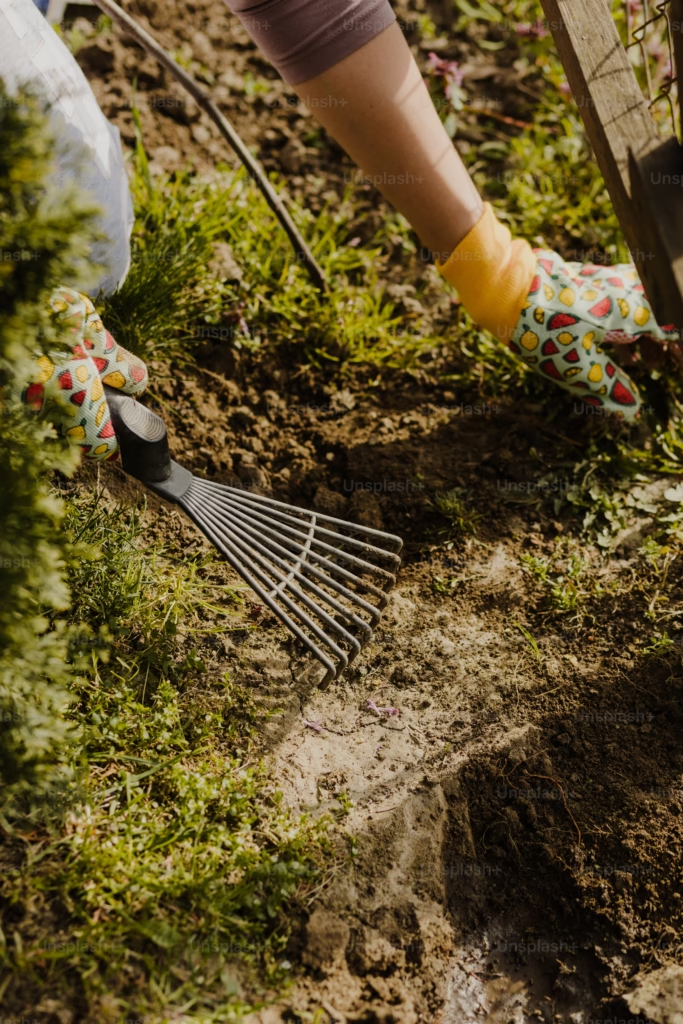
As winter transitions to spring, gardeners eagerly anticipate warmer days and blooming flowers. However, a productive and beautiful garden requires proper preparation. Spring is the season of renewal, and your garden deserves a fresh start. Follow these essential tips for removing debris, preparing soil, adding new mulch, and more to ensure your garden thrives throughout the season.
Start by Clearing Out Debris
The first step in getting your garden ready for spring is clearing out any debris accumulated during winter. Fallen leaves, dead plants, and broken branches can harbor pests and diseases that could harm your new growth. Begin by raking away leaves and twigs from garden beds and pathways. For larger branches, prune them with clean, sharp tools to prevent damage to trees and shrubs.
If your garden has any remaining annuals from the previous season, pull them out by the roots. For perennial plants, trim back any dead or damaged foliage. This process not only tidies up your garden but also creates space for fresh growth to emerge. Dispose of the debris in a compost bin or yard waste bag, ensuring you keep diseased plant material out of your compost pile.
Prepare Your Soil
Once your garden is clear of debris, focus on preparing the soil. Healthy soil lays the foundation for vigorous plants, so it’s essential to enrich and refresh it. Begin by loosening compacted soil with a garden fork or tiller. This allows air, water, and nutrients to penetrate deeply and reach the plant roots.
Next, test your soil’s pH and nutrient levels. You can use this soil test meter-small and inexpensive. Based on the results, amend the soil as needed. Add organic matter like compost or well-rotted manure to improve fertility and structure. For gardens with specific nutrient deficiencies, consider adding amendments such as bone meal for phosphorus or lime to raise the pH.
While working the soil, remove any weeds you encounter. Pull them up by the roots to prevent regrowth. Addressing weeds early saves you time and effort as the growing season progresses.
Add Fresh Mulch
Mulching is a crucial step in preparing your garden for spring. Mulch not only enhances the appearance of your garden beds but also helps retain moisture, regulate soil temperature, and suppress weed growth. Before applying new mulch, remove any old, decomposed layers from the previous season.
Choose an organic mulch such as shredded bark, straw, or wood chips. Spread a 2- to 3-inch layer evenly around your plants, taking care to leave a small gap around the base of each plant to prevent rot. If you grow vegetables, consider using straw or grass clippings as mulch, as these break down quickly and add nutrients to the soil.
Divide and Transplant Perennials
Spring is the perfect time to divide and transplant perennials that have outgrown their space. Plants like daylilies, hostas, and irises benefit from occasional division to maintain their health and vigor. Dig up the plant carefully, then separate the root clumps into smaller sections using a sharp spade or knife. Replant these divisions in well-prepared soil, spacing them according to their mature size.
When transplanting, water the plants immediately to help them establish. Adding a layer of mulch around the base also protects the roots and retains moisture. Dividing perennials early in the season ensures they have ample time to recover and thrive in their new locations.
Prune Shrubs and Trees
Spring pruning keeps your shrubs and trees healthy and encourages new growth. Remove any dead, diseased, or damaged branches first, as these can attract pests and hinder growth. For flowering shrubs, prune them according to their blooming schedule. Early bloomers like lilacs and forsythias should be pruned after flowering, while summer bloomers like hydrangeas benefit from early spring pruning.
Use sharp, clean tools to make precise cuts, and avoid over-pruning, as this can weaken the plant. Pruning not only shapes your plants but also improves air circulation and light penetration, promoting overall health.
Plan for New Plantings
As you prepare your garden, think ahead about what you want to grow this season. Whether you plan to start a vegetable garden, add vibrant annuals, or expand your perennial beds, now is the time to plan. Create a planting schedule based on your local frost dates and the specific needs of each plant.
For vegetables, consider starting seeds indoors for crops like tomatoes, peppers, and eggplants. This gives them a head start and ensures a longer growing season. When the soil warms up, direct-sow seeds for fast-growing crops like lettuce, radishes, and beans.
Maintain Garden Tools
Spring preparation also includes ensuring your tools are in excellent condition. Clean, sharpen, and oil your tools to make gardening tasks easier and more efficient. For example, dull pruners can damage plant stems, while rusty shovels may not cut through soil effectively. Taking the time to maintain your tools extends their lifespan and improves your gardening experience.
Create a Watering Plan
Proper watering is vital for healthy plants, especially as they emerge in the spring. Check your irrigation system for leaks or clogs and repair any issues before the growing season begins. If you use soaker hoses or drip irrigation, ensure they’re evenly distributing water across your garden beds.
Consider adding a rain barrel to collect water from downspouts. This eco-friendly solution reduces water waste and provides a natural source of moisture for your plants.
Protect Emerging Plants
As temperatures rise, keep an eye out for late frost warnings. Cover tender plants with frost cloths or old bedsheets during chilly nights to protect them. Additionally, monitor your garden for early signs of pests such as aphids or slugs. Handpick pests or use organic solutions like neem oil to prevent infestations from spreading.
Enjoy the Rewards
Preparing your garden for spring takes time and effort, but the results are worth it. A clean, well-prepared garden sets the stage for a season filled with healthy plants, vibrant blooms, and bountiful harvests. By following these steps, you’ll ensure your garden is ready to flourish and provide beauty and enjoyment all season long.
Start now, and let the anticipation of spring motivate you to create a thriving outdoor space. With each task completed, you’ll get closer to the garden of your dreams.
Please be sure to check out my Gardening Blog Post Page for more tips on all types of gardening. Including Seed Saving, Seed Starting, Orchids, Water Gardening, Coldframe Gardening, Indoor Bulb Gardening, Hydroponics, Container Gardening, Mums, Herbs, African Violets, planting Bulbs, Flower Gardening, Vegetable and Fruit Gardening, Indoor Houseplants of all kinds, Cactus, Succulents, Hanging plants, Deer resistant plants and even Bird, Bee, Butterfly and Hummingbird Gardens!