
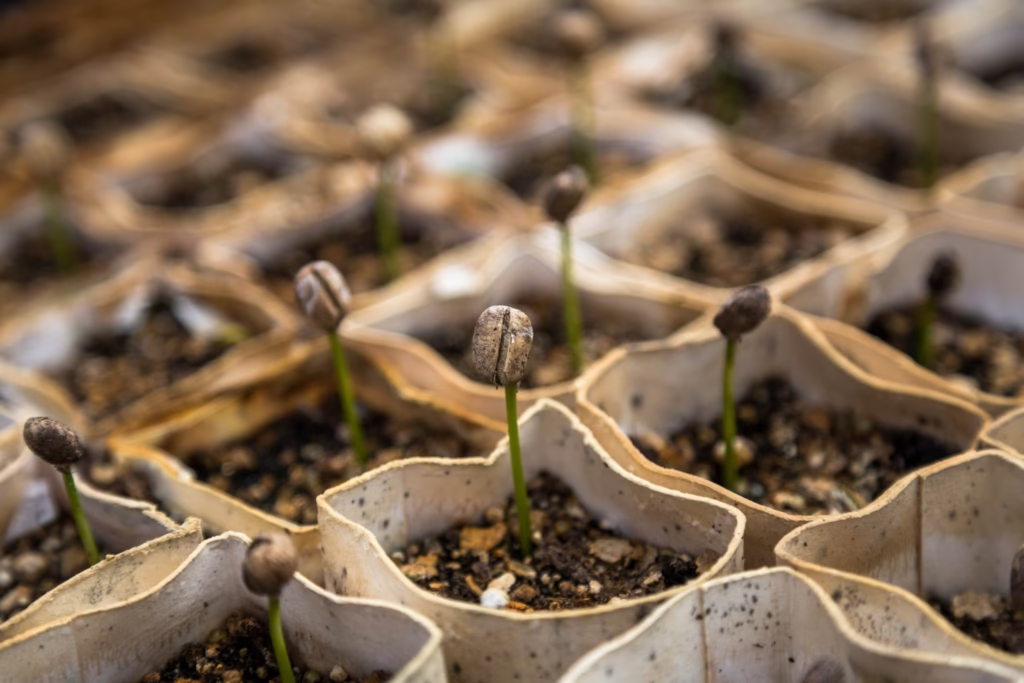
Knowing when to start seeds indoors in Zone 6 can make a huge difference in your gardening success. With the right timing, soil preparation, and care, you can enjoy a productive vegetable garden throughout the growing season. Let’s explore the best vegetables to start indoors, when to start them, and how to care for them from seed to garden.
Timing for Starting Seeds Indoors in Zone 6
Zone 6 typically experiences its last frost date between April 15 and May 15. To ensure your plants are ready for transplanting, count back from the last frost date based on each vegetable’s growing needs. For example, tomatoes and peppers, which take longer to mature, should be started 6-8 weeks before the last frost. This means you should plant these seeds indoors in late February or early March. On the other hand, faster-growing crops like cucumbers and squash only need 3-4 weeks, so start them in late March or early April.
Here’s a quick guide to when to start common vegetables indoors in Zone 6:
- Tomatoes: Late February to early March
- Peppers: Late February to early March
- Eggplant: Late February to early March
- Broccoli: Mid to late February
- Cauliflower: Mid to late February
- Cabbage: Mid to late February
- Lettuce: Early March
- Cucumbers: Late March to early April
- Squash: Late March to early April
- Melons: Late March to early April
By following this schedule, you will give your plants the head start they need to thrive outdoors.
Choosing the Right Soil for Starting Seeds
Using the right soil is essential for healthy seedling growth. Regular garden soil is too dense and may contain pathogens that harm seedlings. Instead, use a seed-starting mix designed for young plants. These mixes are lightweight, well-draining, and nutrient-rich. Look for a mix that includes peat moss, vermiculite, and perlite, as these ingredients retain moisture without becoming waterlogged.
Before planting, moisten the soil slightly so it feels damp but not soggy. Fill your seed trays or containers with this mix, leaving about half an inch of space at the top. This setup provides the perfect environment for your seeds to germinate.
Using Grow Lights and Heat Mats
To ensure successful germination and healthy growth, provide your seedlings with adequate light and warmth. Most seeds require temperatures between 65°F and 75°F to germinate. If your home runs cooler, use a heat mat under your seed trays. Heat mats maintain consistent warmth, which speeds up germination.
Once the seeds sprout, they need plenty of light to grow strong and avoid becoming leggy. A sunny windowsill may not provide enough consistent light, especially during shorter winter days. Invest in grow lights to give your seedlings the bright, full-spectrum light they need. Position the lights 2-4 inches above the seedlings, adjusting as they grow to maintain this distance. Aim for 12-16 hours of light daily to mimic natural sunlight.
Thinning Seedlings for Healthy Growth
Once your seeds germinate and grow their first true leaves, it’s time to thin them. Thinning prevents overcrowding, allowing each seedling enough space to develop strong roots and stems. To thin, snip the smaller or weaker seedlings at the soil line using small scissors. Avoid pulling them out, as this can disturb the roots of nearby plants.
For most vegetables, aim to leave one strong seedling per cell or small container. This focused energy ensures the remaining seedlings grow into healthy, robust plants ready for transplanting.
Hardening Off Seedlings Before Planting
Before moving your seedlings outdoors, they need time to adjust to outdoor conditions. This process, called hardening off, reduces transplant shock and helps seedlings thrive once planted. About one to two weeks before your planned transplant date, start exposing your seedlings to outdoor conditions gradually.
Begin by placing them in a sheltered, shady spot for a few hours each day. Increase their exposure to sunlight, wind, and outdoor temperatures over several days. By the end of the hardening-off period, your seedlings should spend full days and nights outdoors without issue. Be sure to bring them inside if frost or extreme weather threatens during this transition.
Planting Seedlings Outdoors
When planting time arrives, ensure the soil has warmed and the danger of frost has passed. For most Zone 6 gardens, this falls between late April and mid-May. Prepare your garden beds by removing weeds, loosening the soil, and adding compost or organic matter to enrich it.
Transplant your seedlings on a cloudy day or in the late afternoon to avoid stress from direct sunlight. Dig holes slightly larger than the seedling’s root ball, spacing them according to each vegetable’s requirements. Gently remove seedlings from their containers, being careful not to damage the roots. Place them in the holes, cover with soil, and water thoroughly to help them settle.
Keep an eye on your newly transplanted seedlings during the first week. Water them regularly and protect them from pests or sudden weather changes. With the right care, your seedlings will quickly establish themselves and start growing vigorously.
Tips for a Successful Indoor Seed-Starting Experience
- Label your trays: Keep track of what you planted and when to avoid confusion later.
- Avoid overwatering: Too much water can lead to damping-off, a fungal disease that kills seedlings. Keep the soil moist but not soggy.
- Use proper containers: Seed-starting trays, egg cartons, or small pots with drainage holes work well.
- Fertilize sparingly: Once seedlings develop their first true leaves, feed them with a diluted liquid fertilizer every two weeks.
By following these steps, you’ll have strong, healthy seedlings ready to transplant into your Zone 6 garden. Starting seeds indoors requires a bit of planning and effort, but the reward of fresh, homegrown vegetables makes it all worthwhile.
Please be sure to check out my Gardening Blog Post Page for more tips on all types of gardening. Including Seed Saving, Seed Starting, Orchids, Water Gardening, Coldframe Gardening, Indoor Bulb Gardening, Hydroponics, Container Gardening, Mums, Herbs, African Violets, planting Bulbs, Flower Gardening, Vegetable and Fruit Gardening, Indoor Houseplants of all kinds, Cactus, Succulents, Hanging plants, Deer resistant plants and even Bird, Bee, Butterfly and Hummingbird Gardens!