
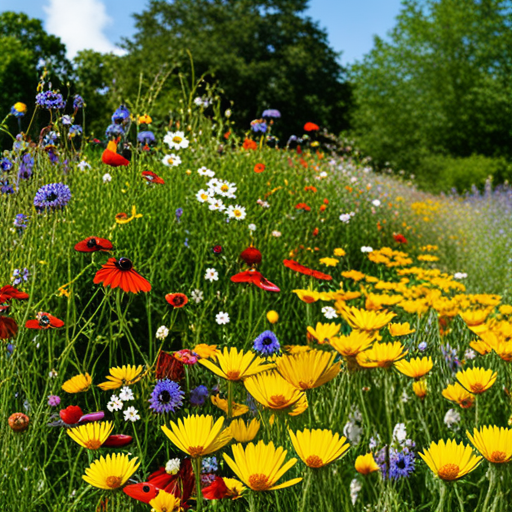
Informal gardens, with their relaxed and natural designs, provide a contrast to the structure of formal gardens. These gardens embrace nature, creating spaces that feel beautiful and inviting. Exploring informal gardens, each offer unique elements and stunning appeal. In this blog post, we will explore different types of informal gardens. Including cottage gardens, wildlife gardens, woodland gardens, meandering meadows, gardens with rocks and streams, and bright beds and borders.
Cottage Gardens
Cottage gardens evoke a sense of nostalgia and rustic charm. Featuring an abundance of flowers, herbs, and vegetables in a seemingly haphazard arrangement. These gardens trace their origins to rural England. Where villagers cultivated small plots filled with a mix of ornamental and edible plants. Today, cottage gardens burst with color and fragrance. Showcasing a diverse array of plants such as roses, hollyhocks, foxgloves, and lavender. Gardeners often incorporate climbing plants like clematis and honeysuckle, which scramble over fences and arbors, adding to the garden’s whimsical appeal. Paths meander through the lush vegetation, inviting exploration and creating a sense of intimacy and coziness.
Wildlife Gardens
Wildlife gardens celebrate biodiversity, providing habitats for a variety of birds, insects, and other creatures. Gardeners design these spaces with native plants that offer food and shelter for wildlife. Creating a vibrant ecosystem within the garden. Instead of manicured lawns, you will often find wildflower meadows, dense shrubs, and natural water sources such as ponds or birdbaths. Nesting boxes, insect hotels, and log piles enhance the garden’s appeal to wildlife, encouraging beneficial species to take up residence. By fostering a harmonious relationship between plants and animals, wildlife gardens contribute to the conservation of local ecosystems and offer a dynamic, ever-changing landscape.
Woodland Gardens
Woodland gardens draw inspiration from natural forests, featuring a canopy of trees and a diverse understory of shade-loving plants. These gardens create a serene and tranquil environment. With dappled sunlight filtering through the leaves and casting gentle shadows on the ground. Gardeners plant a variety of ferns, hostas, hellebores, and wildflowers that thrive in the cool, moist conditions of the woodland floor. Paths wind through the garden, often covered with mulch or leaf litter to mimic the forest floor. The interplay of light and shadow, combined with the rich tapestry of foliage and flowers, creates a peaceful retreat reminiscent of a natural woodland.
Meandering Meadows
Meandering meadows celebrate the beauty of open, grassy landscapes filled with wildflowers and native grasses. These gardens avoid traditional lawn maintenance in favor of a more natural approach. Allowing plants to grow freely and create a vibrant, ever-changing display. Gardeners choose a mix of perennial and annual flowers that bloom at different times, ensuring continuous color throughout the seasons. Paths meander through the meadows, inviting visitors to wander and enjoy the diverse plant life. Meadows provide a habitat for pollinators such as bees and butterflies. Thus enhancing the garden’s ecological value while making them beautifully stunning.
Gardens with Rocks and Streams
Gardens with rocks and streams incorporate natural water features and rocky landscapes to create a dynamic and soothing environment. These gardens draw inspiration from mountain streams and alpine meadows, featuring a mix of large stones, pebbles, and flowing water. Gardeners design streams or small waterfalls to add movement and sound, creating a peaceful atmosphere. Plants such as mosses, ferns, and water-loving perennials thrive in the moist conditions near the water features, adding texture and color to the rocky landscape. The combination of rocks, water, and plants creates a peaceful space that evokes the beauty of natural mountain scenery.
Bright Beds and Borders
Bright beds and borders offer a riot of color and texture, featuring a diverse mix of flowering plants arranged in an informal, free-flowing style. Gardeners plant a variety of annuals, perennials, and bulbs, creating a continuous display of blooms from spring to fall. The key to these gardens lies in the layering of plants, with taller species at the back and shorter ones at the front, creating a sense of depth and movement. Bright beds and borders often include a mix of textures, with spiky foliage, delicate blooms, and bold leaves providing visual interest. The vibrant colors and dynamic arrangements create a lively and joyful atmosphere, making these gardens a feast for the eyes.
Happy Gardening!
Exploring informal gardens, with their naturalistic designs and relaxed charm, offer a delightful alternative to the structured elegance of formal gardens. Whether you prefer the nostalgic appeal of cottage gardens, the ecological benefits of wildlife gardens, the tranquility of woodland gardens, the open beauty of meandering meadows, the dynamic elements of rocks and streams, or the vibrant colors of bright beds and borders, each type provides a unique way to connect with nature. By embracing the spontaneity and diversity of informal gardening, you can create a space that feels both welcoming and inspiring.
Please be sure to check out my Gardening Blog Post Page for more tips on all types of gardening. Including Seed Starting, Orchids, Water Gardening, Coldframe Gardening, Indoor Bulb Gardening, Hydroponics, Container Gardening, Mums, Herbs, African Violets, planting Bulbs, Flower Gardening, Vegetable and Fruit Gardening, Indoor Houseplants of all kinds, Cactus, Succulents, Hanging plants, Deer resistant plants and even Bird, Bee, Butterfly and Hummingbird Gardens!