
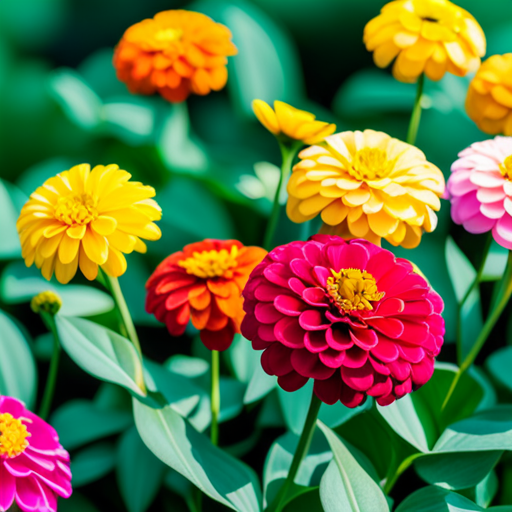
Companion planting is a tried-and-true gardening method that maximizes space, enhances plant health, and can even boost your vegetable yields. One of the best ways to achieve these benefits is by growing flowers alongside your vegetables. Not only do flowers add beauty to your garden, but they also attract beneficial insects, repel pests, and improve soil health. Here are ten flowers that make excellent companions for vegetables, along with tips on planting and caring for them.
1. Marigolds (Tagetes spp.)
Companion Vegetables: Tomatoes, peppers, beans, cucumbers, squash
Marigolds are renowned for their pest-repelling properties. They deter nematodes and many common garden pests. Plant marigolds around the perimeter of your vegetable garden or interspersed among your crops. They thrive in full sun and well-drained soil. Water regularly, but don’t overwater, as marigolds prefer slightly dry conditions.
2. Nasturtiums (Tropaeolum majus)
Companion Vegetables: Tomatoes, radishes, cucumbers, cabbage, kale
Nasturtiums attract aphids, which might otherwise infest your vegetables, and they also attract pollinators. They grow best in poor soil, so avoid fertilizing them. Plant nasturtium seeds directly in the garden after the last frost. Water them regularly, but let the soil dry out between watering.
3. Calendula (Calendula officinalis)
Companion Vegetables: Asparagus, carrots, tomatoes, peas
Calendula, or pot marigold, attracts beneficial insects like ladybugs and lacewings that prey on garden pests. Plant them in well-drained soil in a sunny spot. Deadhead spent flowers to encourage continuous blooming. Water calendula moderately, ensuring the soil doesn’t become waterlogged.
4. Borage (Borago officinalis)
Companion Vegetables: Tomatoes, strawberries, squash
Borage is a magnet for pollinators, especially bees. It also improves soil health by adding trace minerals. Sow borage seeds directly in the garden in early spring. Borage prefers full sun and well-drained soil. Water it regularly, especially during dry periods, but it can tolerate some drought once established.
5. Sunflowers (Helianthus annuus)
Companion Vegetables: Corn, beans, cucumbers
Sunflowers are excellent at attracting pollinators and providing a natural trellis for climbing plants like beans. Plant sunflower seeds directly in the ground after the last frost. They require full sun and well-drained soil. Water sunflowers deeply but infrequently, allowing the soil to dry out between watering sessions.
6. Zinnias (Zinnia elegans)
Companion Vegetables: Tomatoes, peppers, squash, beans
Zinnias attract a variety of beneficial insects, including bees and butterflies. They thrive in full sun and well-drained soil. Plant zinnia seeds directly in the garden after the last frost. Water them regularly, but avoid wetting the foliage to prevent disease. Deadhead spent flowers to encourage more blooms.
7. Sweet Alyssum (Lobularia maritima)
Companion Vegetables: Lettuce, carrots, strawberries
Sweet alyssum is a low-growing flower that attracts beneficial insects and acts as a living mulch, helping to retain soil moisture and suppress weeds. Plant alyssum seeds directly in the garden in early spring. They prefer full sun to partial shade and well-drained soil. Water them regularly, but avoid waterlogging.
8. Cosmos (Cosmos bipinnatus)
Companion Vegetables: Corn, tomatoes, squash
Cosmos attract pollinators and beneficial insects like parasitic wasps. They grow best in full sun and well-drained soil. Plant cosmos seeds directly in the garden after the last frost. Water them regularly during dry periods, but they are relatively drought-tolerant once established. Deadhead spent flowers to promote more blooms.
9. Lavender (Lavandula spp.)
Companion Vegetables: Tomatoes, cabbages, roses
Lavender repels pests like moths, fleas, and whiteflies. It also attracts pollinators. Plant lavender in full sun and well-drained soil. Water it sparingly, as lavender prefers dry conditions. Prune lavender regularly to maintain its shape and promote new growth.
10. Yarrow (Achillea millefolium)
Companion Vegetables: Tomatoes, peppers, brassicas
Yarrow attracts beneficial insects like ladybugs and predatory wasps. It also improves soil health by adding nutrients. Plant yarrow in full sun and well-drained soil. Water it regularly, especially during the first growing season. Once established, yarrow is drought-tolerant and requires minimal care.
Planting and Care Tips
1. Soil Preparation: Most flowers prefer well-drained soil rich in organic matter. Before planting, work compost or aged manure into the soil to improve fertility and drainage.
2. Planting: Direct seeding is often the best method for many flowers. Follow the specific planting depth and spacing recommendations for each type of flower. Transplants can also be used for some flowers, such as marigolds and zinnias.
3. Watering: Consistent watering is crucial, especially during dry periods. However, avoid overwatering, as many flowers prefer slightly dry conditions.
4. Mulching: Use organic mulch around your flowers to retain soil moisture, suppress weeds, and improve soil health.
5. Pruning and Deadheading: Regularly remove spent flowers to encourage continuous blooming. Some flowers, like lavender and yarrow, benefit from regular pruning to maintain their shape and vigor.
6. Pest and Disease Management: Monitor your garden regularly for pests and diseases. Beneficial insects attracted by companion flowers will help keep pest populations in check. If needed, use organic pest control methods like neem oil or insecticidal soap.
Happy Gardening!
By incorporating these flowers into your vegetable garden, you’ll create a vibrant and healthy ecosystem that benefits both your plants and the environment.
Please be sure to check out my Gardening Blog Post Page for more tips on all types of gardening. Including Seed Starting, Orchids, Water Gardening, Coldframe Gardening, Indoor Bulb Gardening, Hydroponics, Container Gardening, Mums, Herbs, African Violets, planting Bulbs, Flower Gardening, Vegetable and Fruit Gardening, Indoor Houseplants of all kinds, Cactus, Succulents, Hanging plants, Deer resistant plants and even Bird, Bee, Butterfly and Hummingbird Gardens!