
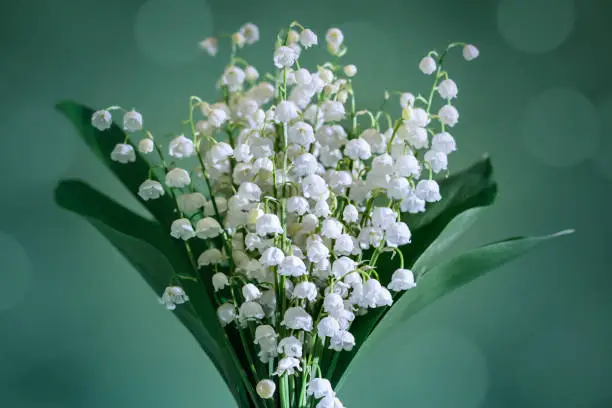
Lily of the Valley (Convallaria majalis) is a beloved perennial known for its charming bell-shaped flowers and enchanting fragrance. While it is often grown in garden beds, it can also thrive in pots, making it a perfect addition to patios, balconies, and small gardens. This post will cover everything you need to know about growing Lily of the Valley in pots, including the best type and size of pots, soil type, light requirements, watering, fertilizing, overwintering, and the best zones for potted growth.
Best Type and Size of Pots
Choosing the right pot is crucial for successfully growing Lily of the Valley in containers.
- Material: Opt for pots made of terracotta, ceramic, or plastic. Terracotta pots are porous and allow for better airflow, which can help prevent root rot. However, they may dry out faster than plastic pots.
- Size: Lily of the Valley has a shallow root system, so a pot that is 6-8 inches deep is sufficient. Ensure the pot has a diameter of at least 10-12 inches to provide enough room for the plant to spread.
- Drainage: Good drainage is essential to prevent waterlogged soil. Choose pots with drainage holes and place a layer of gravel or small stones at the bottom to enhance drainage.
Soil Type
Lily of the Valley prefers rich, well-draining soil. For potted plants, a high-quality potting mix with the following characteristics works best:
- Composition: Use a potting mix that contains peat moss, perlite, and compost. This combination provides the necessary nutrients and ensures good drainage.
- pH Level: The soil should be slightly acidic to neutral, with a pH between 6.0 and 7.0. You can test the soil and adjust the pH if necessary by adding lime to raise it or sulfur to lower it.
Light Requirements
Lily of the Valley thrives in partial to full shade, making it ideal for shaded balconies and patios. Here’s how to manage light:
- Location: Place the pots in a spot that receives morning sun and afternoon shade. If grown indoors, ensure the plant is near a north or east-facing window.
- Protection from Direct Sun: In hot climates, protect the plant from direct midday sun to prevent leaf scorch.
Watering
Proper watering is key to growing healthy Lily of the Valley in pots.
- Consistent Moisture: Keep the soil consistently moist but not waterlogged. Water thoroughly when the top inch of soil feels dry.
- Avoid Overwatering: Ensure the pot has good drainage to prevent water from sitting at the bottom, which can lead to root rot.
- Mulching: Apply a thin layer of organic mulch on top of the soil to retain moisture and reduce watering frequency.
Fertilizing
Fertilizing helps promote healthy growth and abundant blooms. Here’s how to fertilize potted Lily of the Valley:
- Type of Fertilizer: Use a balanced, slow-release fertilizer or a liquid fertilizer diluted to half strength.
- Application: Fertilize in early spring when new growth appears. Follow the manufacturer’s instructions for the correct dosage and frequency.
Overwintering
Lily of the Valley is hardy and can withstand cold temperatures, but potted plants need extra care to survive the winter:
- Insulate the Pots: In regions with freezing temperatures, wrap the pots with bubble wrap or burlap to insulate the roots.
- Move Indoors: If possible, move the pots to a sheltered location such as an unheated garage or basement.
- Reduce Watering: Water sparingly during the winter months, keeping the soil just barely moist to prevent the roots from drying out completely.
Best Zones for Growing in Pots
Lily of the Valley can be grown in pots in USDA hardiness zones 3 to 9. However, potted plants may need additional protection in extreme climates:
- Cooler Zones (3-5): Provide extra insulation or move pots to a sheltered location during the winter.
- Warmer Zones (8-9): Ensure the plants are shaded from intense afternoon sun and keep the soil consistently moist.
Happy Gardening!
Growing Lily of the Valley in pots is a delightful way to enjoy this fragrant and beautiful plant, even in small spaces. By choosing the right pot, providing well-draining soil, ensuring proper light and water, and giving the necessary care for overwintering, you can successfully cultivate Lily of the Valley in containers. Enjoy the charming blooms and sweet fragrance that this lovely plant brings to your home and garden.
Please be sure to check out my Gardening Blog Post Page for more tips on all types of gardening. Including Seed Starting, Orchids, Water Gardening, Coldframe Gardening, Indoor Bulb Gardening, Hydroponics, Container Gardening, Mums, Herbs, African Violets, planting Bulbs, Flower Gardening, Vegetable and Fruit Gardening, Indoor Houseplants of all kinds, Cactus, Succulents, Hanging plants, Deer resistant plants and even Bird, Bee, Butterfly and Hummingbird Gardens!