
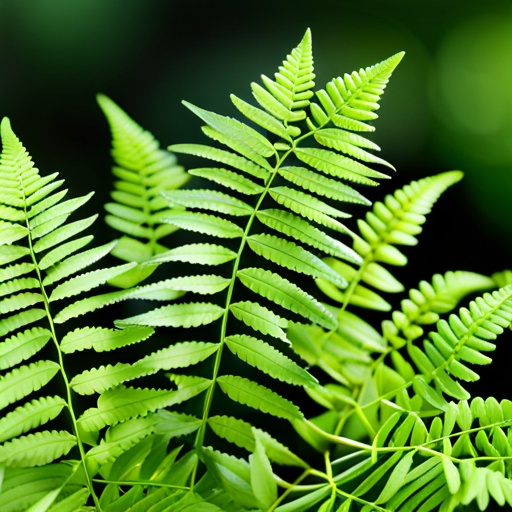
If you’re a gardener looking to add these beautiful ferns to your garden, you’ve come to the right place. In this post, we will take you through the steps of how to care for ferns outdoors. From understanding their preferences like light, soil, water and fertilizer and even how to protect them in the winter. Before you can start tending to your ferns, it’s essential to grasp the fundamentals of these plants. Unlike most common garden plants that flower and reproduce through seeds, ferns are non-flowering and reproduce through spores.
Types of Ferns Perfect for a Shade Garden
Ferns are versatile plants that thrive in shady areas where other plants may struggle. If you’re looking to enhance your shade garden with lush greenery, consider incorporating some of these fern varieties that are well-suited for shaded conditions:
- Japanese Painted Fern (Athyrium niponicum ‘Pictum’): This striking fern features silver, green, and purple hues, adding a splash of color to the shade garden. It’s compact and ideal for smaller spaces.
- Lady Fern (Athyrium filix-femina): Appreciated for its delicate fronds and hardy nature, Lady Fern adapts well to a variety of soil types and shade levels, making it a versatile choice for gardeners.
- Christmas Fern (Polystichum acrostichoides): Named for its fronds that remain green through the winter, the Christmas Fern is a perennial favorite. It’s robust and can also handle some dry conditions.
- Maidenhair Fern (Adiantum): With its unique fan-shaped and wire-like fronds, the Maidenhair Fern adds a touch of elegance to any shade garden. It prefers moist, well-draining soils.
Incorporating these ferns into your garden not only adds beauty and variety but also ensures a vibrant green space even in the shadiest corners.
Light Requirements for Ferns
When it comes to light, ferns generally prefer indirect or shaded areas, which replicate their natural habitat on the forest floor. Direct sunlight can often lead to scorched leaves and a reduced lifespan for these delicate plants. It’s crucial to place ferns in an area where they can receive filtered sunlight or in a location that only gets direct sun during the cooler parts of the day, such as early morning. An ideal scenario might involve situating them under taller plants or trees that can provide the necessary shade. Ferns like the Japanese Painted Fern and Maidenhair Fern are particularly sensitive to light changes and require consistent shade to thrive and maintain their vibrant colors.
Soil Preparation for Ferns
To ensure your ferns flourish, paying attention to soil preparation is key. Ferns prefer a rich, well-draining soil that’s slightly acidic to neutral in pH. Before planting, it’s advisable to enrich the garden soil with organic matter such as compost or well-rotted leaf mold. This will not only improve soil structure, allowing for better root growth and water drainage but also provide the essential nutrients ferns need to thrive. If your soil is particularly clayey or sandy, incorporating generous amounts of organic matter can help achieve the desired texture and fertility. For fern varieties such as the Maidenhair Fern, which thrives in moist conditions, ensuring the soil retains some moisture without becoming waterlogged is critical. A mulch layer can aid in moisture retention and temperature regulation, providing an optimized growing environment for your outdoor ferns.
Planting Your Ferns
When planting your ferns, timing and technique play a crucial role in ensuring their growth and longevity. Spring and early summer are the best times to plant ferns, as the cooler temperatures and increased rainfall can help the plants establish themselves before the heat of summer sets in. Begin by selecting an appropriate spot based on the light and soil requirements discussed earlier. Dig a hole twice as wide and just as deep as the fern’s root ball. Gently remove the fern from its container and loosen the roots if they are tightly bound. Place the fern in the hole so that the top of the root ball is level with the soil surface, and backfill with the enriched garden soil. Firm the soil around the plant and water thoroughly.
Remember, while ferns appreciate moisture, they do not fare well in standing water, so good drainage is essential. After planting, applying a layer of mulch can help retain soil moisture and control temperature fluctuations, creating an ideal environment for your ferns to thrive.
Water and Fertilizer Needs
Ferns, while somewhat tolerant of dry conditions, flourish best when kept in consistently moist soil. It’s important to establish a regular watering schedule, especially during the warmer months, to ensure the soil doesn’t dry out completely. However, overwatering can be just as detrimental as under-watering, as it can lead to root rot and other fungal diseases. A good rule of thumb is to water when the top inch of soil feels dry to the touch.
In terms of fertilization, ferns have modest nutritional needs. Applying a balanced, slow-release fertilizer at the beginning of the growing season can provide them with the necessary nutrients to support their growth. Additionally, foliar feeding with a diluted liquid fertilizer every 4-6 weeks during the growing season can promote lush, healthy fronds. Be cautious not to over-fertilize, as this can burn the delicate fronds and even stunt the plant’s growth. Instead, aim for a gentle approach, providing just enough to support but not overwhelm, ensuring your ferns stay vibrant and healthy throughout the year.
How and When to Divide Ferns
Dividing ferns is an excellent way to rejuvenate older plants that have become too large or crowded, and to propagate new plants for other areas of your garden or to share with fellow garden enthusiasts. The best time to divide ferns is in the early spring, just as new growth begins but before the fronds have fully unfurled. This timing allows the divided plants to establish themselves during the favorable growing conditions of spring and early summer.
To divide your ferns, start by carefully digging up the entire plant, taking care not to damage the root ball. Using a sharp knife or spade, split the root ball into smaller sections, ensuring each division has several healthy roots and at least one or two emerging fronds. If the center of the plant appears dead or woody, discard it and only keep the vigorous, outer sections.
After division, replant your ferns immediately, following the planting guidelines previously discussed including selecting an appropriately shaded spot, preparing the soil with organic matter, and ensuring proper watering. Dividing your ferns not only helps manage their size and health but also allows the beauty of ferns to be spread throughout your garden or given as gifts to friends and family. Remember to keep the newly planted divisions well-watered and shaded until they are established, ensuring the smooth transition and continuing growth of these elegant, shade-loving plants.
Overwintering Ferns
Successfully overwintering your ferns is crucial for ensuring they thrive year after year, especially in regions where temperatures dip below freezing. The process begins with gradually acclimating outdoor ferns to lower light conditions by moving them to a shaded area several weeks before the first frost. If ferns are potted, consider bringing them indoors to a cool, well-lit room, ensuring they’re not exposed to direct heat sources that can dry them out. For garden ferns that cannot be moved, applying a thick layer of mulch around their base can help insulate the roots against harsh temperatures.
Additionally, it’s important to reduce watering during the winter months, keeping the soil barely moist to prevent the roots from rotting. However, do not allow the soil to completely dry out as this can be just as detrimental. By following these steps, your ferns can emerge healthy and vibrant with the return of spring, ready to add lushness and beauty to your garden once more.
Happy Gardening!
Cultivating ferns in your garden can be a deeply rewarding experience. Their lush foliage and unique growth habits add a touch of the wild to any landscape, while their relative ease of care makes them accessible to gardeners of all levels. By providing the right conditions and maintaining a watchful eye, you can create a haven for these incredible plants to thrive. Remember, each fern is an individual, so observation and adjustment are key to learning their specific needs.
Please be sure to check out my Gardening Blog Post Page for more tips on all types of gardening. Including Seed Starting, Orchids, Water Gardening, Coldframe Gardening, Indoor Bulb Gardening, Hydroponics, Container Gardening, Mums, Herbs, African Violets, planting Bulbs, Flower Gardening, Vegetable and Fruit Gardening, Indoor Houseplants of all kinds, Cactus, Succulents, Hanging plants, Deer resistant plants and even Bird, Bee, Butterfly and Hummingbird Gardens!