
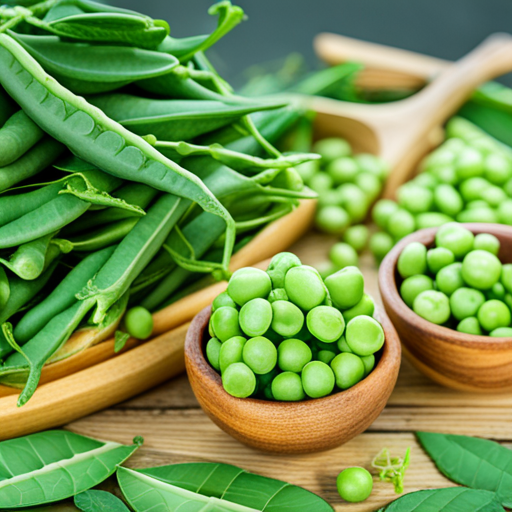
Growing peas in pots is an excellent way for gardeners with limited space to enjoy fresh, home-grown produce. Peas thrive in cooler temperatures, making them perfect for early spring or late fall planting. This method not only maximizes limited space but also allows for control over soil quality, reduces the risk of soil-borne diseases, and makes harvesting a breeze. In this post we will walk through how to grow peas in pots, from the containers to soil, light water and finally harvesting your peas.
Light Requirements
For optimal growth, peas require at least 6 to 8 hours of direct sunlight daily. When growing peas in pots, positioning them in a spot that receives ample sunlight throughout the day is essential. If you live in an area with relatively high temperatures, providing some afternoon shade can protect the plants from overheating, especially in the later stages of growth. Rotating the pots occasionally ensures that all sides of the plant receive equal exposure to sunlight, promoting uniform growth and development.
Choosing the Right Containers
Selecting the appropriate containers is a vital step in the process of growing peas in pots. Peas have a relatively deep root system, so it’s crucial to choose pots that are at least 10 to 12 inches deep. This depth provides enough space for the roots to grow and prevents them from becoming cramped or confined. Additionally, ensure the pots have adequate drainage holes to avoid waterlogging, which peas do not tolerate well. Using lightweight containers such as those made from plastic or fabric can also be beneficial, as they make it easier to move the pots to optimize sunlight exposure. Given peas’ propensity to climb, consider pots that can accommodate trellises or climbing supports to encourage vertical growth.
Preparing the Soil
For peas to flourish in pots, the soil plays a crucial role. Begin with a high-quality potting mix that is loose and well-draining, ensuring that the roots can spread out and access oxygen effectively. Peas prefer slightly alkaline to neutral soil, so aiming for a pH level between 6.0 and 7.0 is ideal. Before planting, enrich the soil with compost or a balanced, slow-release fertilizer to provide the essential nutrients that peas need for growth. Additionally, avoid soil that is too rich in nitrogen as peas are legumes that fix their own nitrogen, and excess nitrogen can lead to more foliage at the expense of pod production. Ensuring the soil is moist but not waterlogged is key, as peas need consistent moisture to germinate and develop successfully.
Planting Your Peas
Once you have your pots, soil, and location ready, it’s time to plant your peas. Start by soaking the pea seeds in water for 12 to 24 hours before planting; this helps to soften the seed coat and speeds up germination. Fill your chosen pots with the prepared soil up to an inch below the rim. Plant the seeds approximately 1 to 2 inches deep and space them about 2 inches apart. If you are using climbing varieties, place a trellis or support in the pot at this time to give the plants something to grow on as they develop.
After planting, water the soil gently but thoroughly to settle the seeds into place. Continue to keep the soil moist, but be careful not to overwater, as peas do not like to sit in soggy soil. With the right care, you should see sprouts in as little as 7 to 10 days, signaling the start of your pea-growing journey.
Providing Support for Pea Plants
Pea plants, especially climbing varieties, need support to grow upwards and produce optimally. A trellis or a bamboo pole tripod can serve as excellent support structures. To create a bamboo pole tripod, simply gather three long bamboo poles and tie them together at the top, spreading the bottom ends evenly to form a stable base. Insert the tripod into the pot at the time of planting or shortly after, ensuring it’s deeply rooted in the soil to withstand the weight of the growing plants. This not only supports the peas as they climb but also improves air circulation and sunlight exposure, which are critical for healthy growth and development. Secure the pea vines to the support loosely with plant ties or soft string as they grow to encourage vertical growth and ease of harvesting.
Water and Organic Fertilizer
Keeping your pea plants adequately hydrated is crucial for their growth and development. Peas prefer consistent soil moisture, especially during flowering and pod formation stages. Water the plants deeply when the top inch of the soil feels dry to the touch, usually once or twice a week, depending on the weather conditions. Over-watering should be avoided, as peas do not fare well in waterlogged soil. Using a watering can with a rose attachment or a gentle setting on a garden hose can help distribute the water evenly without disturbing the soil or damaging young plants.
In terms of nutrition, peas are light feeders and do not require a lot of additional fertilizer if planted in well-prepared soil. However, an application of organic fertilizer can be beneficial, especially if the soil quality is less than ideal. Opt for a low-nitrogen, organic fertilizer or a compost tea, and apply it sparingly according to the product’s instructions. It’s important to avoid high-nitrogen fertilizers, as they can promote foliage growth at the expense of pod production. An early application when the plants are 3-4 inches tall followed by a second round just before the flowering begins can encourage healthier growth and a more abundant harvest.
Harvesting
Harvesting peas at the right time is crucial for enjoying the best flavor and texture. Peas are usually ready to pick when the pods have swollen, indicating the seeds inside are fully developed. For most varieties, this occurs about 60 to 70 days after planting. Gently squeeze a pod to test its readiness; if it feels full and the outline of the peas can be seen or felt, it’s time to harvest. It’s important to pick peas regularly once they start to mature, as leaving them on the plant too long can result in tough and starchy peas.
Harvest early in the morning when the temperatures are cooler, as this is when the peas are crispest and most flavorful. Use two hands during harvesting—one to hold the vine and the other to pick the pod—to prevent damaging the plant. Regular harvesting also encourages the plant to produce more pods, extending the harvest period.
Troubleshooting
While growing peas in pots can be a rewarding experience, gardeners often face some common challenges. If your pea plants are flowering but not producing pods, this may be due to high temperatures or insufficient bee activity for pollination. Consider using a small paintbrush to gently transfer pollen from flower to flower to encourage fruit set. In cases of yellowing leaves, the cause could often be over-watering or poor drainage, stressing the importance of a well-draining soil mixture and careful watering practices.
Peas are also susceptible to pests like aphids and powdery mildew. For aphid infestations, a strong spray of water or applications of neem oil can be effective. Powdery mildew, a white, powdery fungus that appears on leaves, can be mitigated by ensuring good air circulation around the plants and avoiding overhead watering. Keeping an eye out for these issues and addressing them promptly can help ensure a healthy and productive pea crop.
Happy Gardening!
In conclusion, growing peas in pots is a delightful experience that brings the joy of gardening into any space, large or small. With proper soil preparation, sufficient watering, and adequate support, peas can thrive and produce a bountiful harvest. Remember to harvest at the right time and address any potential issues promptly for the healthiest plants. Whether you’re a seasoned gardener or a beginner, the simplicity and rewards of growing peas make it an excellent choice for your gardening endeavors.
Please be sure to check out my Gardening Blog Post Page for more tips on all types of gardening. Including Seed Starting, Orchids, Water Gardening, Coldframe Gardening, Indoor Bulb Gardening, Hydroponics, Container Gardening, Mums, Herbs, African Violets, planting Bulbs, Flower Gardening, Vegetable and Fruit Gardening, Indoor Houseplants of all kinds, Cactus, Succulents, Hanging plants, Deer resistant plants and even Bird, Bee, Butterfly and Hummingbird Gardens!