
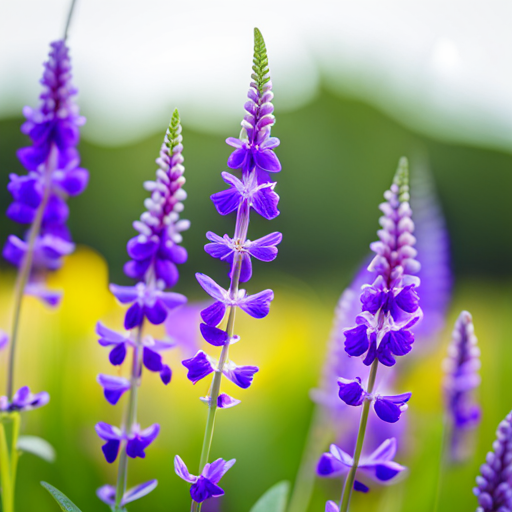
Envision a garden blooming with vibrant colors, inviting the gentle hum of bees and the sweet scent of midsummer. This idyllic scene often features the hardy, graceful beauty of salvia. As a genus in the mint family, Salvia offers an array of species and cultivars ranging from annuals to perennial herbs, woody shrubs, and even bold bedding plants, valued not only for their aesthetic appeal but for their resilience and versatility in the garden. In this post, we’ll take you through the essentials of growing and caring for this beautiful plant, unlocking the secrets to a thriving salvia garden.
Selecting the Perfect Salvia Varieties for Your Garden
The selection of Salvia varieties presents a delightful but sometimes daunting challenge. Here, we help you narrow down which types might best suit your garden’s needs.
Popular Salvia Choices
Common Sage (Salvia Officinalis): The delicately curled leaves and soft blue blossoms of common sage aren’t just a treat for the eyes – they’re a savory staple in the kitchen.
Woodland Sage (Salvia Nemrosa): A clump-forming perennial with sturdy spires of flowers, this species is favored for its long-lasting blooms and reliability.
Mexican Bush Sage (Salvia Leucantha): Its fuzzy purple or white inflorescences add texture and interest to a border, while also being a favorite of hummingbirds and pollinators.
Scarlet Sage (Salvia Splendens):The striking red spires of Scarlet Sage make it an eye-catching addition to any garden, offering vivid color and a touch of the tropics.
Autumn Sage (Salvia Greggii): It blossoms in a spectrum of colors from deep reds to pinks and purples and can flower from early summer well into fall.
White Sage (Salvia Ariana): Known for its strong aromatic leaves often used in smudging rituals, White Sage also shines with its attractive white flower spikes.
Salvia Light Requirements
Providing the right amount of sunlight is critical to the success of any salvia cultivar. Most salvia species thrive in full sun, which means at least 6 to 8 hours of direct sunlight each day. This exposure is particularly important for prolific blooming and ensuring the vibrant hues of the flowers are expressed fully. Some varieties, however, can tolerate partial shade, especially in regions with very hot summers. In such cases, afternoon shade can prevent scorching and help to keep the plants healthy and vibrant. It’s important to research the specific needs of your chosen Salvia variety to optimize its light exposure for a glorious display.
Preparing the Soil for Salvia
Success with Salvia starts well beneath the surface, with soil preparation being a critical step. These plants prefer well-draining soil, as waterlogged roots can lead to fungal diseases and rot. Amending the garden bed with organic matter like compost can improve drainage and provide a rich nutrient base. For clay soils, incorporate coarse sand or fine gravel to enhance permeability. A neutral to slightly acidic pH, ranging from 6.0 to 7.0, is optimal for most salvia varieties, so consider testing your soil’s pH and adjusting it accordingly. Regular mulching helps to retain moisture consistently, suppress weeds, and keep root systems cool.
Growing Salvia from Seed
Starting salvia from seed is a rewarding experience and can be done either indoors or outdoors depending on the climate and the grower’s preferences. Starting indoors allows you to control the environment and gives your plants a head start before transferring them outside after the last frost. Sow the seeds in a light seed-starting mix, barely covering them as they need light to germinate, and keep them moist and warm at about 70 degrees Fahrenheit.
Germination typically occurs within 3 weeks. If direct sowing outdoors, wait until the danger of frost has passed and sow them in well-prepared beds with the same considerations for light and moisture. Thin the seedlings once they develop a set of true leaves to ensure they have room to grow robustly. Whether you start your salvia indoors or outdoors, patience and attention to their early care will result in a flourish of growth once planted or transplanted into your garden.
Planting Nursery-Grown Salvia Plants
If you decide to begin your Salvia garden with nursery-grown plants, the process can be simpler and offer more immediate gratification. When selecting plants, look for healthy, well-developed specimens without any signs of disease or pests. The best time for planting Salvia is in the spring after the threat of frost has passed, which allows plants time to establish themselves during the growing season.
Proper spacing of Salvia plants is paramount to ensure they have enough room for air circulation and growth. The distance between plants will vary depending on the species and cultivar; however, a general guideline is to plant them as far apart as their mature width. For most varieties, this means spacing them anywhere from 18 to 24 inches apart. Smaller species like Salvia greggii might be placed closer together, while larger varieties such as Salvia leucantha require more space. Careful attention to spacing not only allows individual plants to flourish and reach their full potential but also helps prevent the spread of pests and diseases. Always refer to the specific planting instructions that come with your chosen Salvia variety for the best results.
Continue to monitor your new Salvia plants closely for the first few weeks, watering them as needed to maintain moist but not waterlogged soil. As they grow, they will become more drought-tolerant and require less frequent watering, especially if you have selected varieties suited to your local climate and soil conditions.
Watering and Fertilizing Your Salvia
Proper watering is essential for Salvia to thrive. They are relatively drought-tolerant once established, but during the initial growth phase and in the absence of regular rainfall, they require consistent moisture. Aim to water deeply but infrequently to encourage strong root development, providing about an inch of water per week. Avoid overhead watering to minimize the risk of leaf diseases and focus on the base of the plants.
When it comes to fertilization, Salvia benefits from a light application of a balanced, slow-release fertilizer in the spring. Over-fertilizing can lead to excessive leaf growth at the expense of flowers, so moderation is key. Additionally, a midsummer application can help promote continuous blooming throughout the season. Always follow the instructions on the fertilizer package for the correct dosage and application. Organic fertilizers like fish emulsion or compost tea are also beneficial and can enhance the overall soil health which in turn supports your Salvia plants.
Managing Pests in the Salvia Garden
A healthy Salvia garden can occasionally be challenged by pests such as aphids, spider mites, and whiteflies. Early detection and intervention are crucial to managing these unwanted visitors. One organic method of control is the use of neem oil, a natural pesticide that disrupts the life cycle of pests without harming beneficial insects. Regular inspections of your Salvia plants, along with a sharp stream of water, can dislodge and reduce the population of many soft-bodied pests.
Additionally, encouraging beneficial predators like ladybugs, lacewings, and praying mantises into your garden can naturally keep pest populations in check. These beneficial insects can be attracted by planting a diverse range of flora or, if necessary, purchased and released into the garden. Remember to avoid using broad-spectrum chemical pesticides, as these can harm these beneficial insects along with the pests. Organic solutions not only maintain the ecological balance in your garden but also ensure that your salvias remain healthy and beautiful without the use of harmful chemicals.
Benefits of Salvia in Your Garden
In addition to the vibrant splashes of color that salvia brings to the garden, this versatile genus offers a wealth of benefits to the ecosystem. Salvias are known for their ability to attract a variety of pollinators, including bees, butterflies, and hummingbirds, which play a crucial role in the health of any garden. The rich nectar of salvia flowers is especially enticing for these important garden visitors, promoting pollination and thereby supporting the overall growth and fertility of your plant life.
Moreover, many salvia species are drought-resistant, making them an excellent choice for water-wise gardening in arid or drought-prone regions. Their resilience translates into lower maintenance requirements, saving time and resources for gardeners. Salvias’ ability to thrive in various soil types also contributes to their appeal, as they require less amendment and preparation compared to other more demanding garden inhabitants.
With an array of forms from low-growing ground covers to tall, stately spikes, salvias can serve multiple purposes within garden design. They provide structure, height, and even a natural border in landscape planning, making them as practical as they are beautiful. Salvia’s aromatic foliage further adds to the sensory experience of a garden while often being resistant to deer and rabbit browsing, thus serving as a natural deterrent for these common garden pests.
Happy Gardening!
In summarizing the journey of growing Salvia in your garden, it’s clear that with proper selection, planting, care, and pest management, these vibrant plants can bring an abundance of beauty and ecological benefits to your outdoor space. Salvias are not only a visually stunning addition, full of rich color and varied forms. But they are also champions of sustainability and biodiversity. As you nurture your Salvias, you will enhance the vibrancy and health of your garden while also supporting the critical work of pollinators.
Please be sure to check out my Gardening Blog Post Page for more tips on all types of gardening. Including Seed Starting, Orchids, Water Gardening, Coldframe Gardening, Indoor Bulb Gardening, Hydroponics, Container Gardening, Mums, Herbs, African Violets, planting Bulbs, Flower Gardening, Vegetable and Fruit Gardening, Indoor Houseplants of all kinds, Cactus, Succulents, Hanging plants, Deer resistant plants and even Bird, Bee, Butterfly and Hummingbird Gardens!