
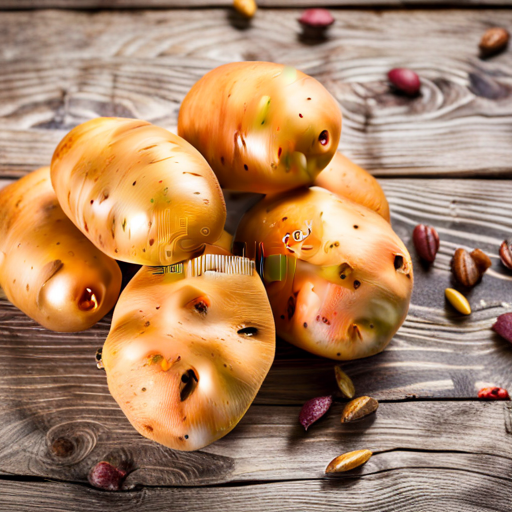
There’s something inherently satisfying about growing plants from scratch, but few things are as delightful as the humble potato. Whether you’re a seasoned gardener or just starting out, cultivating your own potato plants can be a fun and rewarding experience. In this post, you’ll learn how to grow a potato plant from a potato. You’ll discover how to select the right potato, understanding planting conditions, and nurturing your plant through every stage of its growth.
Different Types of Potatoes You Can Grow
When it comes to growing potatoes, variety is the spice of life. Each type brings its own unique set of flavors, textures, and growth requirements. Here are a few varieties you might consider:
- Russet Potatoes: These are the classic potatoes that most people think of. They’re perfect for baking, making French fries, and mash due to their fluffy texture.
- Red Potatoes: Known for their smooth, red skin and firm texture, red potatoes are excellent for boiling and adding to salads.
- Yukon Gold Potatoes: These potatoes have a buttery, rich flavor and a slightly waxy texture. They’re versatile, great for roasting, mashing, or using in soups.
- Purple Potatoes: Not only do they add a pop of color to your dish, but purple potatoes also offer a dense texture and earthy flavor, perfect for baking and grilling.
- Fingerling Potatoes: Small, narrow, and a bit whimsical in shape, fingerlings are known for their firm, waxy texture and are great in salads or simply roasted with herbs.
Choosing the right potato variety depends on how you plan to use them and the growing conditions in your garden. Each variety has its own charm, so don’t hesitate to experiment with different types to find your favorites.
Choosing the Right Potato
The secret to a successful potato plant begins with choosing the right seed potato. Seed potatoes are not just any potatoes but specifically chosen for their health and high quality to ensure optimal growth of new potato plants. These are not the grocery store potatoes, which are often treated to prevent sprouting. Farmers’ markets, garden centers, or specialized online retailers are the best sources for seed potatoes.
To prepare your seed potato for planting, start by ensuring it has “eyes” or buds—these are where your plant will sprout. If you have a large seed potato, you can cut it into smaller pieces, each with at least one or two eyes. After cutting, it’s crucial to allow the pieces to dry for 1-2 days to form a callus over the cuts, which helps prevent the potato piece from rotting once planted. This simple preparation method sets the stage for the next phase of growth, promising a healthy start for your potato plant.
Using a Potato That Has Sprouted in You Pantry
Yes, you can grow potatoes from a sprouting potato in your kitchen or pantry. In fact, a potato that has begun to sprout has already started the process of growth, making it a prime candidate for planting. These sprouts, often referred to as “eyes,” are where the new potato plants will begin to emerge once planted. However, it’s important to ensure that the potato isn’t too far gone—soft, shriveled, or rotting potatoes should be avoided.
If your sprouting potato is still firm and healthy looking, simply cut it into pieces, making sure each piece has at least one or two eyes. Allow these pieces to dry out for a day or two to form a protective callus over the cuts, which helps prevent rotting. Then, they’re ready to plant. This is a fantastic way to recycle potatoes that you haven’t used in time and turn them into a vibrant new plant in your garden.
Preparing the Soil
A thriving potato plant begins with well-prepared soil. Potatoes prefer loose, well-draining soil with a slightly acidic pH, somewhere between 5.0 and 7.0. Start by choosing a sunny spot in your garden since potatoes need plenty of light to grow. Use a garden fork or a tiller to loosen the soil to a depth of about 12 inches, and then mix in a generous amount of compost or well-rotted manure. This will not only improve the soil structure but also add essential nutrients that potatoes need to grow. If your soil is heavy and clayey, consider adding some sand to improve drainage. Proper soil preparation ensures that your potato plants have the best possible foundation for healthy growth and development.
Planting Your Potato in the Ground or in a Grow Bag
Once your soil is prepared, or if you’re using a grow bag, it’s time to plant your potato pieces. For ground planting, dig trenches about 6 inches deep and space them at least 12 inches apart to allow room for growth. Place a potato piece with the eyes facing upwards in each trench, and cover it with 3-4 inches of soil. As your potato plants begin to grow and the green shoots emerge, continue to add soil around the stems, leaving just a few inches of the plant exposed. This process, known as “hilling,” helps protect the developing potatoes from sunlight exposure, which can turn them green and toxic.
If you’re opting for a grow bag or container, ensure it’s at least 12 inches deep and has adequate drainage holes. Fill it with a mix of potting soil and compost, then plant your potato pieces about 3 inches deep, with the eyes facing up. Grow bags are excellent for small spaces and can even be a fun project on a balcony or patio. Whether you choose to plant in the ground or in a grow bag, watering is crucial. Keep the soil evenly moist, especially during the period when plants are flowering and starting to form potatoes. However, avoid overwatering, as this can lead to root rot and other diseases.
Water and Fertilizer Guidelines
Watering your potato plants correctly is crucial for healthy growth. Potatoes need a consistent supply of moisture, particularly once the tubers start to form. Aim for about 1 to 2 inches of water per week, through rainfall and supplemental watering if necessary. However, be cautious not to overwater, as potatoes are susceptible to rot, especially in poorly drained soils.
When it comes to fertilization, less is often more. Over-fertilizing, especially with nitrogen-rich fertilizers, can lead to lush foliage at the expense of tuber development. Before planting, incorporating a balanced 10-10-10 fertilizer into the soil can provide a good starting point. As the plants grow, consider using a low-nitrogen, high-phosphorus fertilizer to encourage more tuber growth rather than foliage. Always follow the manufacturer’s application rates and guidelines to avoid over-fertilization.
Monitoring your plants for signs of nutrient deficiency or excess can help you adjust your care routine for optimal potato growth. By maintaining the right balance of watering and fertilization, you’ll create the ideal environment for your potatoes to thrive, leading to a bountiful harvest.
Managing Pest and Disease
Keeping your potato plants healthy involves vigilant management of pests and diseases, which can severely impact your harvest if left unchecked. Common pests such as the Colorado potato beetle, aphids, and potato tuber moth can be controlled through regular inspection and prompt removal by hand or the use of organic pesticides. Introducing beneficial insects like ladybugs can naturally reduce aphid populations.
Diseases such as late blight, which caused the Irish Potato Famine, and early blight can devastate potato crops. These diseases often present as dark spots on leaves and can lead to complete crop failure. Implementing preventative measures such as crop rotation, using certified disease-free seed potatoes, and ensuring good air circulation around plants can significantly reduce the risk of disease. At the first sign of infection, remove and destroy affected plants to prevent the spread. Fungicides may be applied as a preventive measure, but always opt for organic options when available to minimize environmental impact. Organic options include copper-based fungicides and neem oil.
When and How to Harvest
Harvesting your potatoes at the right time is crucial for getting the best yield and quality. Generally, potatoes can be harvested in two stages: new potatoes and mature potatoes. New potatoes are harvested before they are fully grown, usually a few weeks after the plants have finished flowering. These are smaller but particularly tender and flavorful. To harvest, carefully dig around the plants with a fork or your hands, being careful not to damage the tubers.
For mature potatoes, wait until the foliage starts to yellow and die back, which indicates the potatoes have reached full size and the skins have thickened. Cut the foliage to the ground and wait for 10 to 14 days before harvesting. This allows the skins to cure and harden, making the potatoes more durable for storage. Use a spading fork to gently lift the soil and retrieve the potatoes. Be sure not to pierce the tubers, as this can lead to rot during storage. Once harvested, brush off any soil, but avoid washing them, as moisture can decrease their storability. Store in a cool, dry place to ensure your potatoes last through the winter.
Happy Gardening!
Growing a potato plant from a single potato might sound like magic, but it’s just good old-fashioned gardening. By choosing the right seed, giving it the conditions it craves, and tending to it with care, you can be rewarded with a bountiful harvest of spuds that you can enjoy in countless dishes. Remember, the key to successful potato growing lies in patience and attention to detail.
Please be sure to check out my Gardening Blog Post Page for more tips on all types of gardening. Including Seed Starting, Orchids, Water Gardening, Coldframe Gardening, Indoor Bulb Gardening, Hydroponics, Container Gardening, Mums, Herbs, African Violets, planting Bulbs, Flower Gardening, Vegetable and Fruit Gardening, Indoor Houseplants of all kinds, Cactus, Succulents, Hanging plants, Deer resistant plants and even Bird, Bee, Butterfly and Hummingbird Gardens!