
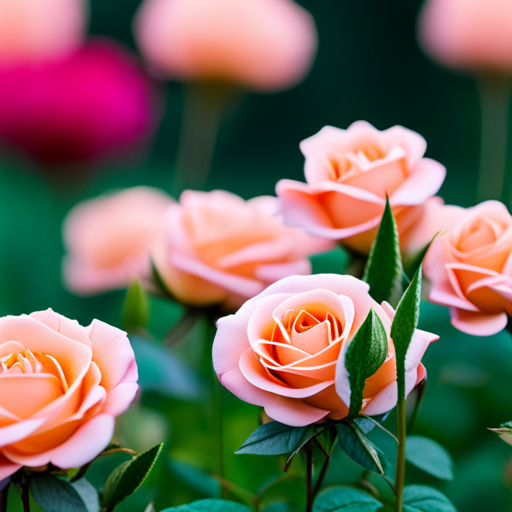
Growing roses from seeds can be a rewarding and educational process, although one that requires patience and attention to detail. While many think of buying established plants, growing roses from seeds can be an incredibly rewarding experience, not to mention a way to develop unique, personalized varieties. This post on how to grow roses from seeds is tailored to home gardeners who seek a deeper connection to their roses, from seed to bloom.
Understanding the Basics of Rose Seeds
Before we start planting, it’s crucial to understand the foundations of rose seeds. Unlike many other flowering plants, roses are typically not grown from their seeds due to the genetic variability that occurs. If you plant a seed from a red rose, the resulting plant could have pink or white blooms due to genetic recombination from the parent plants.
What varieties you choose to cross is important. Each parent plant’s genetics and the method of their cross will have an impact on the characteristics of the resulting blooms.
Selecting the Right Seeds
The first step towards a blossoming rose garden is choosing the right seeds. Many modern roses are a result of complex hybridization that may not produce seeds of their own, so it’s often old garden roses or wild roses that will provide the seeds you need.
For the best chance of robust growth, select seeds from healthy, strong plants. Seeds gathered from dying or weak plants are less likely to produce a healthy rose bush. It’s a great idea to start with seeds from open-pollinated varieties, as you’ll have a higher success rate than with hybrid seeds.
Creating the Ideal Environment for Germination
The environment in which your rose seeds germinate is one of the most vital factors in their success. The process of germination begins when the seed senses favorable conditions—usually warm and moist—and ‘wakes up’ from dormancy.
How to Germinate Rose Seeds:
- Start by cleaning the seeds and scarifying the seed coat—this mimics the wear and tear the seeds would experience in nature, which encourages germination.
- Place the seeds in a plastic bag with a mixture of moist peat-moss and perlite, and store them in the refrigerator for about three months. This process is called ‘stratification’.
- After stratification, prepare a small pot (or cell in a seed tray) with a soil mixture that’s light and well-draining.
- Bury the seeds under a thin layer of this mixture, and keep the soil moist, not waterlogged.
- Keep the pot in a warm, sunny spot and be patient—the seeds can take several weeks to a few months to germinate.
Caring for Rose Seedlings
Once you have successful seedlings, they will require care to thrive.
Transplanting the Seedlings
Transplant the seedlings when they have developed their first true leaves, which look more like the leaves of an adult rose plant than the initial seedling leaves. Move them to a slightly larger pot with fresh potting soil. It’s crucial to handle the seedlings gently by their leaves, not the stems, which are very fragile at this stage.
Watering and Light
Rose seedlings should be watered regularly, keeping the soil moist but not waterlogged. They also require a lot of light, preferably from direct sun, but if you’re growing them indoors, a south-facing window can suffice.
Potting On
When the seedling outgrows its pot—usually when it’s time to move it to an outdoor environment—pot it on into a container that allows for further growth or directly into the garden bed.
Maintaining and Sustaining Your Rose Plants
Proper care and nutrition are essential at this stage, as the young rose plants are still very vulnerable.
Fertilization
Fertilize the roses to encourage healthy growth. An all-purpose rose fertilizer is suitable, but ensure you follow the instructions on the packaging. It is important not to over-fertilize a young plant, as this can lead to an overabundance of foliage at the expense of flower production.
Pruning
Routine pruning of shoots will allow your plants to focus energy on developing a strong root system and healthy canes.
Disease Control
Keep an eye out for signs of disease or pest infestation. It’s easier to control issues when they’re caught early, and a natural or organic approach is often best for young plants. A preventive treatment of neem oil can work wonders to protect the plants from common pests and fungal diseases.
The Long Wait: From Seed to Bloom
Patience is key, as roses can take a few years to mature enough to bloom consistently. Keep up with your regular maintenance, and in time, you’ll be rewarded with the enchanting sight of your homegrown roses.
Harvest and Cross-Pollination
To continue growing roses from seeds or to create your very own rose variety, you’ll need to learn about cross-pollination.
Pollen Collection
When roses are in bloom, collect pollen from the stamens of one plant onto a Q-tip.
Pollination
Next, transfer the pollen to the pistil of another rose plant, ensuring that both plants are the parent to the seeds.
Seed-Gathering

After successful pollination, the rose will develop hips where the flowers were once present. Harvest the seeds from these hips and repeat the first part of the process to germinate them.
Happy Gardening!
In the journey from seed to bloom, patience and care are the gardener’s most valued tools. Embracing the art of rose cultivation can lead to not only a stunning garden but a profound sense of accomplishment. Remember, each bloom is a testament to the tender care and attention to detail provided throughout the growing process. May the roses you nurture not only decorate your garden but also reflect the joy you had growing them.
Please be sure to check out my Gardening Blog Post Page for more tips on all types of gardening. Including Seed Starting, Orchids, Water Gardening, Coldframe Gardening, Indoor Bulb Gardening, Hydroponics, Container Gardening, Mums, Herbs, African Violets, planting Bulbs, Flower Gardening, Vegetable and Fruit Gardening, Indoor Houseplants of all kinds, Cactus, Succulents, Hanging plants, Deer resistant plants and even Bird, Bee, Butterfly and Hummingbird Gardens!