
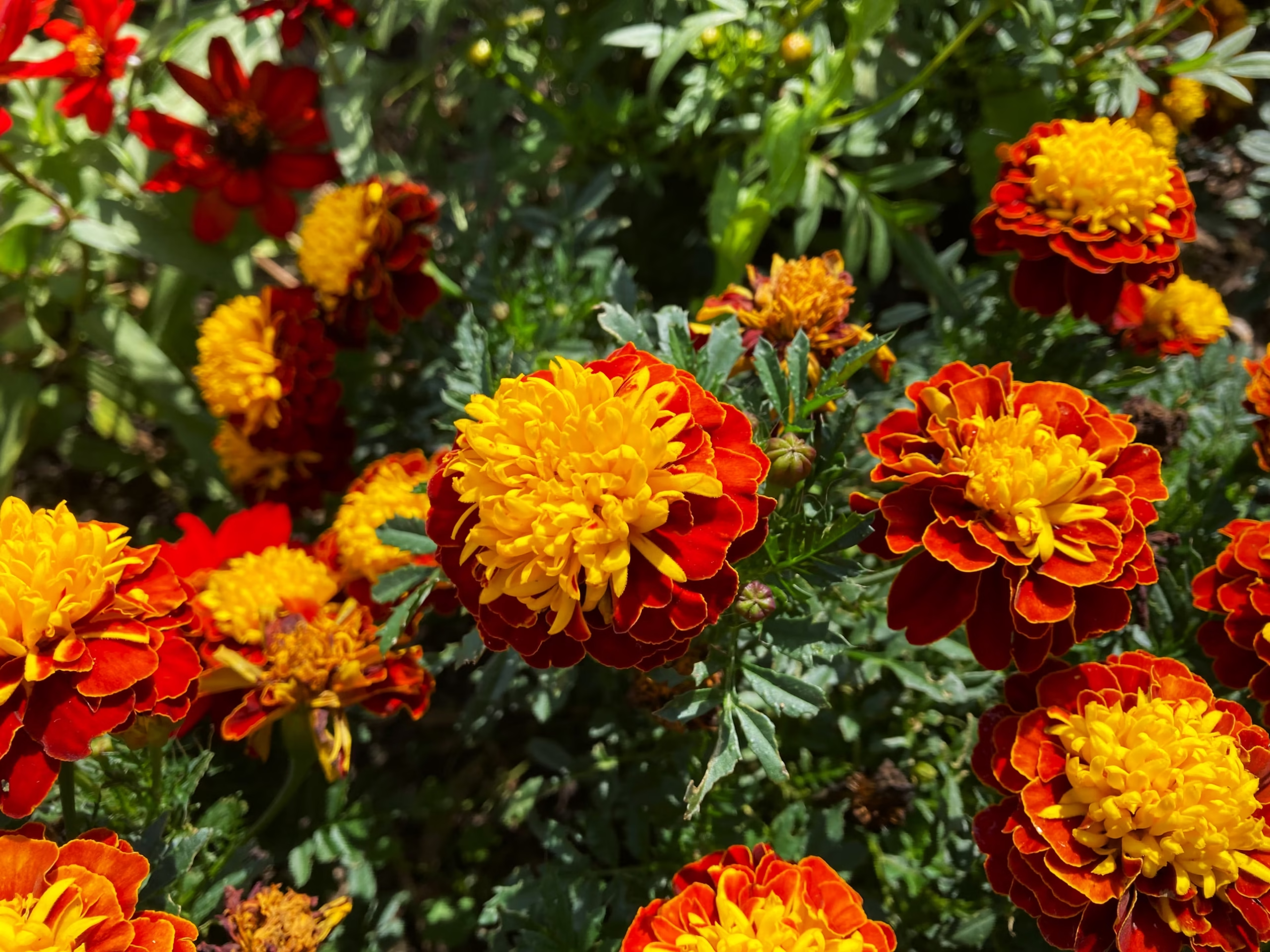
Known for their vibrant colors and hardy nature, marigolds are a common sight in gardens everywhere. But, how do you ensure your own marigolds stand out? It all starts with a tiny seed and a little know-how. Marigold seeds can be easily planted directly in your garden or started indoors for transplanting later. With their colors ranging from bright yellows to deep oranges, marigolds are a popular choice for gardeners. These hardy flowers are not only aesthetically pleasing but also serve a purpose in pest control, often planted in vegetable gardens to ward off harmful insects naturally. Whether you’re an experienced gardener or just starting out, this post on how to plant marigold seeds will help you grow a garden that puts a smile on your face.
Types of Marigolds and Their Features
Marigolds come in several varieties, each with its unique characteristics and beauty. The most common types include:
African Marigolds, are known for their large, pompom-like blooms that can grow several inches across. They typically reach heights of 18-36 inches and thrive in full sunlight. Their strong scent is particularly effective in pest deterrence.
French Marigolds, are more compact and bushy, often reaching only 6-18 inches in height. French marigolds bloom with smaller flowers, but in a profusion of colors with bi-colored patterns. These are excellent for border planting and container gardens.
Signet Marigolds, have dainty, delicate flowers with a citrusy fragrance. They grow to be about 8-12 inches tall and are ideal for edging, as they form neat, low mounds covered in blossoms.
Each type of marigold brings its own style, and choosing the right variety can add a particular charm to your garden’s design. When selecting marigold seeds, consider the size of the mature plant, the color you desire, and the purpose of the flowers in your garden, such as height contrast or pest control.
Light Requirements for Marigold Growth
Marigolds are sun-loving plants and require a good amount of daylight to thrive. They ideally need at least 6 to 8 hours of direct sunlight daily. Planting marigold seeds in a sunny spot is essential for proper growth and maximum flowering. While they can tolerate partial shade, too little light can lead to spindly plants with fewer blooms. Choose a location where they will receive ample sunshine throughout the day to ensure vibrant, healthy flowers.
Preparing the Soil
Before you introduce your marigold seeds to their new home, preparing the soil is a vital first step. Marigolds prefer well-drained soil that is rich in organic matter. Begin by loosening the soil to a depth of about 6 to 8 inches and mix in compost or a balanced, slow-release fertilizer to nourish the plants. Remove any stones, roots, or debris you come across to ensure your marigolds have an easy start. If you’re dealing with heavy clay soil, consider adding sand or peat moss to improve drainage. Proper soil preparation sets the stage for healthy, vibrant marigolds to flourish in your garden.
Planting Marigold Seeds Indoors and Outdoors
Planting marigolds can be dealt with in two principal methods: direct sowing into the garden or starting them indoors before the last frost.
Direct Sowing: Choose a spot in your garden that receives full sun and has well-prepared soil. Sow the marigold seeds about an inch apart and less than 1/2 inch deep in the soil. Marigold seeds need light to germinate, so avoid burying them too deeply. Water thoroughly and keep the soil moist until the seeds germinate. Marigold seeds typically take 4 to 14 days to germinate, and it’s crucial to keep the soil consistently moist during this period.
Indoor Start: To get a head start on the growing season, plant marigold seeds indoors about 6 to 8 weeks before the last anticipated frost. Use small pots or seed starting trays with seed starting mix. Sow the seeds on the surface and dust lightly with soil. Remember Marigold seeds need light to germinate, so avoid burying them too deeply. Water gently and ensure they have plenty of light and warmth. Once seedlings develop their second set of true leaves, they’re ready to be transplanted into individual pots. Harden off the seedlings by gradually introducing them to outdoor conditions before planting them into the garden after all danger of frost has passed.
Whether you’re planting directly outdoors or starting seeds inside, patience and attention to their light and water needs will reward you with robust marigold plants that can enhance your garden’s appeal.
Water and Fertilizer Needs for Marigolds
Proper hydration and nutrition are crucial for the healthy growth of marigolds. Once your marigold seedlings have established themselves, they become quite resilient. Still, a consistent watering schedule is important, especially during dry spells. Aim to keep the soil evenly moist but not waterlogged, as marigolds do not like to sit in soggy soil.
As for fertilization, marigolds are not heavy feeders, but they do appreciate the occasional boost. A light application of a general-purpose fertilizer once a month during the growing season can encourage more prolific blooms. However, be cautious not to overfertilize, as this can lead to lush foliage at the expense of flowers. Using a fertilizer with less nitrogen and more phosphorus can help promote better blooms.
It’s also helpful to mulch around the plants to retain moisture, suppress weeds, and keep the roots cool. Be mindful that healthy marigolds with appropriate nutrition and water will have better resistance to pests and diseases, ensuring a garden full of vibrant color and vitality.
Maintaining Marigold Blooms Through Deadheading
To encourage your marigolds to produce vibrant blooms continuously throughout their growing season, deadheading is an essential practice. By removing spent flowers, you not only improve your plant’s overall appearance but also stimulate it to produce more blooms. Deadheading Marigolds is a simple process: as flowers fade and wilt, use your fingers or a pair of garden shears to snip off the flower head at the base of the stem. Consistently deadheading your marigolds diverts the plant’s energy from seed production into creating new blooms, keeping your garden bright and lively. Remember, regular deadheading also decreases the likelihood of pests and diseases since old and decaying flowers can attract unwanted visitors or foster fungal growth.
Growing Marigolds in Containers
Marigolds are an excellent choice for gardeners looking to add a splash of color to their patio or balcony gardens through container planting. When growing marigolds in pots, ensure you choose a container large enough to accommodate the plant’s root system, with adequate drainage holes to prevent water-logging. A standard potting mix is suitable for marigolds, as they are not particularly picky about soil types as long as it is well-draining.
Place the pots in a location where they can receive the full sun exposure they crave. Regular watering is essential, as potted plants dry out quicker than those in the ground. Keep an eye on the moisture level of the potting soil and water when the top inch feels dry to the touch. Container-grown marigolds will also benefit from periodic fertilization, but be careful to follow product guidelines to avoid overfeeding. With proper care, marigolds in pots can provide stunning blooms just as they would in garden beds.
Companion Planting with Marigolds for Natural Pest Control
Marigolds are not just beautiful; they are also extremely beneficial when used as companion plants in the garden. They are known for their ability to repel a variety of pests naturally. French marigolds (Tagetes patula), in particular, release a substance from their roots that can deter nematodes, microscopic worms that damage plant roots, especially those affecting tomatoes and potatoes. Consequently, pairing tomatoes or potatoes with marigolds can significantly control the nematode threat.
Aside from their nematode-fighting abilities, the strong scent of marigolds can confuse and repel insects like aphids and mosquitoes, making them excellent companions for a variety of vegetables such as beans, cucumbers, melons, and eggplants. Planting a border of marigolds around these crops can provide a natural, chemical-free form of pest control. While also adding a splash of color to the vegetable garden. It’s a harmonious relationship where marigolds protect and enhance the growth of their companion plants.
Seed Saving from Marigold Flowers
Saving seeds from your marigold flowers can be a rewarding endeavor, allowing you to perpetuate your favorite varieties year after year. As the flowering season ends, select healthy, robust blooms from which to save seeds. Allow the chosen flowers to remain on the plants until they are fully mature and begin to dry out; this typically results in the development of a seed pod at the base of the once-vibrant petals.
Once the petals have browned and the seed pods are dry and brittle, carefully remove them from the plant. Gently open the pods to reveal the seeds inside. Be forewarned, marigold seeds are distinctively slender and pointy at the ends, so it’s easy to discern them from chaff. Spread out the seeds on a paper towel and allow them to air-dry completely for about a week in a location away from direct sunlight and moisture.
After the seeds have dried, store them in a paper envelope or a jar, labeling them with the variety and date of harvest. Keep the container in a cool, dry place until you are ready to plant them in the next season. Seed saving not only preserves the genetic diversity of your garden marigolds but also offers a sense of continuity and engagement with the cycle of growth and renewal in your personal outdoor sanctuary.
Happy Gardening!
In the heart of every seed lies the quiet promise of blooms to come. Throughout this post, we’ve walked through the simple joys and rich rewards of growing marigolds. From preparing the soil to saving seeds for future seasons, gardening with these cheerful flowers is a testament to the beauty of these plants. You’ll find each marigold bloom to be a small victory, a bright spot in your day. Happy planting, and may your garden be a splash of sunshine with the lively colors of marigolds!
Please be sure to check out my Gardening Blog Post Page for more tips on all types of gardening. Including Seed Starting, Orchids, Water Gardening, Coldframe Gardening, Indoor Bulb Gardening, Hydroponics, Container Gardening, Mums, Herbs, African Violets, planting Bulbs, Flower Gardening, Vegetable and Fruit Gardening, Indoor Houseplants of all kinds, Cactus, Succulents, Hanging plants, Deer resistant plants and even Bird, Bee, Butterfly and Hummingbird Gardens!