
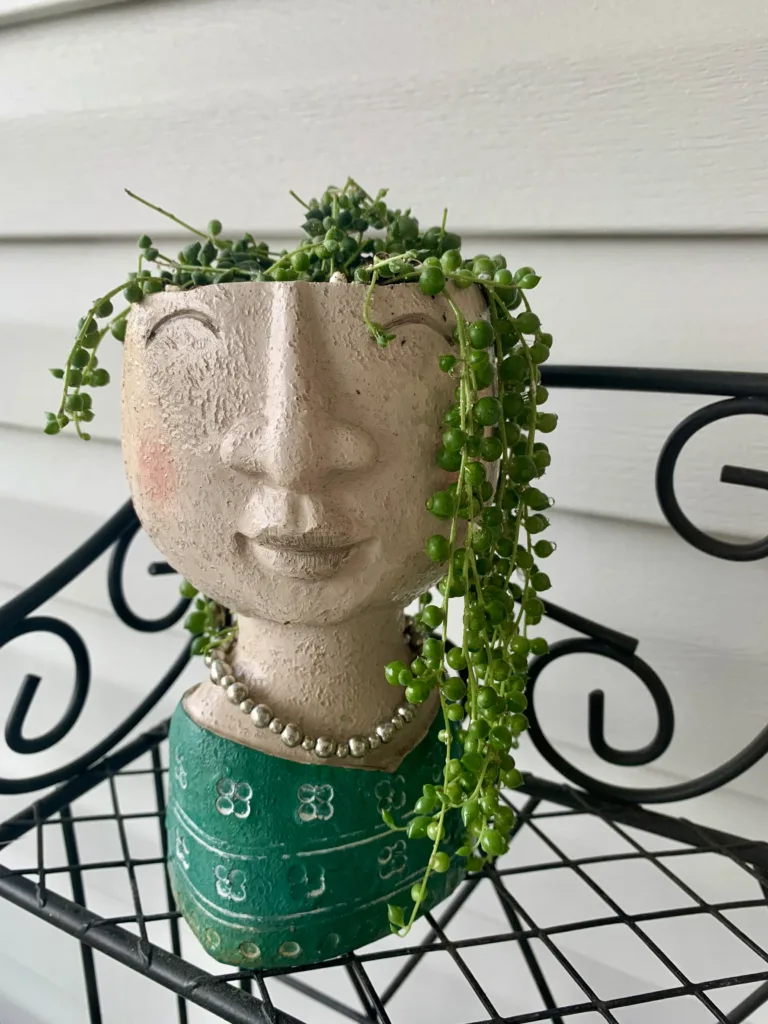
String of Pearls, or Senecio rowleyanus, is a unique trailing succulent that has become a darling of the indoor plant world, due to its fascinating appearance. Mimicking a beaded strand, its spherical leaves are a botanical wonder that can transform any space into a green oasis. If you are a plant enthusiast or a seasoned gardener looking to add this exotic beauty to your collection, it’s essential to understand how to care for String of Pearls properly. By the end of this post, you’ll be equipped with the knowledge of how to care for string of pearls and keep them thriving.
Understanding The String of Pearls Plant
Before we dive into its care, it’s crucial to recognize what makes the String of Pearls plant unique. Native to southwest Africa, this succulent is part of the Asteraceae family and has several features that set it apart:
Unique Appearance: The most obvious characteristic is its bead-like fleshy leaves that grow on long, slender stems. These can cascade down from a hanging pot or trail gently from the edges of containers, giving them a distinctive aesthetic.
Low Maintenance: Despite its delicate appearance, the String of Pearls is a fairly hardy succulent. It can thrive even in neglectful conditions, making it an excellent choice for beginners.
Growth Habits: Under the right care, your String of Pearls can begin to flower with small, white, star-shaped blooms. It prefers to grow in a trailing or hanging manner, naturally unfurling its pearls to the world beneath it.
Choosing the Best Pot for Your String of Pearls
When selecting the perfect pot for your String of Pearls, there are several factors to consider to ensure optimal growth and health of the plant:
Material: Clay or terracotta pots are excellent choices because they are porous and allow the soil to breathe, which helps prevent water retention and mimics the succulent’s natural arid environment.
Drainage: Make sure the pot you choose has ample drainage holes. Good drainage is critical for succulents to avoid root rot, often the demise of these plants.
Size: The pot should be just slightly larger than the root ball of the plant, as too much space can lead to excess soil moisture and potential health issues for the plant.
Shape: A shallow and wide pot is preferable, as String of Pearls doesn’t have deep roots and prefers to spread out slightly. This form also helps to showcase the trailing nature of the plant, enhancing its decorative charm.
Selecting the right pot will not only support the health of your String of Pearls but will also contribute to the aesthetic appeal of your living space.
The Ideal Soil Mix for String of Pearls
For String of Pearls to flourish, the right soil mix is as crucial as the perfect pot. These succulents require well-draining soil that mirrors their native, arid habitat. A standard succulent or cactus potting mix works well, which is usually composed go the following. Gritty components like perlite, coarse sand, or pumice are often included to increase drainage and aeration within the soil. Also organic matter like peat moss or coconut coir can provide the necessary nutrients while also helping the soil to retain just the right amount of moisture without becoming soggy. Creating your own mix by combining these elements provides you with the flexibility to tailor the medium to your plant’s specific needs. Remember, the goal is to mimic a desert-like environment that drains quickly and doesn’t hold onto moisture for too long.
Understanding Light Requirements
Proper lighting conditions are essential for the health of your String of Pearls. This succulent thrives in bright, indirect light that simulates the dappled sunlight of its native environment. Direct sunlight can be too harsh, especially during the peak hours of the day, and may lead to scorching of the delicate leaves. Ideal placement could be near a window with a sheer curtain or in a room that receives plenty of ambient light. If suitable natural light is not available, consider using a grow light to supplement. However, make sure to adjust the distance and duration of artificial lighting to prevent possible damage from overexposure. Remember, finding a balance in light exposure for your String of Pearls will contribute to its growth and vitality.
Grow Lights
If your living quarters don’t get enough natural sunlight, grow lights become a necessity in caring for String of Pearls. These specialized lights can emulate the spectrum of the sun, providing your plant with the type of light energy it needs for photosynthesis.
When opting for grow lights, consider LED lights as they are often preferred for their efficiency and lower heat output. They can provide a full spectrum of light without the risk of overheating your plants. Also typically, String of Pearls requires around 10-12 hours of light daily. With grow lights, you should aim to maintain a consistent light schedule to simulate a natural environment. And remember to position the lights above the plants, ensuring they’re close enough to benefit from the light but not so close that they might cause damage to the leaves. Adjustable stands or hanging setups are helpful for achieving the correct distance, which is generally about 6 to 12 inches away from the plant.
Watering Your String of Pearls
The watering regime for your String of Pearls is critical to its survival. This succulent prefers a “soak and dry” method, meaning you should water it thoroughly, allowing water to run out of the drainage holes, and then wait until the soil is completely dry before watering again. Overwatering can cause root rot, so it’s better to err on the side of underwatering. Typically, watering once every two weeks is sufficient, but this may vary depending on the humidity and temperature of your home. During the winter or cooler months, when the plant is dormant, you can reduce the frequency of watering.
Fertilizing String of Pearls
Fertilization can aid in the growth and vitality of your String of Pearls, but it should be done with a gentle hand. Use a balanced, water-soluble fertilizer diluted to half strength, and fertilize only during the active growing season, which is generally from spring to early fall. Avoid fertilizing in the winter as the plant is not actively growing and cannot use the additional nutrients, which may accumulate and lead to toxicity. As a general rule, once every month during the growing season is often enough to keep your String of Pearls healthy and thriving.
Common Issues with String of Pearls
Caring for a String of Pearls plant may sometimes lead to encountering a few common issues. By identifying and addressing these problems early, you can keep your succulent healthy and thriving.
Yellowing or Mushy Leaves
If you notice your String of Pearls developing yellow or mushy leaves, this is often a sign of overwatering. To solve this, allow the soil to dry out completely before watering again. Make sure the pot has good drainage and consider reducing the amount of water you provide during each watering session.
Leaves Falling Off
A String of Pearls may start to lose leaves/pearls if it’s either underwatered or too stressed from sudden changes in the environment, such as temperature fluctuations. Check the soil moisture and ensure your watering routine is consistent with the plant’s needs. Gradually acclimatize the plant to any new location by slowly introducing it to the new environment’s light and temperature conditions.
Leggy Growth
When the plant appears “leggy” or stretched out, it’s usually a sign that it’s not receiving enough light. To remedy this, move your String of Pearls closer to a light source or supplement with a grow light. Remember to keep the light exposure indirect to prevent scorching.
Pests
Common pests like aphids, mealybugs, and spider mites might infest your String of Pearls. Isolating the plant and treating it with insecticidal soap or neem oil solutions can help eliminate pests. Preventing pest issues can often be achieved through proper watering and ensuring good air circulation around the plant.
By keeping an eye out for these common issues and implementing these solutions, your String of Pearls should remain a vibrant and eye-catching feature in your home.
Happy Gardening!
In conclusion, the String of Pearls plant is a stunning addition to any collection. By understanding its unique needs – from potting and soil to light and water – you can ensure that it not only survives but thrives.
Remember to be patient with this little succulent – it may not grow as quickly as some of your other plants, but its unique beauty and easy-going nature make it a standout choice for both novice and experienced growers alike.
Please be sure to check out my Gardening Blog Post Page for more tips on all types of gardening. Including Seed Starting, Orchids, Water Gardening, Coldframe Gardening, Indoor Bulb Gardening, Hydroponics, Container Gardening, Mums, Herbs, African Violets, planting Bulbs, Flower Gardening, Vegetable and Fruit Gardening, Indoor Houseplants of all kinds, Cactus, Succulents, Hanging plants, Deer resistant plants and even Bird, Bee, Butterfly and Hummingbird Gardens!