
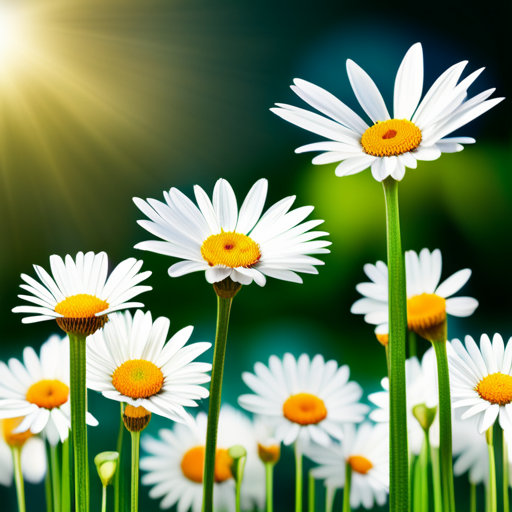
For the gardeners and flower lovers, few sights are as cheerful and heartwarming as a cluster of bright, white daisies nodding under the sun. Shasta daisies, with their classic daisy look and perennial charm, are a popular addition to any garden. Adding an air of simple elegance and freshness to the landscape. If you’re considering adding these delightful blooms to your garden, or if you are already a fan of Shasta daisies. This post will lead you step-by-step through everything you need to know about how do you grow Shasta Daisies.
Shasta Daisy
Shasta daisies or Leucanthemum x superbum, a perennial variety and a member of the chrysanthemum family, are a cultivar that was developed to create a stronger and larger daisy variety. They are known for their abundant white petals and yellow, button-shaped centers. Whether you have a small flower bed or want to create a white or moon garden. Then Shasta daisies can be an ideal choice for their minimal care requirements and tolerance to a wide range of conditions.
How Tall Do Shasta Daisies Get
Shasta daisies are known for their versatility and robust stature, growing on average to be about 2 to 3 feet tall. However, with optimal care and under ideal growing conditions, some varieties of this hardy perennial can reach a commanding height of up to 4 feet. Their size makes them an excellent choice for adding height and structure to a garden without the need for staking, as they generally maintain their upright form quite well. This characteristic height also makes them a favorite in cut flower arrangements, bringing a touch of wildflower beauty to any vase display.
Light Requirements
Shasta daisies thrive in full sunlight, which ensures optimal growth and bloom quality. Ideally, they should receive at least 6 hours of direct sunlight each day. This exposure is critical for the daisies not only to grow but also to produce those large, vibrant flowers that gardeners cherish. While Shasta daisies can tolerate partial shade, too little sun can lead to spindly plants and fewer blooms. For gardeners in regions with exceptionally hot climates, providing some afternoon shade can help protect the daisies from scorching.
Preparing the Soil
To create an ideal growing environment for Shasta daisies, you’ll want to start with the soil. These flowers thrive in well-drained soil, as waterlogged roots can lead to disease and poor plant health. Begin by loosening the soil to a depth of about 12 to 15 inches and mix in a 2 to 4-inch layer of compost. This will not only improve drainage but will also add necessary nutrients to the soil, which can help stimulate robust growth and improve flowering. The ideal pH for Shasta daisies ranges from 6.0 to 8.0, so consider testing your soil and amending it accordingly to reach this pH range. Ensuring that the soil conditions are right can lead to a beautiful display of Shasta daisies that will flourish year after year.
How Do You Plant Shasta Daisy Seeds
Shasta daisy seeds can be started indoors or sown directly into the garden. If starting seeds indoors, begin six to eight weeks before the last expected frost date. Sow the seeds shallowly in seed-starting trays filled with a well-draining potting mix. Lightly press the seeds into the soil but do not cover them, as they need light to germinate. Maintain a consistent moisture level and keep the soil temperature around 70°F. Seedlings typically emerge within 10 to 21 days.
If you are directly sowing seeds into the garden, choose a site after the danger of frost has passed. Scatter the seeds on top of the prepared soil and press them lightly into the surface. Keep the area moist until germination occurs. Once the seedlings are a few inches tall, thin them to about 12 inches apart to allow room for mature plants to grow. This spacing will enable the Shasta daisies to develop a healthy root system and ample foliage, leading to a more vibrant and sustainable flowering season.
How Far Apart Do You Plant Shasta Daisies
For those preferring to plant nursery-grown Shasta daisies, choose a day when the weather is cool and overcast to ease the stress on the plants. Space the daisies about 1 to 2 feet apart to allow for ample growth and airflow, which helps prevent disease. Dig a hole twice as wide as the root ball but just as deep, and set the plant in so the top of the root ball is level with the soil surface. Backfill the hole, water deeply, and apply mulch around the plant to retain moisture and keep weeds at bay. With proper placement and care, your Shasta daisies will establish themselves quickly and start to grow into their new home.
Water and Fertilizer
Adequate watering and fertilization are essential for the growth and sustenance of Shasta daisies. These plants prefer evenly moist soil, especially during the growing season. Aim to provide an inch of water per week, either through rainfall or irrigation. It’s important to water at the base of the plants to avoid wetting the foliage, which can lead to fungal diseases. As for fertilization, apply a balanced, all-purpose fertilizer in the spring as new growth appears. This will give the plants a boost of nutrients to support robust growth and abundant flowering. Additionally, feeding your Shasta daisies with a mild liquid fertilizer every 3 to 4 weeks during the blooming period can help to maintain vibrant blooms throughout the season. Remember to follow the instructions on the fertilizer package to avoid over-fertilization, which can be just as detrimental to the plants as under-fertilization.
How Long Do Shasta Daisies Bloom
The blooming period for Shasta daisies is one of the most enchanting aspects of these hardy perennials. Typically, they begin to display their crisp white petals and sunny yellow centers in early summer and can continue to brighten the garden through late summer or early fall. The average blooming duration is approximately 8 to 10 weeks, often offering a prolonged display of color when many other flowers have started to fade. Deadheading, or the removal of spent flowers, encourages the plants to produce additional blooms, extending the flowering season. By providing adequate care and ensuring favorable growing conditions, gardeners can enjoy these delightful flowers at their peak for much of the summer season.
Happy Daisy Gardening!
Shasta daisies are a delightful addition to any garden, providing bright, white blooms that can uplift any space. With their low-maintenance requirements and perennial nature, they’re a gardener’s dream. By following the tips and guidelines outlined in this comprehensive guide, you can grow vibrant and healthy Shasta daisies that will be the pride of your garden.
Please be sure to check out my Gardening Blog Post Page for more tips on all types of gardening. Including Seed Starting, Orchids, Water Gardening, Coldframe Gardening, Indoor Bulb Gardening, Hydroponics, Container Gardening, Mums, Herbs, African Violets, planting Bulbs, Flower Gardening, Vegetable and Fruit Gardening, Indoor Houseplants of all kinds, Cactus, Succulents, Hanging plants, Deer resistant plants and even Bird, Bee, Butterfly and Hummingbird Gardens!