

The practice of vertical gardening is perfect for both novice and seasoned gardeners alike. As the urban sprawl expands and the crunch for green space intensifies Finding creative ways to grow plants efficiently and abundantly in a small area is more than a pastime, it’s a necessary skill. Among the many vegetables that flourish in this upward paradigm, pole beans stand out as a particularly gratifying and productive crop. In this post, we’ll delve into the art of how to grow pole beans vertically. Whether you’re looking to maximize space, enhance the aesthetics of your garden, or simply enjoy the rewards of home-grown produce, this post has you covered.
Why Grow Pole Beans Vertically?
Pole beans, unlike their bushy counterparts, are climbing champions. With the right environment, they can reach for the sky. By training pole beans to grow upwards, you’re harnessing a natural tendency that not only saves ground space but also promotes better aeration, reduces the risk of pests and diseases, and makes harvesting a breeze. Vertical growth also helps the plant to receive more uniform sunlight, which is crucial for bountiful harvests.
But the benefits don’t stop there. Growing pole beans vertically is a perfect solution for gardens with limited space. It’s a fantastic addition to any urban garden, balcony, or patio. For those who are space-conscious or have physical limitations that make ground-level gardening difficult, growing vertically can make the hobby accessible.
Preparing the Soil for In-Ground or Container Growing
Before planting your pole beans, it is essential to prepare the soil to ensure healthy growth. Whether you are planting in containers or directly in the ground, the soil needs to be rich in organic matter with good drainage. Start by selecting a spot that receives at least 6-8 hours of sunlight daily. For in-ground planting, loosen the soil to a depth of 12 inches and mix in compost or aged manure to provide nutrients. If growing in containers, choose a high-quality potting mix that includes compost or a slow-release fertilizer. Ensure that your containers have adequate drainage holes to prevent waterlogging. By preparing the soil properly, you’re laying the foundation for a thriving vertical garden of pole beans.
Sunlight Needs for Pole Beans
When it comes to cultivating pole beans, sunlight is a critical factor for their growth and development. These vigorous climbers thrive best in full sun conditions, which means they need direct exposure to sunlight for at least 6-8 hours a day. The ample sun not only energizes the photosynthesis process but also helps to keep the plants healthy and less prone to fungal diseases, which can prosper in shadier, moister environments. If your garden area receives less sunlight, consider placing the pole beans in the portion that gets unobstructed solar exposure for the majority of the day. Remember, the more sunlight pole beans receive, the more they will produce.
Planting Your Pole Beans
After you’ve prepared your soil and ensured a sunny location, planting your pole beans is the next step. To begin, plant them when all danger of frost has passed and the soil temperature has warmed to at least 60°F (15°C), typically in late spring or early summer. Pole beans are typically direct-sown into the ground or container, as they don’t transplant well. Plant the seeds about an inch deep and space them 3 inches apart. Provide a structure, such as a trellis or teepee stakes, at planting time for support. As the beans grow, they will naturally start to climb. If they need a little help, you can gently guide them onto the support. Water the soil well after planting and keep it consistently moist, but not waterlogged, as the beans begin to grow.
Water and Fertilizer Requirements
Proper watering and fertilization are crucial for the successful growth of pole beans. Beans prefer a moderate amount of water, requiring about 1 inch of water per week. It’s important to water the plants at soil level to minimize wetting the foliage, which can lead to disease. Water deeply and less frequently to encourage strong root development. Drip irrigation or a soaker hose can be particularly effective in delivering water efficiently and keeping the leaves dry.
When it comes to fertilizer, pole beans are light feeders but benefit from an occasional boost. A balanced vegetable garden fertilizer applied according to package directions can aid in vigorous growth. If you’ve enriched the soil with compost before planting, additional fertilizer may not be needed. However, watch for signs of nutrient deficiencies, such as yellowing leaves or stunted growth, and address them with appropriate fertilization. Always avoid over-fertilizing, as too much nitrogen can result in lush foliage at the expense of pod production.
Choosing the Perfect Structure for Pole Beans
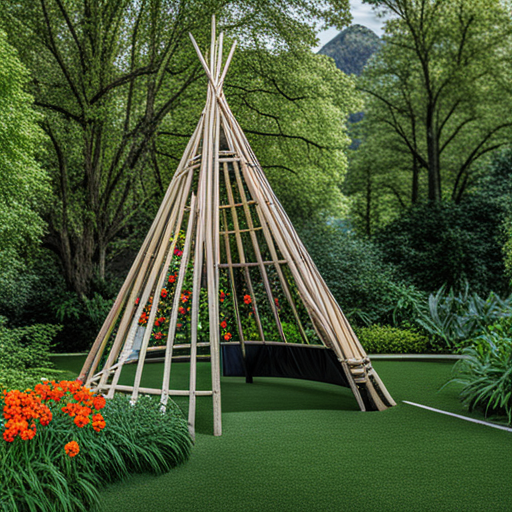
The ideal structure for pole beans is integral to their vertical growth. While there are various supports you can use, the most common are trellises, teepees, and towers. A sturdy trellis made of wood or metal should stand at least 6 feet tall to accommodate the full growth of the beans. For a teepee structure, bamboo stakes or long poles tied at the top and spread out at the base provide an excellent climbing frame and can be a beautiful focal point in the garden. Lastly, pole bean towers, which are often made from cylindrical wire or mesh, offer a freestanding option that’s both functional and space-saving. Whichever structure you choose, ensure it’s secure and strong enough to support the weight of the plants as they mature. Remember to position the support in place at planting time to avoid disturbing the growing beans later.
Germination and Harvest Timeline for Pole Beans
After planting your pole beans in the prepared soil and supportive environment, you can expect to see sprouts emerge in about 7-10 days provided the soil temperature is adequately warm. It is crucial to keep the soil consistently moist during this germination period. From the emergence of sprouts, pole beans usually take 50 to 65 days to reach maturity depending on the variety and growing conditions. This means that you should be able to harvest your first beans roughly 2 months after planting. Regular harvesting encourages continued production; so, for a bountiful yield, pick the beans every 2-3 days once they begin to mature.
Happy Gardening!
As you embark on your vertical pole bean journey, remember that preparation is key. Invest in soil health, choose a suitable growing medium, and provide the support that will be the stage for your bean vines. Balancing moisture and nourishment will ensure a robust harvest, while vigilant care and regular maintenance will keep your vertical garden performing at its best.
Please be sure to check out my Gardening Blog Post Page for more tips on all types of gardening. Including Seed Starting, Orchids, Water Gardening, Coldframe Gardening, Indoor Bulb Gardening, Hydroponics, Container Gardening, Mums, Herbs, African Violets, planting Bulbs, Flower Gardening, Vegetable and Fruit Gardening, Indoor Houseplants of all kinds, Cactus, Succulents, Hanging plants, Deer resistant plants and even Bird, Bee, Butterfly and Hummingbird Gardens!