
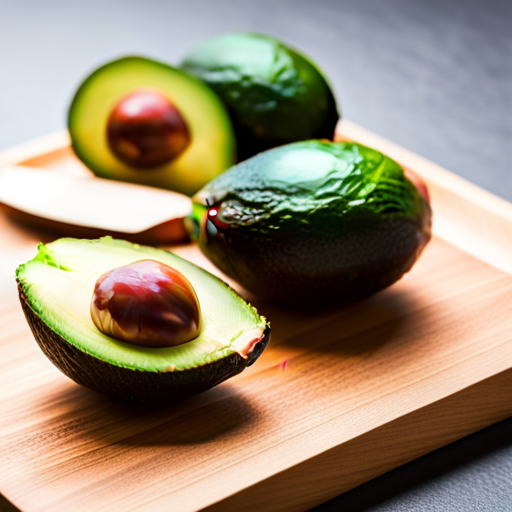
Home gardening has seen a huge rise in popularity, and one plant that frequently takes center stage is the avocado tree. But did you know that you don’t need a green thumb or tons of gardening space to grow your own avocado tree? Avocados are some of the most rewarding plants to grow from scratch, and all you need to get started is an avocado pit and a little patience. In this post, we’ll take you through every step of growing avocado in water. Whether you’re an experienced gardener or a curious beginner. The journey through pit preparation, germination, and the nurturing of your growing avocado tree will arm you with the knowledge you need to bring this lush, green beauty to life.
Before You Begin: Selecting Your Avocado Pit
Growing an avocado tree in water begins with selecting the right pit. It’s essential to pick a good-quality avocado, one that is mature and has been allowed to ripen fully on the tree. Here’s what to look for:
- Ripe, not overripe: An overripe avocado pit may already be rotting from the inside, which will hinder germination.
- Healthy appearance: The skin of a healthy pit should be blemish-free and unbroken.
- Size matters: Larger pits often produce more vigorous trees. Consider the size of the pit in relation to the size of the fruit it came from.
Step One: Prepare Your Avocado Pit

Now that you’ve selected your pit, it’s time to prepare it for germination.
Supplies You’ll Need:
- Toothpicks: You’ll use these to suspend the pit in water.
- A glass or jar: This will be the home for your avocado pit and the water it will grow in.
The Preparation Process:
- Extract the Pit: Carefully remove the pit from the avocado. To minimize damage and maintain the pit’s integrity, try to do this soon after enjoying your avocado fruit.
- Cleaning: Gently wash away any avocado flesh still adhering to the pit.
- Position the Toothpicks: Insert three or four toothpicks into the pit at even intervals around the circumference, about halfway down. These will provide a base for the pit to rest on the rim of your glass or jar, with the bottom half submerged in water.
- Place in Water: Situate the pit in water with the toothpicks resting on the glass rim. The base should be immersed about an inch or two in water. It’s important to maintain a consistent water level, adding more as needed to ensure the pit’s bottom never dries out.
Step Two: The Waiting Game
The next phase is critical: patience as you wait for your avocado pit to sprout. This step can take anywhere from a few weeks to a few months, and there are a few tips to bear in mind:
- Light: Place your pit in a warm, sunny spot, but be mindful that direct sunlight for too long can dry out the pit.
- Change water regularly: Every few days, refresh the water to prevent stagnation and algae growth.
- Observe, don’t fiddle: It’s tempting to check for new growth daily, but be patient and try not to disturb the process.
Step Three: Nurturing Your Growing Avocado Tree
Congratulations, your avocado pit has sprouted! Now, it’s all about encouraging that sprout to grow into a strong, healthy tree.
Once your sprout has grown to around six inches, many gardeners choose to transition it to soil. Prepare a pot with well-draining soil, water it, and make a hole in the center for the sprout’s roots. Carefully transfer your avocado sapling into the pot, ensuring its roots have room to seek nourishment. Water the soil thoroughly but not excessively and maintain humidity to facilitate the transition.
Choosing the Best Soil Mix for Your Potted Avocado Tree
Getting the soil mix right is key to the health and growth of your potted avocado tree. An ideal soil mixture should have good drainage, moderate water retention, and be rich in organic matter. Here’s how to achieve the perfect blend:
- Aeration: Use a mixture that includes perlite or vermiculite to ensure that the soil is well-aerated and prevents compaction.
- Drainage: Incorporate coarse sand or gravel into your mixture to enhance soil drainage and avoid waterlogged roots that can lead to rot.
- Organic Content: Add compost or aged manure to supply your tree with the necessary nutrients it needs to grow strong and healthy.
- pH Levels: Avocado trees prefer slightly acidic to neutral soil, aiming for a pH between 6 and 7. You can test the pH and amend with lime or sulfur as needed.
Create a mix using 1/3 perlite or vermiculite, 1/3 coarse sand, and 1/3 compost for a well-balanced potting mixture. Always choose a high-quality potting soil as your base to ensure your avocado tree has the best environment to thrive.
Caring for Your Growing Avocado Tree:
- Temperature: Avocado trees thrive in warm, stable temperatures. Avoid exposing the plant to cold drafts, which can cause stress.
- Light: Continue to provide ample sunlight, ideally through a south-facing window.
- Water: Keep the soil damp but not waterlogged. Overwatering can lead to root rot.
- Feeding: After four to six months, you may begin applying a balanced liquid fertilizer once a month during the growing season.
The Benefits of Growing Avocado Trees in Water
The water method for germinating avocado pits offers several advantages:
- It’s a visually engaging process that allows you to observe the stages of growth up close and personal.
- It can be more forgiving for beginners, as it’s easier to monitor water levels and ensure the pit doesn’t dry out.
- It’s a fantastic project for kids or a classroom, teaching valuable lessons about plant life cycles and responsibility.
Pollinating Your New Avocado Tree
Growing an avocado tree at home can be a uniquely rewarding experience, but it’s helpful to know a bit about their reproductive process. Avocado trees are known to be self-pollinators, meaning each tree has both male and female flowers, which allows them to pollinate themselves. However, to maximize fruit production, cross-pollination with another avocado tree can be beneficial. This means that while you can grow a tree on your own and potentially get fruit, having a second avocado tree of a different variety nearby could dramatically increase your harvest.
Also if your tree is indoors shake it occasionally when it blooms to spread the pollen. This is what the bees and butterflies would do if it were placed outdoors.
Troubleshooting Your Avocado Pit Germination
If your pit isn’t sprouting, or if the sprout seems to be stunted, here are a few things to consider:
- Patience: Sometimes, all it takes is a little extra time for the miracle of growth to occur.
- Environment: Ensure your avocado pit is in a warm and well-lit environment.
- Quality of the pit: If the avocado from which the pit was sourced was compromised or not ripe, it may not achieve germination.
- Infection: If you notice mold or a foul odor coming from the water, your pit may have rotted. In this case, it’s best to start over with a new pit.
Happy Gardening!
Growing an avocado tree in water is a simple, rewarding process that can yield beautiful results. By selecting the right pit, preparing it with care, and providing appropriate conditions for growth, you can watch your own miniature jungle flourish. This journey is more than a fun DIY project—it’s a testament to the power of patience and the resilience of nature.
The next time you spread avocado on toast or whip up some guacamole, consider the journey that little pit might take. It could end up being a cherished part of your home’s plant collection, an emblem of your green-fingered prowess, and a living, breathing connection to the outdoors. As with all plant care, continuous observation and adjustment will be your best allies in growing a healthy avocado tree. And who knows, it might just provide you with some luscious fruits one day.
Please be sure to check out my Gardening Blog Post Page for more tips on all types of gardening. Including Seed Starting, Orchids, Water Gardening, Coldframe Gardening, Indoor Bulb Gardening, Hydroponics, Container Gardening, Mums, Herbs, African Violets, planting Bulbs, Flower Gardening, Vegetable and Fruit Gardening, Indoor Houseplants of all kinds, Cactus, Succulents, Hanging plants, Deer resistant plants and even Bird, Bee, Butterfly and Hummingbird Gardens!