
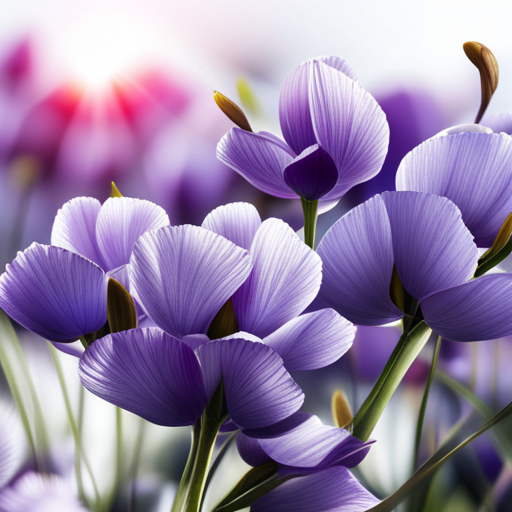
Sweet Peas, with their delicate petals and sweet fragrance, are cherished by gardeners for their ornamental value and the joy they bring to any garden. As a flower gardener, you might be drawn to these lovely flowers but unsure of how to cultivate them successfully. No worries – we’re here to walk you through each step from preparing the soil. To basking in the beauty of your sweet peas. In this post we will go through the steps for growing sweet peas. From soil prep to planting to caring for sweat peas.
Sunlight Requirements for Sweet Peas
Sweet peas thrive in a location where they can bask in full sunshine for at least 6 to 8 hours a day. While they can tolerate partial shade, too little sunlight can hinder their growth and reduce the vibrancy of their blooms. Ensuring your sweet peas get abundant sunlight will not only promote lush foliage. But will also lead to a more prolific display of their fragrant flowers. It’s essential to choose a spot in your garden that receives ample sunlight throughout the day to keep your sweet peas happy and healthy.
Preparing the Soil for Sweet Peas
Before planting sweet peas, it’s crucial to prepare the soil properly to nurture these delicate plants. They prefer rich, well-drained soil with plenty of organic matter. Begin by loosening the soil to a depth of about 12 to 18 inches. This will allow the root system to spread easily. Mix in a generous amount of compost or aged manure to enrich the soil and ensure it has sufficient nutrients. If the soil in your garden is heavy clay or particularly sandy. You might consider raised beds or containers to provide the ideal soil conditions. Furthermore, a pH between 6.0 and 7.0 is optimal, so conducting a soil test can be beneficial. Adjusting the soil pH with lime or sulfur, depending on the results of your test. This might be necessary to create the perfect environment for your sweet peas to flourish.
Planting Sweet Peas
When the soil is sufficiently prepared, it’s time to plant your sweet pea seeds or live plants.
Sowing Sweet Peas
If starting with seeds, sow them directly into the ground at a depth of about 1 inch and space them roughly 2 to 3 inches apart; expect germination within 10 to 14 days. To give your plants a head start, soak the seeds in water for 24 hours before planting. This softens the seed coat and speeds up germination.
Planting Sweet Pea Plants
Planting nursery-grown sweet pea plants can be done by digging holes that are as deep as the root ball and twice as wide. Place the plants in the holes and fill them with the enriched soil, pressing down gently but firmly. Water the seeds or plants thoroughly after planting to settle them into their new home. Remember to provide support such as trellises or stakes at planting time, as sweet peas are climbing plants and will need something to twine around as they grow.
Water and Fertilizer Needs for Sweet Peas
Consistent moisture is key to the health of sweet peas. They require regular watering, especially during dry spells, to keep the soil lightly moist but not waterlogged. Aim to provide approximately 1 inch of water per week, either through rainfall or manual watering. Overhead watering should be avoided to prevent mildew; instead, water at the base of the plants early in the day to allow foliage to dry out. As for fertilizing, sweet peas benefit from a low-nitrogen, high-potassium fertilizer. An initial application of a balanced fertilizer at planting will kick-start growth, followed by a high-potassium fertilizer once they begin to bloom, which encourages abundant flowers. Be cautious not to over fertilize, as too much nitrogen can lead to lush foliage at the expense of blooms.
How Long Until my Sweet Peas Bloom?
Sweet peas usually take between 12 to 15 weeks from planting to bloom, assuming they are grown under ideal conditions. It’s important to be patient as these beauties make their way through their growth stages. Once the climbing vines have established themselves and the weather warms up, you’ll begin to see buds forming. The actual time until flowering can also vary depending on environmental factors and the specific variety of sweet pea you’ve chosen. To encourage a longer blooming period, be sure to deadhead spent flowers regularly. This practice prevents the plants from putting energy into seed production, instead promoting further blooming.
Troubleshooting Sweet Peas
Despite your best efforts in meeting their care requirements, sweet peas can sometimes encounter growing issues. A common problem is powdery mildew, a fungal disease that appears as a white powder on leaves and stems. This can often be avoided by spacing plants properly to ensure good air circulation and watering at the soil level to keep foliage dry. If mildew occurs, treat it with a fungicide and remove any severely affected parts. Pests such as aphids and slugs may also be attracted to your sweet peas.
Regularly inspecting the plants and employing organic or chemical controls can keep these pests at bay. Additionally, if sweet pea plants are not flowering, it could be due to excessive heat, insufficient sunlight, or over-fertilization with nitrogen. Adjusting their location, ensuring they have enough light, and using a high-potassium fertilizer can help resolve this issue. Remember that prompt action is key to resolving most problems and can help keep your sweet peas thriving.
Happy Gardening!
By following these steps, you are well on your way to growing beautiful sweet peas that will fill your garden with color and fragrance. Remember, gardening is as much an art as it is a science, so enjoy the process and don’t be disheartened by any setbacks. Each challenge presents a valuable learning opportunity. Keep nurturing your sweet peas with love, and soon enough, you’ll be celebrated for your bloom-tastic garden!
Whether you’re a seasoned gardener or venturing into horticulture for the first time, the satisfaction of watching your sweet peas grow and bloom is unparalleled. Get your hands dirty, embrace the green lifestyle, and let your inner gardener awaken as you delve into this wonderful experience.
Please be sure to check out my Gardening Blog Post Page for more tips on all types of gardening. Including Seed Starting, Orchids, Water Gardening, Coldframe Gardening, Indoor Bulb Gardening, Hydroponics, Container Gardening, Mums, Herbs, African Violets, planting Bulbs, Flower Gardening, Vegetable and Fruit Gardening, Indoor Houseplants of all kinds, Cactus, Succulents, Hanging plants, Deer resistant plants and even Bird, Bee, Butterfly and Hummingbird Gardens!