
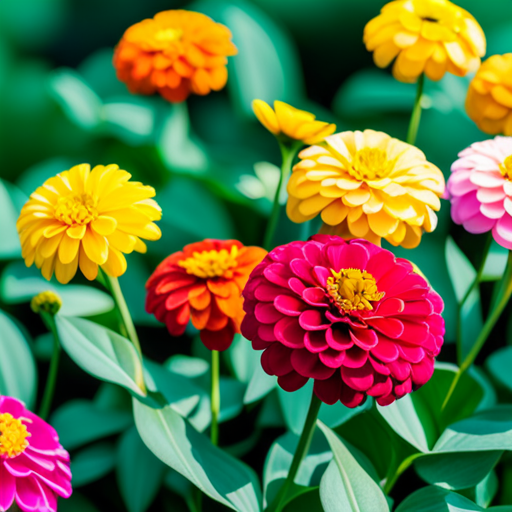
If you’re a passionate gardener with a love for colorful beautiful blossoms. Then zinnias should be a star player in your flowerbed. Their varied colors, ease of care, and ability to bloom from summer to the first frost make them a staple of any beautiful garden. This post will walk you through everything you need to know about how to grow zinnias. From soil to picking your beautiful Zinnias!
Types of Zinnias
Zinnias come in a variety of shapes, sizes, and colors, offering something for every type of garden. Let’s explore the different types based on their sizes:
Small Varieties
Small zinnias, such as the ‘Lilliput’ series, are perfect for the front of a border or in containers. These petite beauties typically grow to about 8-10 inches in height and offer pom-pom-like blooms that are a favorite for butterflies.
Medium Varieties
The ‘Classic’ series represents the medium-sized zinnias, which usually stand about 18 to 24 inches tall. They produce larger flowers than their smaller counterparts and make excellent choices for cut flower arrangements.
Large Varieties
For those who desire a dramatic display, large varieties like the ‘Benary’s Giant’ series reach heights of 30-40 inches with blooms that can measure up to 6 inches across. These tall zinnias create a stunning backdrop in the garden and serve as a focal point due to their vibrant, large flowers.
Care for Zinnia
Below I will discuss all the factors in growing and caring for your Zinnias. From Sunlight needs, soil preparation, starting seedlings indoors and planting from seed outdoors.
Sunlight and Preparing the Soil
Zinnias thrive in full sunlight, requiring a minimum of 6-8 hours of direct sun per day to produce their colorful blooms. Choose a site that receives ample sunlight away from the shadows of trees or buildings for optimal growth. When preparing the soil, aim for a well-draining, fertile medium with a neutral to slightly acidic pH. Enrich your garden bed by mixing in several inches of organic compost or well-rotted manure to nourish the soil. This improvement in soil structure will not only provide essential nutrients but also ensure that water reaches the roots without waterlogging them. Remember that zinnias are sensitive to high moisture levels around their stems, so soil that drains well is key to preventing rot and disease. This soil meter will monitor moisture levels, pH levels and nutrients in your soil.
How Do You Plant Zinnias
To plant zinnias, start by sowing seeds directly into your prepared garden bed after the danger of frost has passed and the soil has warmed. Alternatively, for an earlier bloom, you can start seedlings indoors 4-6 weeks before the last frost date.
How Do You Plant Zinnia Seeds
Space the seeds 4-6 inches apart and cover them lightly with soil, no more than a quarter-inch deep, as zinnia seeds need light to germinate effectively. Water the area gently but thoroughly to settle the soil around the seeds. If starting indoors, use seed trays with a quality seed-starting mix, placing 2-3 seeds per pot, and thinning out to the strongest seedling once they develop. Zinnias are relatively fast growers and you should see sprouts within 7-10 days. Keep the soil moist, but not waterlogged, and once seedlings are a few inches tall and have a couple sets of true leaves, they are ready to be transplanted to your garden, taking care not to disturb the roots too much during the process.
Growing Zinnias From Seeds Indoors
If you live in a region with a shorter growing season or simply wish to enjoy zinnia blooms earlier in the year, starting your seeds indoors is an excellent method to get a head start. Ideally, begin this process 4-6 weeks before the expected last frost. Use a high-quality seed-starting mix in clean containers or trays to avoid diseases that might affect young plants. Place 2-3 seeds per container and lightly cover them with soil. Zinnia seeds typically germinate best when exposed to some light, so avoid burying them too deeply. Maintain a steady temperature of 70-75 degrees Fahrenheit and keep the soil moist, but not saturated, to encourage germination.
Once seedlings appear, usually within 7-10 days, move them to a bright area or under grow lights to ensure they receive enough light, which is essential to prevent weak, leggy growth. When the seedlings are strong enough, usually with a couple sets of true leaves, begin the hardening-off process to prepare them for outdoor conditions.
Hardening Off and Planting Zinnia Seedlings
To harden off your zinnia seedlings, gradually introduce them to the outdoors over a 7-10 day period. Start by placing them outside in a sheltered area for just a few hours on the first day, and then slowly increase their exposure to the elements each day. This process will accustom them to the wind, sun, and temperature fluctuations. Be sure to bring them back indoors or protect them if late frosts are forecasted or if conditions are too harsh, such as heavy rain or strong winds.
After the hardening-off period, your zinnia seedlings are ready to be planted in the garden. Choose a day with calm weather to make the transition as stress-free as possible for the plants. Make sure to plant them in a location that gets full sun, as zinnias require a minimum of 6-8 hours of direct sunlight each day. Gently remove the seedlings from their containers, taking care to disturb the roots as little as possible. Dig a hole for each plant, making it just as deep as the root ball and twice as wide. Space the plants according to the variety’s size, typically 6-18 inches apart to allow for ample air circulation. Firm the soil around the roots and water thoroughly to settle the plants in place. A layer of mulch can be added to help retain soil moisture and suppress weeds.
Water and Fertilizer Needs
Consistency is paramount when watering zinnias. They prefer moderately moist soil, so aim to water them deeply a few times a week rather than a little every day. This deep watering encourages strong root development. During dry spells, increase the frequency to maintain moisture, but be cautious not to over-water. The soil should feel moist at a depth of an inch or two when touched.
When fertilizing zinnias, use a balanced 10-10-10 or similar mixture. Begin by fertilizing at planting and continue to feed every few weeks during the growing season to promote vibrant, healthy growth. Too much fertilizer can lead to lush foliage at the expense of bloom production, so adhere to recommended rates. Always water the plants after fertilizing to help distribute the nutrients and prevent root burn.
Questions About Zinnias
How Tall Do Zinnias Get
The height of zinnia plants can vary significantly depending on the species and variety. Dwarf zinnias, such as the ‘Thumbelina’ series, typically grow to be about 6 to 8 inches tall, making them an ideal choice for borders or container gardens. On the other hand, Giant zinnias, like those from the ‘California Giant’ series, can reach impressive heights of up to 3 to 4 feet. Most common varieties fall somewhere in between, with heights ranging from 1 to 3 feet. When planning your garden layout, consider the mature size of the zinnias to ensure proper spacing and to create a visually appealing display.
Best Time To Plant Zinnias
For most gardeners, the optimal time to plant zinnias outdoors is after the last frost date when the soil has adequately warmed—typically in late spring to early summer. If you aim to extend the blooming period, you can continue to plant zinnia seeds at two-week intervals until mid-summer. This staggered planting approach will provide a succession of blooms until the first frost in the fall. Remember, zinnias thrive in warm conditions, so avoid planting too early in spring as they are sensitive to cold temperatures and frost can be detrimental to their growth.
Zinnias Annual or Perennial?
Zinnias are commonly classified as annuals, flourishing for one growing season before completing their life cycle. However, in warmer climates that do not experience a hard frost, some species may survive as perennials, returning year after year. It’s worth noting, even as annuals, zinnias can readily self-seed under favorable conditions, potentially emerging again in the following growing season with minimal effort from the gardener. This unique characteristic, coupled with their vibrant colors and relatively easy care, makes zinnias a cherished addition to many gardens.
Happy Gardening!
There you have it — the ultimate guide to growing zinnias in your flower garden. Whether you’re an experienced gardener or just starting out, zinnias are an ideal choice for a splash of color and charm. By observing their needs for water, light, soil, and nutrients, and providing a little care along the way, you’ll be rewarded with an abundant display of zinnia flowers, attracting butterflies and providing beauty until the season turns.
Please be sure to check out my Gardening Blog Post Page for more tips on all types of gardening. Including Seed Starting, Orchids, Water Gardening, Coldframe Gardening, Indoor Bulb Gardening, Hydroponics, Container Gardening, Mums, Herbs, African Violets, planting Bulbs, Flower Gardening, Vegetable and Fruit Gardening, Indoor Houseplants of all kinds, Cactus, Succulents, Hanging plants, Deer resistant plants and even Bird, Bee, Butterfly and Hummingbird Gardens!