
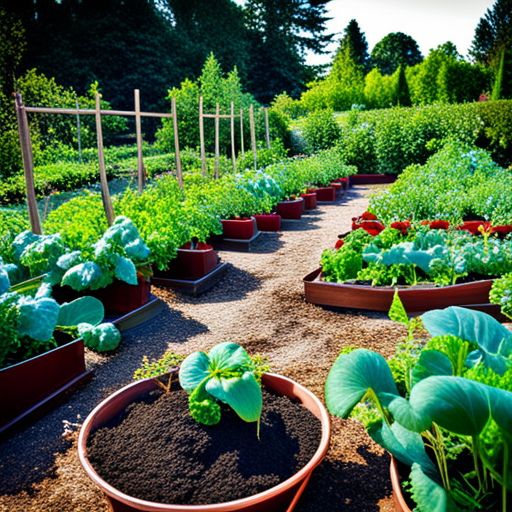
Spring is the time for renewal, and what better way to celebrate than by planting a garden? For gardeners in zones 9-10, spring presents an ample opportunity to plant various vegetables. However, with different climatic conditions and weather patterns, planting a garden in these zones can be a challenge at times. This blog post will provide gardeners with tips, tricks, and plant selections necessary for planting a spring garden for zone 9-10.
Gardening Zone 9-10
When referring to zones 9-10, we’re talking about specific regions in the United States that experience mild winters and long, warm to hot summers. Zone 9 encompasses areas such as the central Gulf Coast of Texas, much of Florida, parts of coastal California, and southern sections of Arizona and Louisiana. Conversely, Zone 10 covers the southernmost parts of Florida and California, parts of the coastal Gulf of Mexico, and portions of the desert Southwest. Gardeners in these zones enjoy a longer growing season, allowing for a wider variety of plants that can thrive.
Best Times to Plant Spring Vegetables
When it comes to planting spring vegetables in zones 9-10, timing is crucial for a bountiful harvest. Most spring vegetables can be started directly outdoors in these zones as early as late winter or early spring, taking advantage of the mild temperatures. However, starting seeds indoors 6-8 weeks before transplanting them outside can provide a head start for certain crops.
Top Ten Vegetables for Spring in Zones 9-10
For garden enthusiasts in Zones 9-10 looking to cultivate a vibrant and nutritious vegetable garden this spring, here are the top ten picks:
Tomatoes and Bell Peppers
Tomatoes are a favorite among gardeners in Zones 9-10 due to their love of the sun and warm growing conditions. To ensure robust growth, it’s critical to select varieties that are resistant to local pests and diseases. Starting seeds indoors around January or February gives them a jumpstart and allows for transplanting after the threat of frost has passed, typically around March. When selecting a site for your tomato plants, choose a sunny spot with at least 6-8 hours of sunlight per day, and consider implementing cages or stakes to support the plants as they grow. Regular watering and fertilization will also contribute to a successful and flavorful tomato harvest. Click here for more in depth post on growing tomatoes.
Bell Peppers, similar to tomatoes, relish in the warm, long growing season of zones 9-10. Thriving in the same conditions, they make an excellent companion plant in your garden. They should also be started indoors in the late winter months, to be ready for transplanting after the last frost. Bell peppers require full sun and well-draining soil enriched with organic matter to flourish. The use of mulch can help retain soil moisture and keep the roots cool. Be vigilant about consistent watering, especially during dry spells, to prevent the fruit from becoming bitter. With proper care, bell peppers will produce a colorful and tasty addition to your spring harvest. Click here for more in depth post on growing bell peppers.
Cucumbers and Beans
Cucumbers are a refreshing addition to any spring garden in zones 9-10 and are ideal for planting once the soil has warmed up to about 70°F. These vine-growing vegetables love full sun exposure and should be provided with ample space or a trellis to climb for optimal growth and air circulation. Starting cucumber seeds directly in the ground is recommended, as they do not transplant well. It is important to keep the soil consistently moist but avoid over-watering to prevent mildew issues. With their rapid growth, cucumbers are ready to harvest within 50 to 70 days from planting, offering a quick and satisfying yield for gardeners. Click here for more in depth post on growing cucumbers.
Beans are a proud staple in any Zones 9-10 garden, boasting the ability to withstand warmer climates. They can be divided into two major types: bush beans and pole beans. Bush beans tend to require less maintenance and can be easier for the casual gardener, as they do not need staking. Whereas, pole beans will climb and require a trellis or support system for optimal growth. Both types should be sown directly into the garden once the danger of frost has passed and the soil is consistently above 60°F. Plentiful sunlight and well-drained, fertile soil can aid in fostering a healthy bean crop. Gardeners can anticipate harvesting beans anywhere from 45 to 60 days after planting, depending on the variety. Regular picking is key to encourage continuous production throughout the season. Click here for more in depth post on growing beans.
Squash and Eggplant
Squash, particularly summer varieties like zucchini and yellow crookneck, are excellent for Zones 9-10 gardens, where they can be sown directly into the ground in the spring after the last frost date. These sun-loving plants need ample space as they can spread widely and require good air circulation to thrive. Squashes should be planted in nutrient-rich, well-drained soil and need consistent watering, particularly as the fruits start to develop. Mulching around the plants can help maintain soil moisture and keep weeds at bay. It’s important to monitor for pests such as squash vine borers and squash bugs that can harm the plants. With proper care, squash plants will be prolific producers, and gardeners can enjoy a variety of dishes from their bountiful harvest. Click here for more in depth post on growing squash.
Eggplants are a versatile and heat-loving crop, making them a perfect fit for gardeners in Zones 9-10. They can be started indoors approximately 8 weeks before the last anticipated frost, then transplanted into the garden when the soil temperature reaches at least 60°F and nighttime temperatures are consistently above 50°F. Eggplants require a sunny location and should be planted in well-drained soil rich in organic material. A simple tip for encouraging strong growth is to provide each plant with a stake to support the potentially large and heavy fruits they will produce. Adequate spacing between plants, typically 24-36 inches, allows for good air circulation, which is critical to prevent fungal diseases. With regular watering, particularly during prolonged dry periods, and a balanced fertilizer, the eggplants will produce a bountiful crop ready for a variety of culinary uses. Click here for more in depth post on growing eggplants.
Spinach and Swiss Chard
Spinach is yet another excellent choice for spring gardens in Zones 9-10. This leafy green is highly adaptable and can be grown in both sunny and partially shaded parts of the garden. Spinach prefers cooler temperatures, making early spring an ideal time to start. For continuous harvest, sow seeds every few weeks. Plant spinach in well-drained, fertile soil, and maintain a consistent watering schedule to foster tender and flavorful leaves. Harvest can begin as soon as leaves are of a usable size, typically within 4 to 6 weeks of planting, by picking the outer leaves and allowing the inner ones to continue growing. This cut-and-come-again method extends the harvest period and increases yield. Click here for more in depth post on growing spinach.
Swiss Chard is a vibrant and hearty vegetable that thrives in the temperate conditions of Zones 9-10. It can be planted directly into the garden soil as early as 2-4 weeks before the last frost date. Swiss chard enjoys full sun but can also benefit from some shade during the hottest parts of the day. For best results, chard should be grown in rich, well-drained soil and provided with consistent moisture to encourage steady growth. It’s a forgiving crop, tolerant of both cool temperatures and heat, which makes it an excellent choice for extending the harvest season. The leaves can be harvested at any stage of maturity; young leaves are perfect for salads, while mature leaves can be cooked in a variety of dishes. Regular harvesting encourages the plants to produce new growth, ensuring a long and productive growing season. Click here for more in depth post on growing swiss chard.
Sweet Potatoes and Okra
Sweet Potatoes a nutritious addition to the Zones 9-10 garden. These tubers prefer well-drained, loose soil that allows for easy expansion of the roots. Planting the soil has warmed, a few weeks after the last spring frost. Sweet potato slips (rooted sprouts) are planted in full sun and require space as their vines will spread across the ground. Mulching with black plastic can help to retain soil warmth and control weeds. While sweet potatoes are drought-tolerant, they do best with consistent watering, particularly as the tubers begin to form. After about 90 to 120 days, depending on the variety, sweet potatoes are ready for harvest when the leaves start to yellow. Curing the tubers in a warm place for 10 days before storage enhances their flavor and shelf life. Click here for more in depth post on growing sweet potatoes.
Okra, a warm-season vegetable ideal for Zones 9-10, flourishes in the heat and produces a plentiful harvest throughout the summer. For a successful okra crop, start by sowing seeds directly in the garden when the soil temperature exceeds 65°F. These hardy plants prefer a sunny spot with well-drained soil. Space the plants about 12-18 inches apart to allow for their upright growth habit. Okra plants can grow quite tall, sometimes reaching up to 6 feet.
Watering should be consistent, but okra is fairly drought-resistant once established and benefits from slightly drier conditions as this can improve pod quality. As the plants mature, they will produce hibiscus-like flowers that develop into edible pods. Harvesting the pods when they are young and tender, about 2-3 inches long. If left too long, okra pods can become tough and fibrous. With regular harvesting, okra plants will continue to produce new pods well into fall. Click here for more in depth post on growing okra.
Happy Gardening!
Planting a spring garden in zones 9-10 can be both rewarding and challenging. However, with an adequate understanding of climate, soil, and plant selection, any gardener can create a beautiful garden. The tips, tricks, and plant selections described in this blog post will give gardeners the necessary insight and knowledge to create a thriving and beautiful garden.
Please be sure to check out my Gardening Blog Post Page for more tips on all types of gardening. Including Seed Starting, Orchids, Water Gardening, Coldframe Gardening, Indoor Bulb Gardening, Hydroponics, Container Gardening, Mums, Herbs, African Violets, planting Bulbs, Flower Gardening, Vegetable and Fruit Gardening, Indoor Houseplants of all kinds, Cactus, Succulents, Hanging plants, Deer resistant plants and even Bird, Bee, Butterfly and Hummingbird Gardens!