
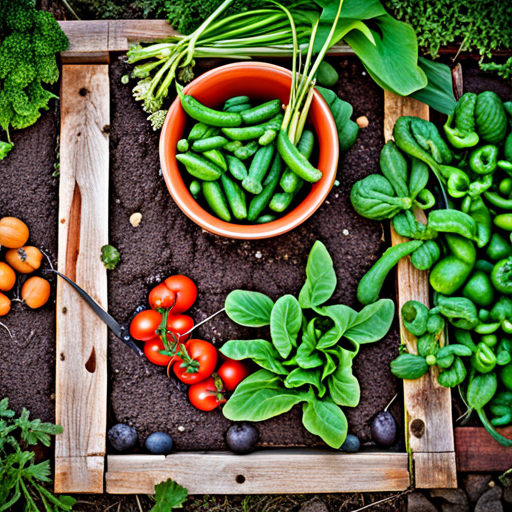
Spring is the perfect time to start planting your own garden. Nothing feels more satisfying than being able to harvest your own fresh vegetables and herbs. But before you start digging, it’s important to know the right time to plant and which vegetables are best suited for your area. With this guide I will provide you with all the necessary information you need for planting a spring garden for zone 7-8.
Gardening Zone 7-8
Zones 7-8 span a wide swath of the United States, representing a diverse range of climates where gardeners can enjoy a relatively long growing season. Zone 7 covers parts of the Pacific Northwest, including Oregon and Washington State, as well as much of the mid-Atlantic region, extending from Virginia and North Carolina to Arkansas and across to eastern parts of Oklahoma and Texas. Zone 8, with its milder winters, encompasses parts of the West Coast, including California, and stretches through the southern states such as Georgia, Mississippi, and Alabama, up to the Carolinas and into the Pacific Northwest, including parts of Washington. These zones provide a favorable environment for a variety of plants, thanks to their moderate spring and fall temperatures, and typically warm, but not sweltering, summers.
Best Time to Plant in Zones 7-8
For gardeners in zones 7-8, timing is essential to ensure your plants thrive. The last frost dates in these zones typically occur between late March and early April, making this the crucial period to start focusing on your garden. Starting seeds indoors six to eight weeks prior to the last expected frost gives you a head start, allowing seedlings to become strong enough to withstand outdoor conditions. Vegetables like tomatoes and peppers benefit greatly from this early start. For those who prefer to plant seeds directly outdoors, wait until the threat of frost has passed and the soil temperature has warmed to at least 60°F (15°C) to ensure proper germination. Cool-season crops like peas, spinach, and some lettuces can be sown directly into the ground a bit earlier, as they can tolerate cooler soil and air temperatures.
Top Ten Vegetables for Spring Garden Zones 7-8
When planning your spring garden in zones 7-8, consider these top 10 vegetables that are well-suited to the conditions of these areas. Each of these vegetables will not only thrive in the moderate temperatures of zones 7 and 8 but will also offer a rewarding and bountiful harvest for your spring and summer table.
Tomatoes and Peppers
Tomatoes are a staple for any home garden in zones 7-8, delivering juicy, flavorful fruit ideal for a variety of dishes. To get the best start, sow tomato seeds indoors 6-8 weeks before the last expected frost date. Choose determinate varieties for a more controlled and compact growth, or indeterminate types for a season-long harvest. Tomatoes require plenty of sunlight—at least 6-8 hours daily—and appreciate a bit of support from stakes or cages as they grow. Be sure to harden off your seedlings by gradually acclimating them to outdoor conditions before planting them in the ground once the soil temperature is consistently above 60°F (15°C). Regular watering and occasional fertilizing will yield a lush crop ready to be enjoyed throughout the summer months. Click here for more in depth post on growing tomatoes.
Peppers, ranging from sweet to hot varieties, are another excellent choice for gardeners in zones 7-8 due to their love of warm weather. Like tomatoes, pepper seeds should be started indoors 6-8 weeks before the last frost date to ensure they’re ready for transplanting. When moving them outdoors, make sure the soil temperature is consistently above 60°F (15°C) as peppers are sensitive to cold. These plants require similar growing conditions as tomatoes, with plenty of sunlight and regular watering to keep the soil moist but not waterlogged. Introduce your pepper plants gradually to outdoor conditions to reduce transplant shock, a process known as hardening off. With the right conditions, peppers will produce a vibrant and spicy addition to your summer meals. Click here for more in depth post on growing peppers.
Cucumbers and Squash
Cucumbers are a refreshing choice for gardeners in zones 7-8, ideal for both salads and pickling. They prefer to be sown directly into warm, well-draining soil after the last frost has passed and the ground is sufficiently warm—typically when soil temperatures reach at least 70°F (21°C). Cucumbers are heavy feeders and benefit from regular fertilization and consistent moisture. They are vine plants and can take up a lot of space; so consider growing them vertically on trellises or fences to save room. Be vigilant for pests like cucumber beetles and take measures to protect your plants if necessary. With the right care, cucumbers will produce prolifically, offering a refreshing crunch to your summer dishes. Click here for more in depth post on growing cucumbers.
Squash, both summer and winter varieties, are well-suited to the growing conditions in zones 7-8. Summer squash, like zucchini and yellow squash, should be planted after the last frost when the soil has warmed to at least 70°F (21°C). These plants can be quite prolific, so a few plants may be sufficient to provide a steady harvest throughout the season. For winter squash, which includes varieties like butternut and acorn, start seeds indoors a few weeks before the final frost or plant them directly in the soil after the last frost date.
Squash plants need plenty of room to grow, as their vines spread widely, and they also require consistent moisture, especially during fruit development. Adequate spacing between plants will promote air circulation and reduce the risk of fungal diseases. Harvest summer squash when they are young and tender and winter squash when the rind is hard, for a versatile and tasty addition to your garden bounty. Click here for more in depth post on growing squash.
Beans and Beats
Beans are an excellent crop for gardeners in zones 7-8, known for their hardiness and rapid growth. There are two main types: bush beans, which grow in compact clusters, and pole beans, which climb and require support. For best results, sow bean seeds directly into the soil after the danger of frost has passed and the soil temperature is at least 60°F. Bush beans can be sown in succession every two weeks to extend the harvest window. Pole beans will need a trellis or some form of staking to support their growth. Beans prefer full sunlight and well-drained soil, and they fix nitrogen in the soil. Which can benefit other plants in your garden rotation. Regular harvesting when the pods are young and tender ensures continuous production throughout the growing season. Click here for more in depth post on growing beans.
Beets are a vibrant and nutritious addition to the spring garden in zones 7-8. With the added benefit of having both edible roots and greens. Sow beet seeds directly into well-prepared soil. That is loose and free of large stones to allow for proper root development. Ideally, soil temperatures should be at least 50°F for optimal germination.
Beets are not particularly fussy about soil fertility. But they do require consistent moisture to prevent the roots from becoming woody. Thinning the seedlings is essential to give each plant enough room to mature. A process that can also yield tender young greens perfect for salads. The roots are ready to harvest when they are approximately the size of a golf ball to a tennis ball, depending on the variety. Regular harvesting and succession planting every 2-3 weeks can ensure a continuous supply of fresh beets throughout the growing season. Click here for more in depth post on growing beets.
Carrots and Radishes
Carrots are a beloved root vegetable for many gardeners in zones 7-8. Due to their sweet flavor and versatility in the kitchen. For a successful carrot crop, it is crucial to start with deeply tilled, stone-free soil to prevent misshapen roots. Sow carrot seeds directly into the soil, as transplanting can damage their fragile roots. Planting should occur as soon as the soil can be worked in the spring. With soil temperatures ideally above 45°F (7°C).
Carrot seeds are tiny, so planting them sparingly can help reduce the need for excessive thinning later on. Carrots do well in full sun but can tolerate partial shade. Keep the soil consistently moist, especially during seedling establishment and root development. Harvest carrots when they’ve reached the desired size. Typically finger-width or larger, and enjoy their natural sweetness fresh from the garden or in a variety of dishes. Click here for more in depth post on growing carrots.
Radishes are a fast-growing crop, ideal for impatient gardeners and perfect for intercropping with slower-growing vegetables in zones 7-8. They can be sown directly into cool soil early in the spring and again in the fall as temperatures drop. Radishes germinate quickly and can be ready to harvest in as little as 3-4 weeks. They prefer well-drained soil with consistent moisture to develop their characteristic crunch and peppery flavor. Sow radish seeds sparingly to avoid overcrowding, which can lead to smaller bulbs, and thin them early if necessary. Radishes can be harvested when they are about the size of large marbles. Also continuous planting every week or two will provide an ongoing supply. In addition to their bulbs, radish greens are edible, adding a nutritious and spicy punch to salads. Click here for more in depth post on growing radishes.
Spinach and Lettuce
Spinach is a nutrient-packed powerhouse suitable for cool-weather planting in zones 7-8. It can be planted as an early spring crop as soon as the ground thaws. And again as a fall crop in late summer or early autumn. For optimal growth, the soil should be rich in organic matter and have a temperature of at least 40°F (4.4°C). Spinach thrives in full sunlight to partial shade. And requires regular watering to maintain even soil moisture. Which is key to preventing bolting—the premature production of flowering stalks that makes the leaves bitter. Frequent harvesting of the outer leaves encourages continuous production and can extend the harvest period. Young spinach leaves are tender and flavorful, perfect for salads and sautéing. While older leaves can be cooked in a variety of dishes. Click here for more in depth post on growing spinach.
Lettuce is one of the most ubiquitous crops in a vegetable gardener’s plot. Especially in zones 7-8, due to its fast growth and the ease with which it can be cultivated. Ideal for both spring and fall planting. Lettuce seeds should be sown directly in the garden or started indoors for an earlier crop. Preferring cooler temperatures, lettuce grows best when soil temperatures are between 45°F (7°C) and 65°F (18°C).
It’s important to select a spot with full sun to partial shade and soil that is rich and retains moisture well but still drains. With a variety of types such as leaf, romaine, iceberg, and butterhead. Gardeners can stagger planting every two weeks for a continuous harvest of crisp, fresh greens. Lettuce can be harvested at almost any stage of growth, but young leaves are often the most tender and flavorful. Click here for more in depth post on growing lettuce.
Happy Gardening!
Planting a spring garden in zones 7-8 can be rewarding and fun for gardeners of all levels. With careful planning and a little bit of luck, you can harvest your own fresh vegetables and herbs. Remember to time your planting correctly after the last frost. Choose the right vegetables, amend your soil, start some of your plants indoors, and water regularly. By following these tips, your spring garden is sure to be a success.
Please be sure to check out my Gardening Blog Post Page for more tips on all types of gardening. Including Seed Starting, Orchids, Water Gardening, Coldframe Gardening, Indoor Bulb Gardening, Hydroponics, Container Gardening, Mums, Herbs, African Violets, planting Bulbs, Flower Gardening, Vegetable and Fruit Gardening, Indoor Houseplants of all kinds, Cactus, Succulents, Hanging plants, Deer resistant plants and even Bird, Bee, Butterfly and Hummingbird Gardens!