
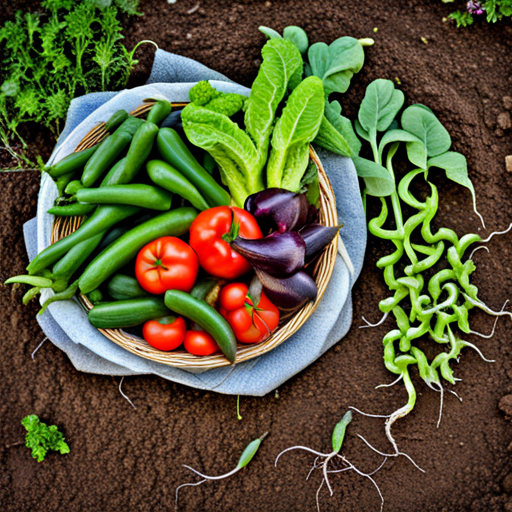
Spring is here, gardeners! And for those residing in zones 5-6, it’s the perfect time of the year to begin starting seeds indoors for spring planting. Spring is one of the most exciting times for gardeners, and the thought of creating a nutritious vegetable garden is always a rewarding endeavor. This blog post, will discuss the best vegetables for planting a spring garden for zone 5-6, and other tips to get started.
Gardening Zone 5-6
Understanding which areas of the country fall into zones 5-6 is crucial for making informed gardening decisions. Typically, these zones span across the midsection of the United States, including parts of states like Colorado, Nebraska, Iowa, and Illinois. Moreover, parts of the New England region, such as Massachusetts and Connecticut, also fall under these zones. Gardeners in these areas experience cold winters and moderate summers, which gives them a unique set of vegetables that can thrive. By referencing the USDA Hardiness Zone Map, gardeners can pinpoint their specific local zones and prepare for a successful spring garden suited to their regional climate conditions.
Best Time to Plant in Zones 5-6
Timing is everything when it comes to gardening, especially in zones 5-6 where the growing season is distinct. The best time to start your vegetable seeds indoors is typically 6-8 weeks before the last expected frost date. For these zones, the last frost date usually falls between late April and early May. Therefore, starting your seeds in late February to mid-March can give your plants a head start. As the weather begins to warm, you can transition your seedlings outdoors after hardening them off, exposing them gradually to outdoor conditions. This process helps plants to adjust and ultimately ensures a robust start for your spring vegetable garden.
Top 10 Vegetables to Plant in Zones 5-6
For avid gardeners living in zones 5-6, choosing the right vegetables to match the growing season can lead to a bountiful harvest. Here are the top ten vegetables well-suited for your spring garden:
Tomatoes and Peppers
Tomatoes – When it comes to a zone 5-6 garden, tomatoes are a prime choice due to their versatility and the variety available for planting. Starting tomatoes indoors during early spring allows gardeners to select from a wide range of options, including heirloom varieties or hybrid types tailored for disease resistance. To ensure success, it’s important to plant the seeds in well-drained, nutrient-rich soil, providing them with ample sunlight as they grow. Once the threat of frost has passed and soil temperatures have consistently warmed, these tender seedlings can then be transferred to your outdoor garden. Tomatoes enjoy the moderate temperatures of spring and will require staking or caging for support as they reach maturity, yielding juicy fruits usually by midsummer. Click here for more in depth post on growing Tomatoes.
Peppers – Like tomatoes, flourish in zones 5-6 with their love of warm seasons and come in a wide variety to spice up any garden – from sweet bell peppers to the fieriest of chilies. Starting peppers indoors is similar to tomatoes, as they require a warm, stable environment and plenty of sunlight to germinate. It’s crucial to keep the soil consistently moist and to use a seed-starting mix that is nutrient-dense to encourage healthy root development. As the days get longer and soil temperatures rise, these plants can be moved to the garden. Whether you aim for the sweet crunch of bell peppers or the zesty kick of hotter varieties, peppers not only add a blaze of color to your garden but are also packed with vitamins and minerals. Click here for more in depth post on growing Peppers.
Cucumbers and Snow Peas
Cucumbers – Known for their crisp texture and refreshing taste, cucumbers are a staple in salads and perfect for zones 5-6 gardens. They prefer the warmer soil of late spring, so starting seeds indoors about 3-4 weeks before the last frost date is ideal. Cucumbers come in vining and bush varieties, both of which require ample space or support to thrive. Ensure they’re planted in fertile soil with good drainage and full sun exposure. As cucumbers flourish, regular watering will ensure continual growth, leading to a refreshing harvest throughout the summer months. Click here for more in depth post on growing Cucmbers
Snow Peas – Snow peas are a cool-weather favorite for early spring gardens in zones 5-6. They’re one of the first vegetables that can be planted directly in the garden, as soon as the soil can be worked and the danger of hard frost has passed. These peas prefer cooler temperatures, so early planting is key to success. Snow peas require support like a trellis to grow upward, which helps maximize space and yields. Their sweet, crunchy pods are a delightful addition to spring meals, and they can also be harvested early as tender shoots for gourmet salads or stir-fries. Click here for more in depth post on growing Snow Peas.
Lettuce and Spinach
Lettuce – Lettuce is another cold-hardy vegetable that sprouts well in the chillier days of early spring in zones 5-6. It’s a fast-growing crop that can be sown directly into the garden soil. Or started indoors for an even earlier crop. There’s a wide array of lettuce types to choose from, including crisp romaine, delicate butterhead, or colorful leaf varieties. Lettuce prefers well-drained, fertile soil and some light shade to protect it from the strong midday sun. Successive planting every two weeks can ensure a continuous supply of fresh leaves for your salads all season long. Click here for more in depth post on growing Lettuce.
Spinach – Spinach is a nutrient-dense vegetable renowned for its quick growth and hardiness in cooler temperatures. In zones 5-6, it is best planted as soon as the soil can be worked in spring. Spinach can also benefit from starting indoors to extend the harvest period. This leafy green prefers full sun to partial shade and moist, fertile soil. It’s important to keep the soil moist but not waterlogged to prevent rot. High in vitamins and minerals, spinach leaves can be picked individually when they reach the desired size the plant. This allows the plant to continue producing new growth for multiple harvests. Click here for more in depth post on growing Spinach.
Carrots and Radishes
Carrots – A root vegetable that adds both crunch and color to the dinner plate, carrots are well-adapted to the temperate climate of zones 5-6. For a successful crop, carrots should be direct-seeded into the garden. As soon as the soil can be finely tilled in the spring. They prefer loose, sandy soil that allows for deep root penetration without obstacles. Full sunshine is ideal for these vegetables, though they can tolerate partial shade. Patience is key with carrots. They may take a few weeks to germinate, but maintaining even moisture during this period is crucial. Thinning the seedlings is also an important step to avoid overcrowding and to ensure proper growth of the carrot roots. Click here for more in depth post on growing Carrots.
Radishes – Offering a peppery bite, radishes are quick to mature and easy to grow, making them an excellent choice for beginner gardeners in zones 5-6. They are best sown directly in the garden, as radishes do not transplant well. The cool, moist conditions of early spring are ideal for planting. And they can be harvested as soon as three weeks after sowing. Radishes require well-drained soil and consistent watering to prevent cracking. Successive plantings every week or two will guarantee a steady supply of radishes throughout the growing season. Click here for more in depth post on growing Radishes.
Broccoli and Beans
Broccoli – Broccoli thrives in the cooler temperatures of zones 5-6, making it an excellent crop for both spring and fall. It is best started indoors around 5 to 6 weeks before the last frost date. And transplanted into the garden once the seedlings are strong enough and the danger of frost has passed. Broccoli requires rich, fertile soil with good drainage, and it benefits from full sun exposure. Regular watering and fertilization will promote robust growth. Heads can be harvested once they are firm and tight before the flowers begin to open. This ensures a tasty and nutritious addition to any meal. Click here for more in depth post on growing Broccoli.
Beans – Beans are a warm-season crop for zones 5-6, with planting recommended after all danger of frost has passed and the soil has warmed. They come in both bush and pole varieties, each requiring different spacing and support systems. Bush beans can be planted in succession every few weeks. This will prolong the harvest period, while pole beans will need a trellis or stakes to climb. Beans prefer full sun and well-drained soil, requiring moderate water. They are fast growers, providing an abundant and continuous yield throughout the summer months. As long as they are regularly picked. Click here for more in depth post on growing Beans.
Happy Gardening!
Creating a luscious spring garden in zones 5-6 is the perfect way to welcome the warmer weather. In this blog post, we’ve highlighted the top 10 vegetables to plant in your garden. But there are plenty of other options to expand your garden. Remember to use a well-drained soil mix, water consistently, and be patient. Gardening can be both relaxing and rewarding. And with the help of this blog, you’re well on your way to a beautiful and bountiful spring garden.
Please be sure to check out my Gardening Blog Post Page for more tips on all types of gardening. Including Seed Starting, Orchids, Water Gardening, Coldframe Gardening, Indoor Bulb Gardening, Hydroponics, Container Gardening, Mums, Herbs, African Violets, planting Bulbs, Flower Gardening, Vegetable and Fruit Gardening, Indoor Houseplants of all kinds, Cactus, Succulents, Hanging plants, Deer resistant plants and even Bird, Bee, Butterfly and Hummingbird Gardens!