
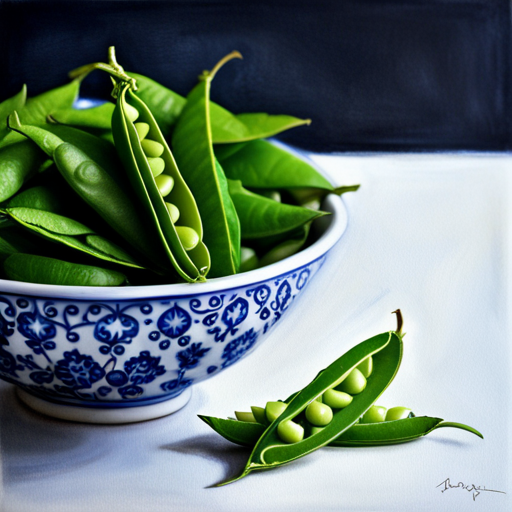
If you have a green thumb and are looking for something new to grow in your garden, snow peas are a fantastic option. These crisp and sweet pea pods are not only delicious, but they are also easy to grow. With the right preparation and growing techniques, you can get a bountiful harvest of snow peas that are perfect for stir-fries, salads, or as a healthy snack. In this blog post, we will guide you on how to grow snow peas in your garden successfully.
When to Plant Outdoors Per Zone
When planting snow peas, it’s crucial to consider the timing for your particular agricultural zone. Snow peas thrive in cooler temperatures and are often one of the first vegetables planted in the spring. In fact, they can tolerate light frosts and can be sown as soon as the soil can be worked. For gardeners in USDA zones 2-5, planting can generally take place between March and April. For those in zones 6-8, February to March is often the optimal sowing period. Lastly, in zones 9-10, snow peas can be planted in both the late fall and again in the early spring to avoid the hot summer months. Always check your local frost dates to ensure the best planting times for your area.
Preparing the Soil
Proper soil preparation is key to growing hearty snow peas. Begin with a location that receives full to partial sunlight and has well-draining soil to avoid waterlogged conditions that can lead to root rot. Enrich your garden bed with organic matter, such as compost or well-rotted manure, to improve the soil structure and provide nutrients to your snow peas. Aim for a neutral to slightly alkaline pH level between 6.0 and 7.5. If necessary, amend your soil accordingly using lime to raise the pH or sulfur to lower it. This soil meter will monitor moisture levels along with nutrients and pH levels. Additionally, ensure the planting area is free of weeds and rocks, and till the soil to a depth of 6 to 8 inches to allow for proper root development.
How to Plant
To plant snow peas, begin by choosing a day when the soil is moist but not overly wet. Erect a trellis or support system in your garden bed before sowing, as snow peas are climbing plants that will need something to grow on as they develop. Sow seeds about 1 inch deep and 2 to 3 inches apart along both sides of your trellis. If planting in rows, space the rows approximately 18 to 24 inches apart to allow for ample airflow and ease of harvesting.
Once sown, gently cover the seeds with soil and give them a light watering. Keep the soil consistently moist, but be careful not to over-water as this can cause the seeds to rot before they have a chance to germinate. With proper conditions, snow pea seeds should sprout within 7 to 10 days. As they grow, be sure to guide the tendrils onto the trellis to support their climbing habit.
Light Requirements
For successful growth, snow peas need an adequate amount of sunlight. Choose a planting site that receives full sun to partial shade, with at least 6 hours of sunlight each day. Although snow peas can tolerate some light shade, too much can result in less robust plants and reduced yields. If your garden gets a lot of shade, prioritize the morning sun, which is less intense and can help prevent mildew by drying the dew on the plants early in the day. Remember, the ideal conditions for snow peas are cool temperatures with ample light, to encourage the development of sweet and succulent pods.
Water and Fertilizer Requirements
Consistent watering is crucial for snow peas, especially during the flowering and pod development stages. Aim for at least one inch of water per week, but make sure the soil is well-drained to prevent waterlogging. A simple way to check moisture is to touch the soil; it should feel moist but not soggy. In terms of fertilization, snow peas do not require much. The enrichment of the soil with organic matter before planting typically provides sufficient nutrients. However, if your garden soil is lacking, you can apply a low-nitrogen, balanced fertilizer sparingly. Over-fertilization, particularly with nitrogen-rich fertilizers, can lead to lush foliage but poor pod development. Remember to follow the instructions on the fertilizer packaging and avoid applying too close to the plants to prevent root burn.
When and How to Harvest
Harvesting snow peas at the right time is crucial for the best flavor and texture. Ideally, you should pick snow peas when the pods are about 2 to 3 inches long and the peas inside are just starting to form. At this stage, the pods are tender and sweet. To harvest, gently hold the vine with one hand and pull the pod off with the other to avoid damaging the plant. Frequent harvesting encourages the plants to produce more pods, so ensure you check your plants every 1 to 2 days once they start producing.
Be mindful that if left too long on the vine, snow pea pods can become tough and starchy. Therefore, timely harvesting is essential. In the growing season, depending on the climate and conditions, you may be able to enjoy a continuous harvest over several weeks. Once harvested, snow peas can be eaten fresh, stored in the refrigerator for up to 5 days, or blanched and frozen for long-term storage. Remember, the more you pick, the more you’ll get, so don’t hesitate to harvest regularly!
Happy Gardening!
Growing snow peas can be a rewarding experience, and with the right preparation and care, you can have a bountiful harvest that will last several weeks. Remember to choose the right location, prepare the soil, plant the seeds, support the plants, and harvest them at the right time. With these tips, you are well on your way to growing healthy, delicious snow peas in your garden. So, roll up your sleeves, grab your gardening gloves, and get started on this fun and tasty gardening adventure!
Please be sure to check out my Gardening Blog Post Page for more tips on all types of gardening. Including Seed Starting, Orchids, Water Gardening, Coldframe Gardening, Indoor Bulb Gardening, Hydroponics, Container Gardening, Mums, Herbs, African Violets, planting Bulbs, Flower Gardening, Vegetable and Fruit Gardening, Indoor Houseplants of all kinds, Cactus, Succulents, Hanging plants, Deer resistant plants and even Bird, Bee, Butterfly and Hummingbird Gardens!