
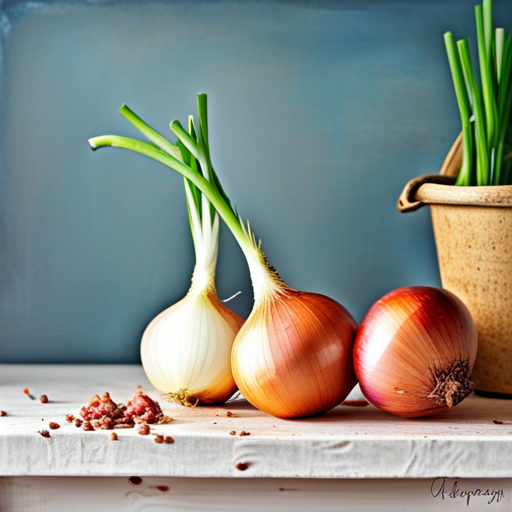
If you’re an avid gardener or even just starting, you might have thought of growing onions in your garden. Onions are a great addition to any garden because they’re low maintenance and have countless culinary uses. Growing onions might seem daunting at first, but it’s pretty straightforward once you understand the basics. In this blog post, we’ll go through everything you need to know about how do you grow onions, from choosing the right variety to harvesting the perfect crop.
Best Varieties for Success
Choosing the right onion variety is crucial for a successful harvest. Onions can be broadly classified into three categories based on daylight requirements: long-day, short-day, and day-neutral. Long-day onions thrive in northern regions with longer daylight hours, while short-day varieties are well-suited for the south. Day-neutral onions, however, can grow in most climates.
Popular varieties include ‘Walla Walla’ known for its sweetness, ‘Yellow Sweet Spanish’ that delivers large, robust bulbs, and ‘Red Burgundy’ which adds a burst of color and mild flavor to salads. For gardeners seeking ease and reliability, the ‘Candy’ onion, a day-neutral type, is an excellent all-around choice. When selecting varieties, also consider your local climate and the dish you intend to use them for – salads, grilling, or storage.
Sunlight Requirements for Onions
Onions are sun-loving plants, and for them to grow properly, they require full sun exposure. Ideally, onions need around 6-7 hours of direct sunlight daily. Adequate sunlight is essential for the development of the bulbs; insufficient sunlight may result in poor bulb production or smaller sizes. For gardeners in areas with less intense sunlight, planting in the brightest area of the garden is recommended. Additionally, ensuring that the growing area isn’t shaded by taller plants is crucial for achieving the best possible harvest.
Preparing the Soil
Before planting, properly preparing the soil is key to growing healthy onion bulbs. Onions prefer loose, well-drained soil that is rich in organic matter. Begin by tilling the soil to a depth of at least 8 inches to allow for good root growth and drainage. Amend the soil with compost or well-rotted manure to increase fertility. A soil test is highly recommended to ensure the pH level is between 6.0 and 6.8; if necessary, adjust with lime for acidic soil or sulfur for alkaline soil. Make sure to remove any weeds and work the soil until it’s fine and crumbly, which will encourage the best possible development of the onion bulbs.
Planting Onions: Spacing and Depth Guidelines
To promote a successful onion crop, proper planting is a must. Onions can be started from seeds, sets, or transplants, but no matter the method, spacing and depth are critical factors. For sets and transplants, plant each bulb so that the top is just barely peeking above the surface of the soil, approximately 1 inch deep. This allows the bulb to establish itself while preventing too deep a planting which can hinder growth. As for spacing, place onions approximately 4 to 6 inches apart with rows set about 12 to 18 inches apart. This spacing ensures adequate airflow between plants, reducing the risk of disease and giving bulbs ample room to expand.
For those choosing to start onions from seeds, sow them 1/4 inch deep in rows, thinning to the appropriate spacing as they grow. Properly spaced and planted, your onions will have a solid foundation for growth, leading to a bountiful harvest later in the season.
Watering Your Onions
Consistent watering is critical for onions to develop fully. Aim to provide at least one inch of water per week, keeping the soil moist but not waterlogged. During the initial growth phase, regular watering helps establish strong roots. However, as the bulbs begin to form, you may reduce the frequency to help encourage robust growth. Over-watering at this stage can actually impede bulb development. If you live in a particularly dry area, consider using a mulch layer to help retain soil moisture and control weeds that compete for water.
Using Organic Fertilizers
Onions benefit from the additional nutrition provided by organic fertilizers. A balanced, slow-release fertilizer applied at planting and then periodically throughout the growing season can promote vigorous growth and large bulb size. Opt for an organic fertilizer high in potassium and phosphorus and lower in nitrogen; excessive nitrogen late in the growing season can lead to more leaf growth at the expense of the bulb. Organic options such as fish emulsion, composted manure, or bone meal can provide the necessary nutrients while also improving soil structure and biodiversity. Always follow the recommended application rates on the fertilizer package to avoid over-fertilization, which can harm your plants and the environment.
Timeframe for Onion Harvesting
Onions signal they are ready for harvest when their tops become yellow and begin to fall over. This typically occurs in late summer to early fall, approximately 100 to 175 days after planting, depending on the variety. When about half of the onion tops are fallen, bend over the remainder to encourage the bulbs to mature for another few weeks. Leave the bulbs in the ground to harden off for up to 10 days if the weather is dry. Be sure to monitor the weather forecast because if a heavy rain is coming, it might be necessary to harvest sooner to prevent rotting.
Harvesting and Storing Onions
After the onion tops have fallen and the bulbs have cured on the ground for the suggested time, it is critical to harvest them correctly to avoid damage. Gently lift the onions using a fork or shovel to loosen the soil around them, being careful not to pierce the bulbs. Once harvested, lay the onions in a single layer in a warm, airy location to fully cure for 2 to 3 weeks; a covered porch or ventilated shed works well. Curing is essential as it allows the outer layers to dry out, protecting the bulb and extending storage life.
For long-term storage, keep onions in a cool, dry place with a temperature between 35-40°F (1.5-4°C). Hang them in mesh bags or arrange them on racks to promote air circulation and to prevent moisture build-up, which could lead to rot. Avoid storing onions with fruits like apples and pears, as their ethylene gas can accelerate spoilage. Properly cured and stored onions can last for several months, providing a taste of the harvest well into winter.
Happy Gardening!
Growing onions might seem like a daunting task, but with a little know-how, you can easily grow a bountiful harvest in your garden. Remember to choose the right variety for your region, plant them in well-draining soil, and provide them with regular care and maintenance. With these tips and tricks, you’ll be on your way to harvesting sweet, delicious onions you can be proud of.
Please be sure to check out my Gardening Blog Post Page for more tips on all types of gardening. Including Seed Starting, Orchids, Water Gardening, Coldframe Gardening, Indoor Bulb Gardening, Hydroponics, Container Gardening, Mums, Herbs, African Violets, planting Bulbs, Flower Gardening, Vegetable and Fruit Gardening, Indoor Houseplants of all kinds, Cactus, Succulents, Hanging plants, Deer resistant plants and even Bird, Bee, Butterfly and Hummingbird Gardens!