
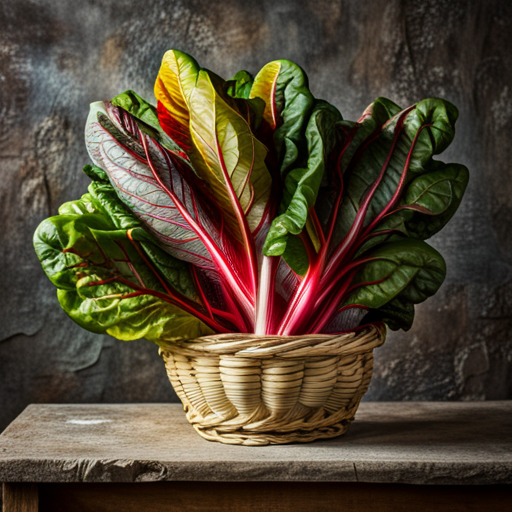
Swiss chard is a prolific and versatile vegetable that is easy to grow and maintain. It is packed with essential nutrients such as vitamins K, A, and C, and minerals like iron and potassium. Additionally, Swiss chard is an excellent addition to any garden because of its beautiful and colorful leaves. As a gardener, you’re in for a treat when it comes to growing Swiss chard since it’s low maintenance and incredibly easy to grow. In this blog post, we’ll be discussing everything you need to know about how do you grow Swiss chard so that you can have a successful harvest.
Preparing the Soil
To ensure your Swiss chard thrives, preparing the soil with care is crucial. Swiss chard prefers a well-draining soil rich in organic matter. Begin by working the soil to a depth of at least 8 to 10 inches to accommodate the deep roots, breaking up any large clumps and removing stones that may hinder growth. Incorporate a generous amount of compost or aged manure to provide nutrients and improve soil structure. If your soil is heavy clay or too sandy, consider adding peat moss or vermiculite to balance moisture retention and aeration. Check the soil pH as well; Swiss chard grows best in a slightly acidic to neutral pH range (6.0 – 7.0). Properly prepared soil will not only support the growth of your Swiss chard but also boost its resilience against pests and diseases. This soil test kit measures pH and nutrient levels along with moisture levels.
Sunlight Requirements for Swiss Chard
Swiss chard is a plant that thrives when it gets plenty of sunlight. For optimal growth, it requires full sun, which means it should receive at least 6 hours of direct sunlight each day. However, Swiss chard is also quite adaptable and can tolerate partial shade, especially in warmer climates where the afternoon sun might be too intense. In these situations, providing some shade during the hottest part of the day can help prevent the leaves from wilting. Aim for a balance of exposure, ensuring your plants get adequate sunlight while avoiding the extremes of continuous intense heat.
Planting Swiss Chard
Planting Swiss chard can be done either by direct seeding in the garden or by starting seeds indoors and transplanting them later. If direct seeding, sow the seeds about half an inch deep into the prepared soil, spacing them about 3 inches apart. As the seedlings grow, thin them to stand 8 to 12 inches apart to give them enough room to mature.
If starting indoors, plant the seeds in individual pots or trays filled with seed starting mix, and transplant them into your garden once they have developed a couple of true leaves and the risk of frost has passed. Whether direct seeding or transplanting, ensure to water gently but thoroughly to settle the soil around the seeds or seedlings. Mulch around the plants can help retain soil moisture and keep weeds at bay. With the proper planting technique, you’ll be on your way to harvesting your own Swiss chard leaves in no time.
Watering and Fertilizing Swiss Chard
Swiss chard requires consistent moisture to ensure steady growth, particularly during the seedling and early development stages. Aim to water deeply once or twice a week, allowing the soil to dry out slightly between waterings. Over-watering or allowing the plants to sit in water can lead to root rot, so it is important to strike the right balance.
As for fertilizing, a balanced, organic fertilizer applied once a month can greatly benefit Swiss chard. Choose a fertilizer with equal parts nitrogen, phosphorus, and potassium to encourage lush, healthy leaves and strong root development. Additionally, side-dressing the plants with compost throughout the growing season can provide a slow-release source of nutrients, further promoting vibrant growth. Always remember to water the plants after fertilizing to aid in nutrient absorption and prevent root burn from any concentrated spots of fertilizer.
Managing Pests in Swiss Chard
Swiss chard, although generally hardy, can fall prey to common garden pests such as aphids, cutworms, and leaf miners. Aphids can be controlled by spraying a strong jet of water to knock them off the plants, or by introducing beneficial insects like ladybugs that feed on them. For cutworms, place collars around the seedlings to protect them during their vulnerable stages. Leaf miners, however, require a more attentive approach; monitor your plants regularly for their distinctive trails inside the leaves, and promptly remove any affected foliage. For all these pests, maintaining good garden hygiene and removing debris can go a long way in prevention. If necessary, opt for organic pesticides as a last resort, carefully following the application instructions to avoid harming the plants or beneficial insect populations.
How Do You Harvest Swiss Chard
Harvesting Swiss chard at the right time ensures that you get the most flavorful and tender leaves. The best time to start harvesting is when the leaves are about 8 to 12 inches tall, usually 45 to 60 days after planting. To harvest, simply cut the outer leaves at the base of the plant using a sharp knife or scissors, which encourages continuous growth and allows the plants to produce a steady supply throughout the growing season. Be careful not to cut more than a third of the plant at a time to keep it productive. Younger leaves are ideal for salads due to their tenderness, whereas mature leaves can be used for cooking, as they are more robust. Regular harvesting also helps to minimize pest problems and stimulates the plant to produce new foliage.
By following these harvesting techniques, you can enjoy multiple harvests from a single planting of Swiss chard.
Happy Gardening!
Growing your Swiss chard can add a healthy and flavorful touch to your meals. It’s easy to grow, versatile, and packed with nutrients, making it the perfect addition to any garden. By following the tips above, you’ll be well on your way to a successful Swiss chard harvest. Remember to plant Swiss chard in well-draining soil, keep the soil moist, regularly weed the area, and watch out for pests and diseases. With a little bit of TLC, you can enjoy fresh Swiss chard whenever you want.
Please be sure to check out my Gardening Blog Post Page for more tips on all types of gardening. Including Seed Starting, Orchids, Water Gardening, Coldframe Gardening, Indoor Bulb Gardening, Hydroponics, Container Gardening, Mums, Herbs, African Violets, planting Bulbs, Flower Gardening, Vegetable and Fruit Gardening, Indoor Houseplants of all kinds, Cactus, Succulents, Hanging plants, Deer resistant plants and even Bird, Bee, Butterfly and Hummingbird Gardens!