
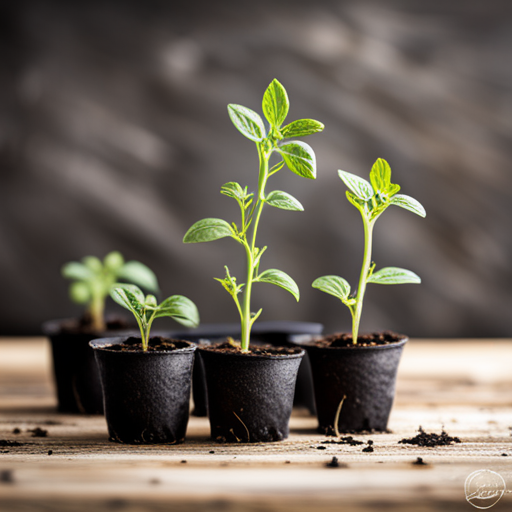
Tomatoes are one of the most popular vegetables to grow in a home garden. They are versatile, delicious, and perfect for salads, sauces, and sandwiches. But in order to enjoy juicy, ripe tomatoes, you need to start by growing them from seeds. In this blog post, we’ll discuss when and how to start tomato seeds indoors in each zone, and share some tips and tricks for a successful crop.
Best Tomato Types
Choosing the right type of tomato to grow can heavily influence the success of your crop. Here are a few of the best types of tomatoes you might consider:
- Beefsteak Tomatoes: Known for their large size and meaty texture, beefsteak tomatoes are perfect for sandwiches or grilling.
- Cherry Tomatoes: These bite-sized tomatoes are ideal for salads or snacking and often have a sweet, rich flavor.
- Roma Tomatoes: Roma, or plum tomatoes, have fewer seeds and are great for making sauces and pastes due to their thicker flesh.
- Heirloom Tomatoes: These come in a variety of shapes, sizes, and flavors. Heirlooms are often treasured for their taste and the unique traits they have been bred to maintain over several generations.
Remember, the best type of tomato to grow will also depend on your personal taste and cooking needs.
When to Start Indoors Per Zone
The timing for starting tomato seeds indoors primarily depends on your local climate and the specific growing zone you reside in:
- Zone 3: Begin seeding indoors in late February to early March. Transplant outdoors in late May to early June.
- Zone 4: Start seedlings indoors in early to mid March. Plant outdoors late May.
- Zone 5: Indoor seeding should be around mid-March. Transplant seedlings outdoors around late May.
- Zone 6: Initiate indoor seeding in late March. Move the plants outdoors in early June.
- Zone 7: Start seeds indoors in early April. Plant outdoors in late May to early June.
- Zone 8 and higher: If you live in a warm climate zone (8 and up), you can start the seeds indoors in late February and transplant them outdoors in early April.
Remember, these are just general guidelines, and the exact timing may vary based on the specific variety of tomato you’re growing and the unpredictability of weather patterns. Always check the back of your seed packet for more specific instructions.
Choosing the Right Soil for Seed Starting
Selecting the right soil is a fundamental step to ensure successful seed starting. For tomatoes, a light, well-draining, and nutrient-rich soil is most beneficial. A good option to consider is a specialized seed starting mix, which is sterile, lightweight, and generally free from diseases and pests. It’s designed to hold just the right amount of moisture for seed germination.
Avoid using garden soil for starting tomato seeds indoors as it tends to be heavy and may contain disease organisms that could harm the delicate seedlings. Also, consider adding some compost to the mix for an extra nutrient boost. A good mix is one part compost, one part peat moss and 1 part vermiculite or perlite.
Once the tomato seedlings have developed their first set of true leaves, you may want to transplant them into a larger container with a slightly heavier soil mix to better support their growing root systems. Remember, the soil plays a crucial role in your tomatoes’ growth, so choose wisely!
What to Start Your Tomato Seeds In
Selecting the right container to start your tomato seeds in is as important as choosing the right soil. The container should be deep enough to allow the roots to grow and sturdy enough to hold the soil and the plant. Common choices include peat pots, seed trays, or even simple plastic cups with holes drilled in the bottom for drainage.
Peat pots are an excellent option as they are biodegradable and can be planted directly into the garden, minimizing transplant shock. Seed trays, on the other hand, are good for starting a large number of seeds in a small space.
If you’re using a homemade option like plastic cups, make sure they are clean and have good drainage. Regardless of the type of container, it’s a good idea to start your seeds in individual cells or pots to prevent root damage when transplanting.
Remember, no matter what you choose, proper drainage is essential. Overwatering is a common mistake in seed starting and can lead to “damping off,” a fungal disease that is fatal to seedlings. Therefore, whatever container you choose, ensure it allows excess water to escape.
Transplanting Tomato Seedlings Before Moving Outdoors
Once your tomato seedlings have developed a strong root system and at least two sets of true leaves, it’s time for them to be transplanted into larger containers before eventually moving them outdoors. This intermediate step is necessary to provide the young plants with enough space to grow and establish a robust root system, vital for their survival once planted in the garden.
Consider using plastic or biodegradable pots that are 3-4 inches in diameter. Make sure they have drainage holes to prevent waterlogging. Fill these pots with a high-quality potting soil mix that is rich in organic matter, which will provide your seedlings with the necessary nutrients for healthy growth. Remember not to bury the stem too much while transplanting; the soil level should be just below the first set of leaves.
Keep these pots in a warm and bright location, but avoid direct sunlight initially to prevent the risk of ‘sun scorch’. Once the seedlings have adjusted to their new pots (usually in about a week), gradually increase their exposure to sunlight to harden them off and prepare them for outdoor conditions. This step of transplanting your seedlings into bigger containers before moving them outdoors is essential to ensure a healthy, productive tomato crop.
How Much Light Do Seedlings Need
Proper lighting is an essential aspect of seedling development. Tomato seedlings typically need around 12-16 hours of light per day. This illuminance is crucial for photosynthesis, the process that allows plants to convert light into energy for growth.
Have your seedlings near a sunny, south-facing window if possible. If natural light isn’t sufficient, considering using artificial light sources, such as grow lights.
Using Grow Lights for Seedlings
Grow lights can provide an optimal light spectrum for photosynthesis and can be controlled to provide the right amount of light exposure. When using grow lights, place them 2-4 inches above the seedlings and raise the light as the plants grow to maintain this distance. This proximity is essential to ensure that your seedlings get enough light without burning them.
Ensure that the lights are on for approximately 14-16 hours per day, and then turn them off for 8-10 hours to simulate a natural day-night cycle. Using a timer can help maintain this schedule without the need for manual intervention. Remember, meeting the light needs of your tomato seedlings is a vital step for their healthy development and will contribute significantly to a successful crop!
Temperature Requirements for Tomato Seedlings
The temperature plays a crucial role in tomato seedling development. Tomato seeds require a consistent soil temperature of about 15-30 degrees Celsius (or 60-85 degrees Fahrenheit) to germinate effectively. Once the seedlings emerge, they prefer slightly cooler temperatures of around 20-24 degrees Celsius (or 65-75 degrees Fahrenheit) during the day and around 15-17 degrees Celsius (or 60-63 degrees Fahrenheit) at night. This ThermaPro Hygrometer measure both temperature and humidity levels.
Avoid exposing young seedlings to temperate extremes. Cold temperatures can stunt growth or even kill young plants, while excessively hot conditions can cause wilting or prevent fruit set. Therefore, it’s critical to monitor and manage the temperature of your growing environment to ensure optimal development.
If you’re starting your seeds indoors, consider using a heat mat to maintain the soil at the desired temperature range. As your plants grow and you prepare to move them outdoors, make sure to ‘harden off’ your plants by gradually exposing them to outdoor conditions. This step helps the seedlings adjust to varying outdoor temperatures, reducing transplant shock. Remember, maintaining the right temperature for your tomato seedlings is as important as providing proper light and water, contributing significantly to a successful harvest.
Watering and Fertilizing Your Tomato Seedlings
Proper watering and fertilization are critical for the healthy growth of your tomato seedlings.
Watering Your Seedlings
When it comes to watering, maintaining a balance is crucial. Tomato seedlings prefer well-drained soil that is moist but not waterlogged. Overwatering can lead to root rot and other fungal diseases. Water your seedlings when the top layer of the soil feels dry to the touch. Using a watering can with a narrow spout can help direct the water to the roots, keeping the leaves dry and helping to prevent potential disease issues.
Fertilizing Your Seedlings
Once your seedlings have developed their first set of true leaves, it’s time to start regular fertilizing. A balanced, water-soluble fertilizer is a good choice for tomato seedlings. Look for a fertilizer with a balanced ratio of nitrogen, phosphorous, and potassium, such as a 10-10-10 or 14-14-14 formula.
Fertilize your seedlings once every two weeks, mixing the fertilizer according to the package instructions. Before applying the fertilizer, water the plants lightly to help prevent the fertilizer from burning the roots.
Remember, while fertilizer is crucial for the growth and health of your tomato seedlings, more is not always better. Over-fertilizing can cause problems, such as excessive leaf growth at the expense of fruit production. As with watering, you’ll want to strike a balance: provide enough nutrients for healthy growth, but avoid overdoing it.
By following these tips and ensuring your seedlings get adequate water and nutrients, you’ll be on your way to a successful, bountiful tomato harvest.
Happy Veggie Gardening!
With these tips and tricks, you’re well on your way to a successful seed starting for tomatoes. Remember to choose the right seeds, time your seed starting properly, use well-draining soil and the right containers, provide warm temperatures and bright light, and transplant the seedlings carefully. By following these steps, you will be rewarded with a bountiful tomato harvest all summer long.
Please be sure to check out my Gardening Blog Post Page for more tips on all types of gardening. Including Seed Starting, Orchids, Water Gardening, Coldframe Gardening, Indoor Bulb Gardening, Hydroponics, Container Gardening, Mums, Herbs, African Violets, planting Bulbs, Flower Gardening, Vegetable and Fruit Gardening, Indoor Houseplants of all kinds, Cactus, Succulents, Hanging plants, Deer resistant plants and even Bird, Bee, Butterfly and Hummingbird Gardens!