
Watching plants thrive and grow can be one of the most rewarding experiences for any gardener. However, sometimes we may wish to break away from the norm and add unique plants to your collection. That’s where unusual plants come into play. These plants are not only great for decoration but also serve as conversation pieces. In this blog post, we have created a list of 10 unusual houseplants to add to your collection and how to care for them.
String of Dolphins (Senecio peregrinus)

Often referred to as ‘flying dolphins’, the String of Dolphins is indeed an unusual houseplant that sparks conversation. The leaves of this succulent plant resemble miniature dolphins leaping from the waves. Its unique look is complemented by its easy-to-care-for nature. This plant thrives in well-draining soil and bright, indirect sunlight. Water it sparingly, allowing the soil to completely dry out between waterings to prevent root rot. In the right conditions, it will produce tiny star-shaped flowers with a sweet cinnamon-like aroma. This plant will certainly add a touch of whimsy to your collection.
Venus Flytrap (Dionaea muscipula)
The Venus Flytrap is known for its predatory behavior. Making it a great addition to any plant collection. This carnivorous plant captures and digests small insects and spiders in its trapping structure. Which is triggered by tiny hairs on their inner surfaces. Despite their carnivorous nature, Venus Flytraps still require sunlight and should be kept in a spot with bright, indirect light for the best results. They prefer moist, but not waterlogged. And should be watered with distilled water, rainwater, or reverse-osmosis water as tap water can be harmful to them. A Venus Flytrap will surely give your houseplant collection a unique, exotic touch.
Medusa Head Euphorbia (Euphorbia flanaganii)
The Medusa Head Euphorbia is a unique, eye-catching succulent that resembles the mythical creature Medusa. With its tentacle-like arms radiating from the center of the plant. This unusual appearance makes it an interesting choice for any enthusiast looking to add to their collection. The Medusa Head thrives in sunny to partly shady conditions. It prefers well-drained soil and, like most succulents, should be watered sparingly. Only water when the soil has completely dried out, as overwatering can lead to root rot. Despite its somewhat menacing name, this plant is an attractive and fascinating addition to any houseplant collection. Providing a unique blend of mythology and botany.
Heart Hoya (Hoya kerrii)

The Heart Hoya, also known as the Valentine Hoya, is a distinctive houseplant that stands out due to its heart-shaped leaves. This plant, native to Southeast Asia, is a wonderful gift for loved ones. Or a unique addition to any houseplant collection. The Heart Hoya is a climbing vine that in its natural habitat can grow incredibly long. Although as a houseplant it typically remains fairly compact. It enjoys bright, indirect light and well-draining soil. Care should be taken not to overwater this plant. Allow the soil to dry out completely between waterings. While the Heart Hoya is a slow grower, it’s long-lasting. Making it a testament to enduring love and an unusual yet charming plant to have in your collection.
Snake Plant (Sansevieria trifasciata)
The Snake Plant, also known as the Mother-In-Law’s Tongue, is a uniquely beautiful and unusual houseplant. It is known for its tall, erect leaves that have striking patterns. It’s often noted for its hardiness and low maintenance requirements, making it an ideal choice for both beginner and seasoned gardeners. The Snake Plant thrives in a variety of lighting conditions, ranging from low light to full sun, although it prefers indirect light. The plant is drought-resistant and does not require frequent watering, making it an excellent option for those who occasionally forget to water their plants. In fact, it’s better to under-water than over-water this plant as too much water can cause the roots to rot. Beyond its easy care, the Snake Plant is also known for its air-purifying qualities. Making it not just an unusual, but a beneficial addition to your houseplant collection.
Rattlesnake Plant (Calathea lancifolia)
The Rattlesnake Plant, a member of the Calathea family, is a visually stunning houseplant known for its distinctive, lance-shaped leaves that boast a beautiful pattern reminiscent of a rattlesnake’s scales. It has a unique visual appeal is further enhanced by the stunning purple undersides of the leaves, which are revealed as the plant’s leaves fold up at night, giving it a dynamic element. The Rattlesnake Plant thrives in conditions mirroring a tropical environment. It prefers a warm climate, high humidity, and indirect light. It’s important to water this plant regularly, keeping the soil consistently moist but not waterlogged. Also, the Rattlesnake Plant prefers distilled water or rainwater, as it can be sensitive to the salts and minerals found in tap water. With its striking appearance and dynamic behavior, the Rattlesnake Plant adds an element of the exotic and unusual to any plant collection.
String of Pearls (Senecio rowleyanus)
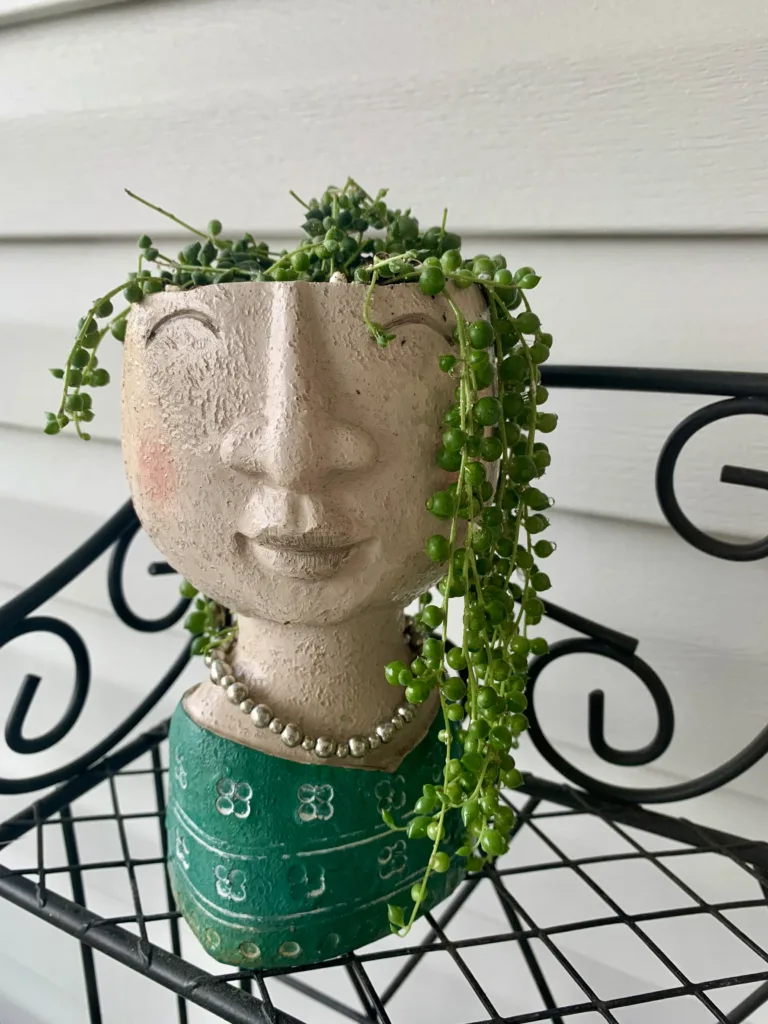
The String of Pearls, also known as ‘String of Beads’ or ‘Rosary’, is a unique indoor plant that is prized for its cascading vines adorned with spherical, pea-like foliage. Just as the name suggests, the leaves of this succulent resemble a stunning string of green pearls. The String of Pearls is a wonderful choice for hanging baskets or pots where its trailing vines can be fully appreciated. It prefers bright, indirect light and does well in relatively dry conditions, typical of most succulents. Water this plant sparingly, allowing the soil to dry out completely between watering sessions to prevent root rot. With patience and proper care, the plant may produce small white flowers with a pleasant, cinnamon-like scent. The String of Pearls is a great addition to any houseplant collection, offering a touch of whimsy and charm.
String of Bananas (Senecio radicans)
The String of Bananas, a close relative to the String of Pearls, is a captivating houseplant known for its cascading vines adorned with banana-shaped foliage. This unusual leaf shape gives the plant its common name and makes it an intriguing addition to any indoor garden. The String of Bananas is a succulent that thrives in bright, indirect light and requires well-draining soil to prevent root rot. Overwatering should be avoided; instead, allow the soil to dry completely before the next watering.
This plant is a great choice for hanging baskets or containers due to its trailing vines. The String of Bananas is not only visually appealing but also low-maintenance, making it an ideal choice for both experienced and novice gardeners. Its unusual appearance and easy care make it stand out in any houseplant collection.
Corkscrew Plant (Albuca spiralis)
The Corkscrew Plant, also known as Albuca spiralis, is an unusual houseplant prized for its distinct, spiraling leaves that twist and turn, creating a unique, corkscrew-like appearance. Native to South Africa, this bulbous plant is a conversation starter in any houseplant collection. The Corkscrew Plant thrives under full sun to partial shade, making it versatile for various light conditions. It prefers well-draining soil and requires a watering regime similar to that of most succulents – meaning the soil should be allowed to dry out between watering sessions. Overwatering can lead to bulb and root rot. In late spring to early summer, this plant may produce small, vanilla-scented flowers that add to its charm. The Corkscrew Plant, with its fascinating shape and growth pattern, introduces a whimsical, almost surreal element to any indoor plant collection.
Desert Rose (Adenium obesum)
The Desert Rose, scientifically known as Adenium obesum, is an exotic houseplant celebrated for its strikingly beautiful, trumpet-shaped flowers and bulbous stem. The plant earns its name from its vibrant, rose-like blossoms, and it’s native to the arid regions of Africa and the Arabian Peninsula. Its swollen stem, or caudex, serves as a water reservoir, allowing the plant to thrive in drought-like conditions. The Desert Rose prefers full sunlight and warm temperatures, making it a perfect choice for a sunny window sill. Watering should be moderate, allowing the plant to dry out completely between watering sessions to avoid root rot. The Desert Rose is deciduous, meaning it will lose its leaves during its winter dormancy period. This unique plant not only brings an exotic touch to any houseplant collection, but its vibrant blooms can also add a splash of color to your indoor garden.
Happy Gardening!
In conclusion, adding unusual houseplants to your collection can be an exciting and unique experience. While all plants require some level of care, these plants add an element of novelty to your collection. Always research specific plant care instructions to ensure you can provide your plant with the ideal growing conditions. We hope this list inspires you to add an unusual touch to your collection!
Please be sure to check out my Gardening Blog Post Page for more tips on all types of gardening. Including Water Gardening, Coldframe Gardening, Indoor Bulb Gardening, Hydroponic Gardening, Container Gardening, Mums, Herbs, African Violets, planting Bulbs, Flower Gardening, Vegetable and Fruit Gardening, Indoor Houseplants of all kinds, Cactus, Succulents, Hanging plants, Deer resistant plants and even Bird, Bee, Butterfly and Hummingbird Gardens!