
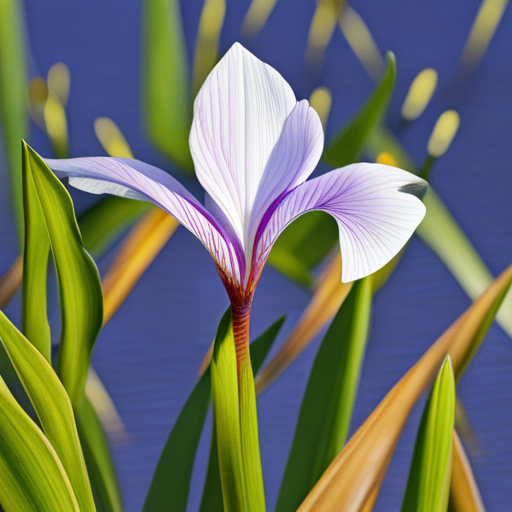
Water irises are a beautiful addition to any pond or water garden. They add a touch of color and elegance, as well as create a habitat for wildlife. But if you’re new to gardening, you may be wondering how to grow water iris. Including where to plant them, and how to care for them. In this post, we’ll cover all the basics of how to care for a water iris in koi pond or patio pond.
Where in Pond to Plant Water Iris
When considering where to plant your water iris in the pond, choose a location that is partially to fully submerged in water. They thrive best in shallow margins of the pond, ideally in water that is 2 to 6 inches deep. The plant’s crown, where the roots and leaves meet. This should sit at or slightly above the water level. Check that the chosen site gets at least six hours of sun each day as water irises need plenty of light to bloom properly. If you have a koi pond, ensure the water iris is planted in a spot that isn’t frequently disturbed by the fish.
How to Plant Water Iris in Pot or Soil
If you’re planting water iris in a pot or soil, the process is a little different. Start by selecting a suitable pot – one that is wide and shallow works best. Fill it halfway with a good quality, heavy garden soil. And avoid using a peat-based compost as it tends to float. Place the rhizome of the iris in the soil, spreading out the roots. While burying the rhizome, ensure that the top of the rhizome is slightly above soil level. Fill the rest of the pot with soil but do not cover the top of the rhizome. Water the soil well after planting.
If you’re planting directly into soil around the edge of a pond. Then just follow the same instructions but dig a hole in the ground instead of using a pot.
How to Care for Water Iris
Caring for your water iris requires some attention but is not difficult. Regularly check the water levels where your iris is planted. If the water levels fall too low, the plant’s growth may be affected. Water iris also need a good amount of light, so ensure they are receiving at least six hours of sunlight each day.
Prune back your water iris after it has finished flowering to prevent the plant from going to seed and to encourage more flowering the following year. In addition, every two to three years, consider dividing your iris. This will promote health and robustness. This involves cutting the rhizome into pieces and replanting them.
Lastly, keep an eye out for pests and diseases. Water irises may occasionally suffer from common garden pests like aphids and iris borers. Regular inspection of your plants and early intervention can keep these pests from causing significant damage. If you notice any diseased or dying parts of your plant, promptly remove them to prevent any potential spread.
How to Plant and Care for Water Iris in a Patio Container Pond
Planting water irises in a patio container pond is a splendid way to bring a dash of color and life to your outdoor setting. The process is similar to planting in a koi pond or directly into the soil. Start by choosing a suitable container – something wide and shallow would be ideal. Fill the container halfway with heavy garden soil and place the iris rhizome upon it, spreading out the roots. Ensure the top of the rhizome is just above the soil level. Cover the roots with more soil but do not bury the top of the rhizome. Finally, place the pot in the patio pond in an area that receives at least six hours of sunlight each day, ensuring that the water level is between 2 to 6 inches over the crown of the plant.
Caring for water irises in a patio container pond is also straightforward. Maintaining appropriate water levels is crucial, so check this regularly. After the blooming period, trim back your water irises to stimulate more flowering next season. Every two to three years, divide the rhizome for healthier growth. Be vigilant for pests like aphids and iris borers, and remove any diseased or dying parts of the plant promptly. With a little effort, your patio container pond can host vibrant and thriving water irises, creating a beautiful aquatic display.
Water Iris in Winter: Survival in Colder Climates
Water irises are hardy plants that can withstand winter conditions in colder climates, but they do require some special care to survive the frigid temperatures. As the cold weather approaches, trim back the leaves of your water iris to about 6 inches above the water level. This helps to prevent rot and other diseases that can set in during the winter months.
In areas where the pond or patio container is likely to freeze solid, you may need to relocate your water iris. If your water iris is in a pot, you can simply move the pot to a frost-free area such as a garage or shed. If your water iris is planted directly into the soil of a pond, consider transplanting it into a pot for the winter months, or provide an insulating layer of mulch around the pond to protect the plant.
Once the threat of frost has passed in the spring, your water iris can be returned to its usual location and will resume growth, ready to provide another season of beautiful blooms. Remember to give the plant plenty of sunlight and keep the water levels appropriate for its growth.
How to Propagate Your Water Iris
Propagation of water iris is usually done by division of the rhizomes. This method of multiplication is best carried out in late summer to early fall, after your water iris has finished blooming for the season. Begin by lifting the iris gently from the soil or pot, taking care not to damage the root system.
Once the plant is out of the soil, inspect the rhizomes closely. Healthy rhizomes are firm to touch and have a healthy white or light brown color. Discard any that are soft, rotten, or diseased.
Using a clean, sharp knife, cut the rhizome into sections, ensuring each section has at least one fan of leaves and a portion of root. Trim away any dead or damaged roots and leaves from each division.
Once your divisions are prepared, you can replant them following the same planting instructions as before. Make sure to space the divisions adequately to allow for growth. The planting depth should be such that the top of the rhizome sits at or just above the soil level. Remember to water the newly planted iris well and provide them with the necessary care as they adapt to their new environment.
With proper care and attention, these new plants will establish themselves quickly and be ready to bloom in the next growing season.
Popular Water Iris Varieties for Pond and Container Pond
Water irises come in an array of varieties, each offering unique characteristics and allure.
Iris Laevigata: Also known as Japanese Iris, it’s a striking variety with beautiful flat flowers in various shades of blue and white. It’s an extremely hardy plant that thrives in deeper water than most irises.
Iris Pseudacorus: Known as Yellow Flag Iris, it boasts golden yellow flowers that stand out brilliantly against its dark green foliage. It’s resistant to deer and other common pests.
Iris Versicolor: Commonly referred to as Blue Flag Iris, it offers delicate, soft blue to purple flowers. This North American native thrives in damp soil or shallow water.
Iris Ensata: This variety, known as Japanese Water Iris, displays large, richly colored flowers in shades of violet, pink, and white. It prefers a sunny location and is suitable for medium to large ponds or container ponds.
Iris Sibirica: Siberian Iris produces elegant, delicate flowers in a range of colors, from purples and blues to whites and pinks. It’s known for its slender, grass-like foliage and can adapt to a variety of conditions, making it a versatile choice for any water garden.
Each of these varieties has a unique charm and can add a splash of color and elegance to your pond or patio container pond. Remember to choose your variety based on the specific conditions of your garden for the best results.
Happy Water Gardening!
Water irises are a beautiful and low-maintenance addition to any water garden. Knowing where to plant, how to care for them, and how to propagate them can help you create a stunning aquatic display year after year. Whether you choose a native species or a showy hybrid, water irises are sure to bring color and vibrancy to your pond or marsh. So, go ahead and give water irises a try – you won’t be disappointed!
Please be sure to check out my Gardening Blog Post Page for more tips on all types of gardening. Including Water Gardening, Coldframe Gardening, Indoor Bulb Gardening, Hydroponic Gardening, Container Gardening, Mums, Herbs, African Violets, planting Bulbs, Flower Gardening, Vegetable and Fruit Gardening, Indoor Houseplants of all kinds, Cactus, Succulents, Hanging plants, Deer resistant plants and even Bird, Bee, Butterfly and Hummingbird Gardens!