
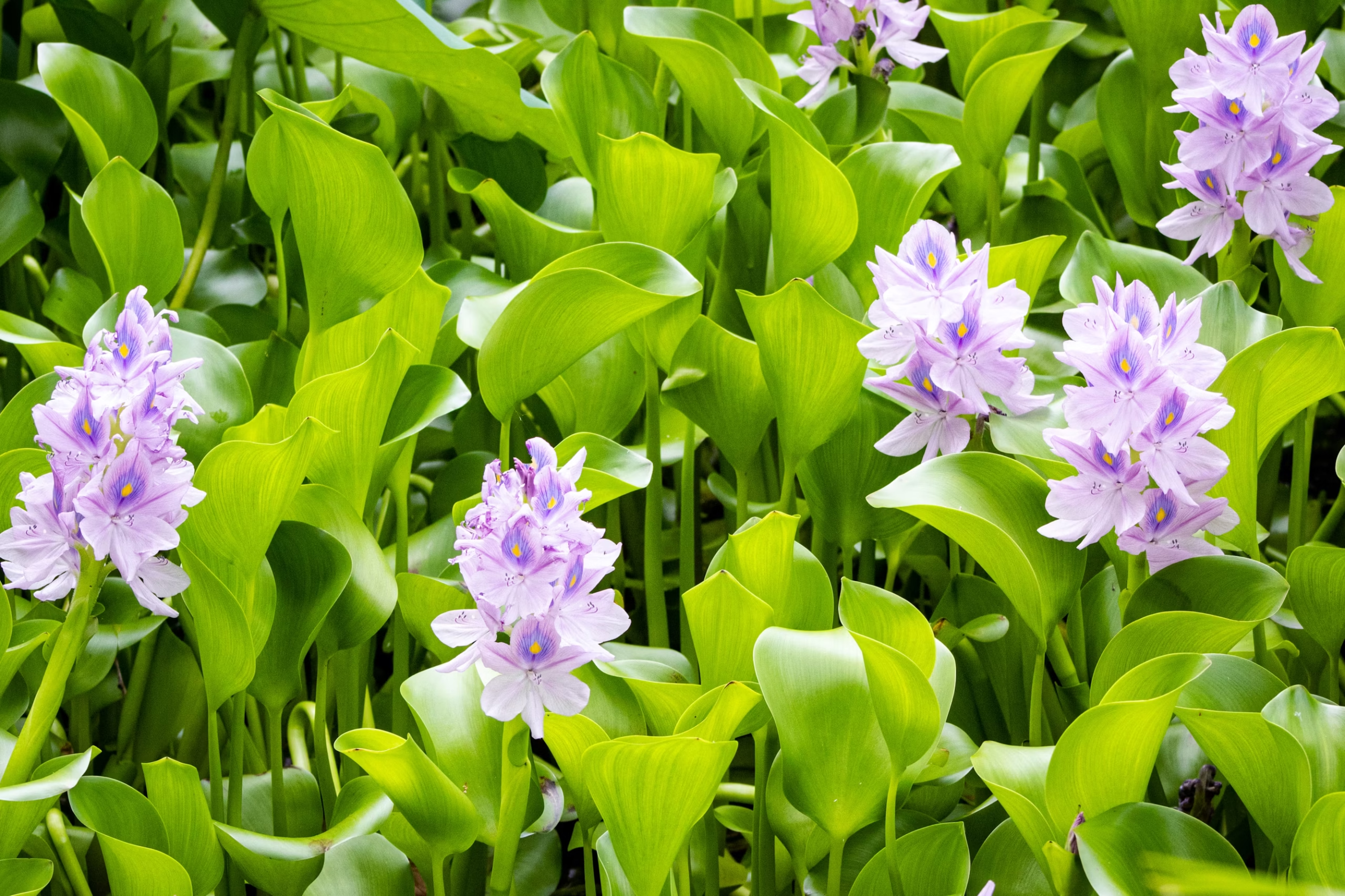
Water hyacinth is a beautiful floating plant with violet-blue flowers that can add an attractive touch to any backyard water feature. But besides its appeal, this aquatic plant is an important element in maintaining a healthy aquatic ecosystem. Water hyacinths absorb excess nutrients in the water and provide a habitat for fish and insects. In this post on water hyacinth how to grow I will give you all the information you need to get started.
Where to Purchase
Water hyacinths can often be purchased from local garden centers or nurseries that specialize in aquatic plants. However, if these are not available in your local area, numerous online retailers also sell water hyacinths. Websites like Amazon, eBay, and aquatic plant-specific online stores often have water hyacinths available for purchase. Always ensure you are purchasing from a reputable supplier to guarantee the quality and health of the plant. In some states and countries, due to its invasive nature, the sale and distribution of water hyacinth are regulated or prohibited. Therefore, before making a purchase, it’s crucial to check with your local regulations.
Growing Water Hyacinth
Growing water hyacinth is relatively straightforward, as the plant is hardy and adaptable. All they require is a body of water and ample sunlight. Simply place your water hyacinth in a pond, lake, or even a large water-filled pot. Ensure the temperature stays above 50°F (10°C) as they don’t tolerate frost. The water should be still or slow-moving. And the depth should allow the plant to float with its roots able to reach submerged nutrients.
Water hyacinths thrive in full sun, but they can tolerate some shade. They prefer nutrient-rich water. Although can benefit from the occasional addition of a water-soluble fertilizer, specifically designed for aquatic plants. Keep in mind that water hyacinths are fast growers, often doubling their population in just two weeks during the growing season. Consequently, they need to be regularly thinned out to prevent overcrowding. And to maintain the health of your aquatic environment.
Remember, though beautiful and beneficial, water hyacinths can become invasive if not properly managed. Choking out native species and altering aquatic habitats. Always monitor their growth and spread to ensure a balanced and thriving ecosystem.
Care and Maintenance
The care and maintenance of water hyacinths are relatively low-effort tasks, but they do require regular attention to ensure the plant does not become invasive. Start by monitoring the growth of your water hyacinths, and when you notice them doubling their population, it’s time to thin them out. Remove excess plants by hand and compost them, ensuring not to discard them in natural water bodies where they could potentially become an invasive species.
Keep an eye out for any signs of disease or pest infestation. If you notice yellowing leaves or slow growth, it’s possible your water hyacinths may be lacking essential nutrients. In such cases, add a water-soluble fertilizer, ensuring it is safe for any other life in your water feature. In the colder months, if the water temperature dips below 50°F (10°C), it is advisable to bring your water hyacinths indoors if possible, as they are not frost-tolerant.
Harvesting and Disposal
Harvesting water hyacinths can be as simple as lifting them directly from the water. With their rapid growth rate and potential to become invasive, regular harvesting is crucial. It’s advisable to harvest water hyacinths when they begin to crowd your water body excessively. Or when they begin to block sunlight for aquatic life beneath.
Disposal of water hyacinths should be done with care given their invasive nature. Do not toss them into any other bodies of water as this can lead to uncontrolled growth and damage to the ecosystem. The harvested plants can instead be composted in your garden. They can quickly break down, providing nutrient-rich compost for your plants. Also they can be disposed of in green waste bins provided by your city. Always ensure to follow local regulations regarding the disposal of plant material to prevent the inadvertent spread of invasive species.
Happy Water Gardening!
Growing water hyacinth is a simple and cost-effective way to maintain a healthy aquatic ecosystem in your backyard. All you need to get started is still water a warm climate and some nutrient-rich water. If you take good care of your water hyacinth, you’ll enjoy the beauty of its violet-blue flowers and the benefits it provides to your pond. So go ahead, give it a try, and let nature do the rest!
Please be sure to check out my Gardening Blog Post Page for more tips on all types of gardening. Including Water Gardening, Coldframe Gardening, Indoor Bulb Gardening, Hydroponic Gardening, Container Gardening, Mums, Herbs, African Violets, planting Bulbs, Flower Gardening, Vegetable and Fruit Gardening, Indoor Houseplants of all kinds, Cactus, Succulents, Hanging plants, Deer resistant plants and even Bird, Bee, Butterfly and Hummingbird Gardens!