
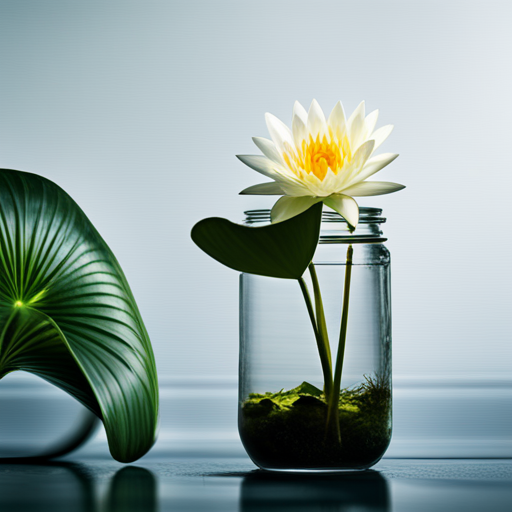
Water Lilies are a great addition to any garden, pond or patio. However, not everyone has the space for a pond or patio or even a garden. That’s where indoor gardening comes in handy. In this post, we’ll be taking a closer look at how to grow water lilies in a glasses or large vase indoors. Which is an excellent way to decorate your space and bring a bit of nature indoors. With a bit of patience and the right tools, you can create an indoor water garden that will take your breath away.
Choosing the Right Vase
Choosing the right vase is an essential first step in growing water lilies indoors. The vase’s size directly impacts the lily’s growth and blossoming capacity. Ideally, the vase should be large, with a diameter of at least 18 to 24 inches and a depth of 10 to 15 inches. A spacious vase allows the lily’s roots to spread out comfortably and access the nutrients they need. Additionally, a wider vase facilitates better water circulation, which is crucial for the lily’s overall health. Keep in mind that a clear glass vase is preferable as it allows you to monitor the plant’s root growth and water clarity. Remember, the larger the vase, the larger your lily can grow!
Preparing Soil and Pebbles
The next step in the process involves the preparation of the soil and pebbles. For soil, loamy garden soil typically serves best for water lilies and can be obtained from your local nursery or garden center. Avoid using potting soil as it can float and make the water murky. Once you’ve got your soil, place a layer about 1 to 2 inches deep at the bottom of your vase.
\As for the pebbles, they play a dual role. Not only do they contribute to the aesthetic appeal of your indoor water garden, but they also keep the soil in place. After adding the soil, you should place a layer of small, clean pebbles on top of it. The pebble layer should be thick enough to prevent soil from floating to the surface once water is added, yet thin enough to not suffocate the soil entirely. A balance here is key to successfully growing water lilies in your vase.
Planting Your Lily – What Type is Best
When it comes to selecting a water lily for your indoor vase, dwarf varieties are a perfect choice due to their compact size and less demanding nature. The Nymphaea ‘Pygmaea Helvola’ is a highly recommended dwarf variety, appreciated for its small yellow flowers and lily pads.
To plant the lily, make a small hole in the soil and place the lily’s tuber in it. The growing point of the tuber should be facing upwards, and it should sit at a slight angle. Once it’s in place, cover the tuber lightly with soil, ensuring the growing point remains exposed. Add more pebbles around the tuber for extra support if necessary.
Remember, while planting your lily, it’s crucial to handle the tuber gently to prevent any damage, as this could affect the plant’s growth. Proper placement and care during the planting process will ensure the best possible start for your indoor water lily garden.
Adding the Water
Once your vase is prepared with soil and pebbles, it’s time to introduce the water. Remember to use non-chlorinated water for your water lilies, as chlorinated water can harm the plants. If tap water is your only option, let it sit out in an open container for 24 hours to allow the chlorine to evaporate before using it.
Pour the water gently into the vase to minimize disturbance to the soil and pebble layers. Fill the vase up to about an inch from the top. This water level provides enough depth for the lily roots to stretch out and helps maintain the right water temperature for healthy growth.
It may take a day or two before the water has settled and any suspended soil particles have sunk. It’s important to wait for this settling period before you introduce your water lily to avoid damaging the plant.
Adding Fertilizer
To ensure your water lilies thrive, it’s crucial to add plant-specific aquatic fertilizer. The nutrients in regular garden soil are often insufficient for water lilies, which are heavy feeders. Water lilies rely on plenty of nitrogen and phosphorous to bloom, so look for a fertilizer that is rich in these elements.
You can buy aquatic plant fertilizer tabs from a garden center or online. These tabs are easy to use: simply push one into the soil near the roots of your water lily. Make sure to follow the instructions on the fertilizer package for the correct quantity and frequency of application. Typically, a new tab should be added every 4 to 6 weeks during the growing season. With the right nutrients, your water lilies should bloom gloriously in their glass vase environment.
Light Requirements
Water lilies thrive best with strong, direct sunlight. For indoor aquatic gardening, place your vase in a location that receives at least six hours of direct sunlight each day. South or west-facing windows are typically the best spots. If natural sunlight is insufficient, you could supplement it with artificial lighting. LED grow lights are an excellent option as they provide the full spectrum of light needed for plant growth and can be adjusted to provide the right intensity of light. Remember, adequate sunlight is crucial for your water lilies to bloom. Without enough light, the plants may grow but will likely not flower. Monitor your plants closely and adjust their light exposure as needed to ensure they remain healthy and vibrant.
Happy Gardening!
Growing water lilies in a large glass vase indoors can be a rewarding experience, and since you’re working with limited space, it’s easy to move and decorate to suit your style. It’s a great way to bring life and freshness to any room in your home While this is a relatively low-maintenance option, you do need to be vigilant about water and fertilizer management to ensure that your plant thrives. Just follow these simple steps and enjoy owning a beautiful indoor water garden.
Please be sure to check out my Gardening Blog Post Page for more tips on all types of gardening. Including Coldframe Gardening, Indoor Bulb Gardening, Hydroponic Gardening, Container Gardening, Mums, Herbs, African Violets, planting Bulbs, Flower Gardening, Vegetable and Fruit Gardening, Indoor Houseplants of all kinds, Cactus, Succulents, Hanging plants, Deer resistant plants and even Bird, Bee, Butterfly and Hummingbird Gardens!