
Are you looking to bring some greenery into your home but don’t have a lot of natural light? Don’t worry, there are plenty of indoor plants that thrive in low-light conditions. Indoor greenery not only adds a touch of nature to your space. It also has countless benefits for your health including improving air quality and reducing stress. In this post, we’ll explore the best plants that need no light and how to care for them.
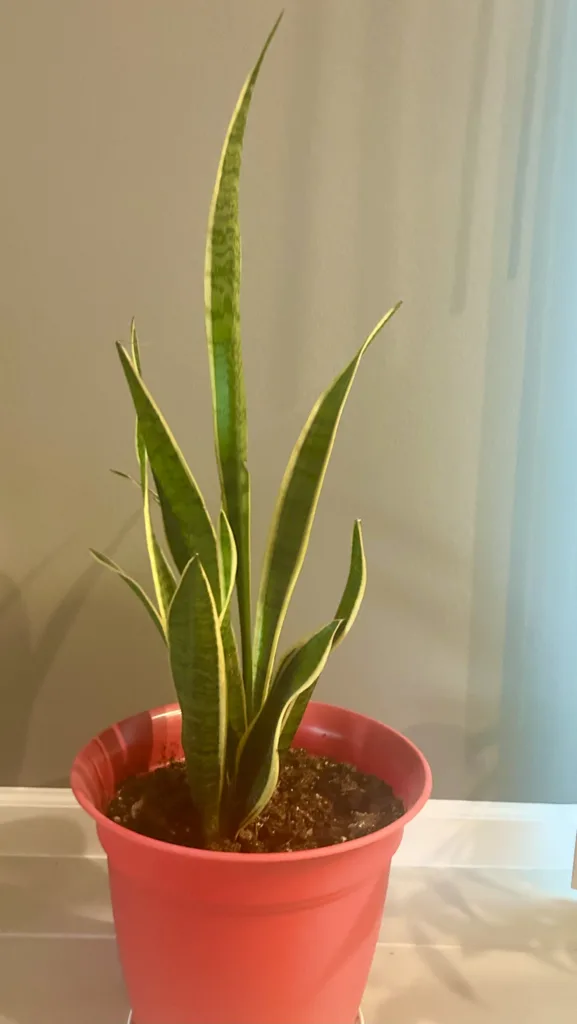
Snake Plant (Sansevieria trifasciata)
Snake Plant, also known as Mother-In-Law’s Tongue, is hands-down one of the most accommodating houseplants around. It is exceptionally hardy and can survive in a wide range of light conditions. Including very low light. This plant’s unique upright foliage, which is often banded in yellow or white, adds an architectural element to your indoor space. In addition, Snake Plants are excellent air purifiers. Removing toxins like formaldehyde and benzene from the atmosphere. When it comes to care, they are very low-maintenance. Just remember to water sparingly and allow the soil to dry out between watering to prevent root rot.
Pothos (Epipremnum aureum)
Pothos, often called Devil’s Ivy, is another low light-loving plant perfect for indoor gardening. Its heart-shaped leaves can be a stunning addition to your space. And comes in a variety of colors from solid green to marble or golden. Although it enjoys bright, indirect light, Pothos can also adapt and thrive in rooms with little to no natural light. This plant is known for its air-purifying qualities. Helping to eliminate toxins such as xylene, benzene, and formaldehyde from your surroundings. Maintaining a Pothos is relatively easy; they prefer the soil to dry out completely between waterings. Just ensure to avoid overwatering to prevent root rot. With its ability to grow in a hanging basket or climb a small trellis or pole, Pothos offers versatility in home decor as well.
ZZ Plant (Zamioculcas zamiifolia)
The ZZ Plant, or Zamioculcas zamiifolia, is well-known for its ability to endure low light conditions. Its glossy, deep green leaves can brighten up even the darkest corners of your home, adding a lush, tropical vibe. One of the reasons for ZZ Plant’s popularity is its tolerance for neglect. It’s a drought-tolerant indoor plant that stores water in its bulbous roots. Which means you can skip watering for weeks, and it will still thrive. The ZZ Plant is not just a decorative piece but also has air-purifying characteristics, reducing indoor air pollutants such as toluene and xylene. Care for your ZZ Plant by watering sparingly, allowing the soil to dry out between watering sessions to avoid root rot. Remember, this plant is a champion of low-light conditions and requires minimal maintenance, making it an ideal choice for beginner gardeners or those with busy schedules.
Peace Lily (Spathiphyllum)
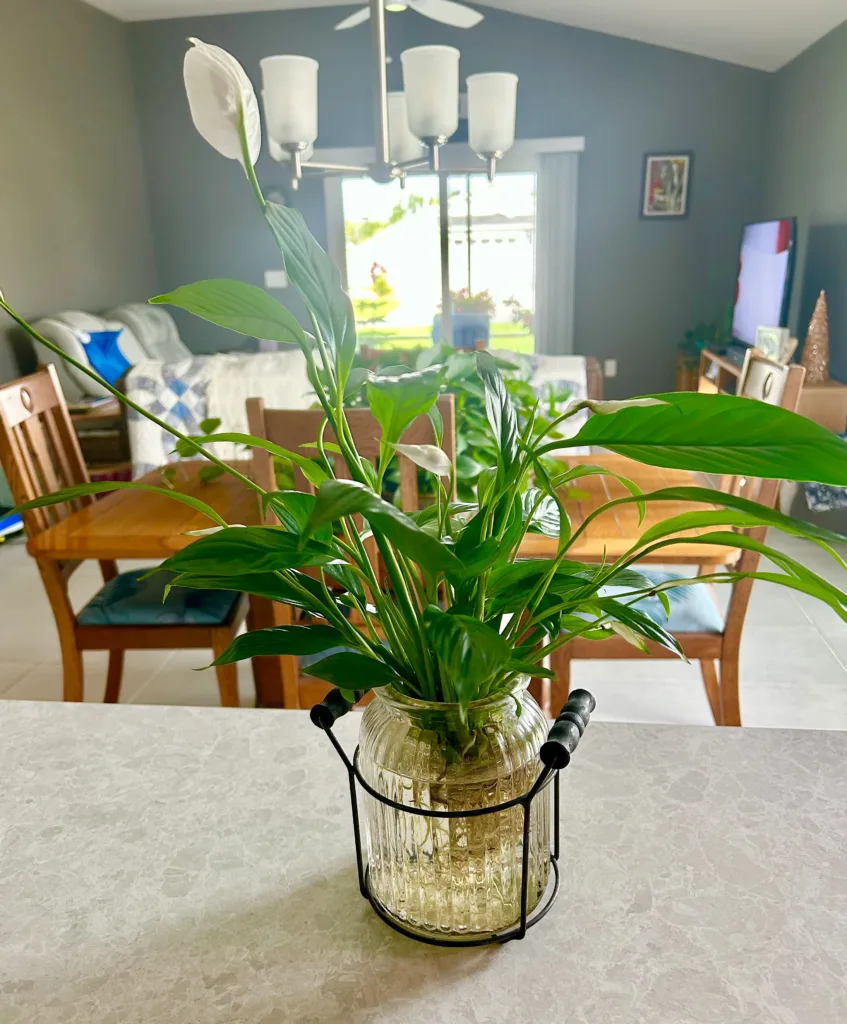
The Peace Lily is a popular choice for indoor gardening due to its attractive foliage and distinctive, white flowers that bring a touch of elegance to any space. Known for thriving in low light conditions, Peace Lilies are perfect for rooms with little natural light. They can continue to bloom in these environments, even though they would ideally prefer bright, indirect light. Peace Lilies also contribute to improving indoor air quality through the removal of toxins such as benzene, formaldehyde, and carbon monoxide.
Water these plants as soon as the soil feels dry to the touch or when you notice a slight droop in the foliage – a clear sign that your Peace Lily is thirsty. However, be careful to avoid overwatering, as this can lead to root rot. With its beautiful blooms and low-light tolerance, the Peace Lily can be an ideal addition to your indoor garden. Another plus for Peace Lily is it can be grown solely in water alone-it’s how I grow mine!
Spider Plant (Chlorophytum comosum)
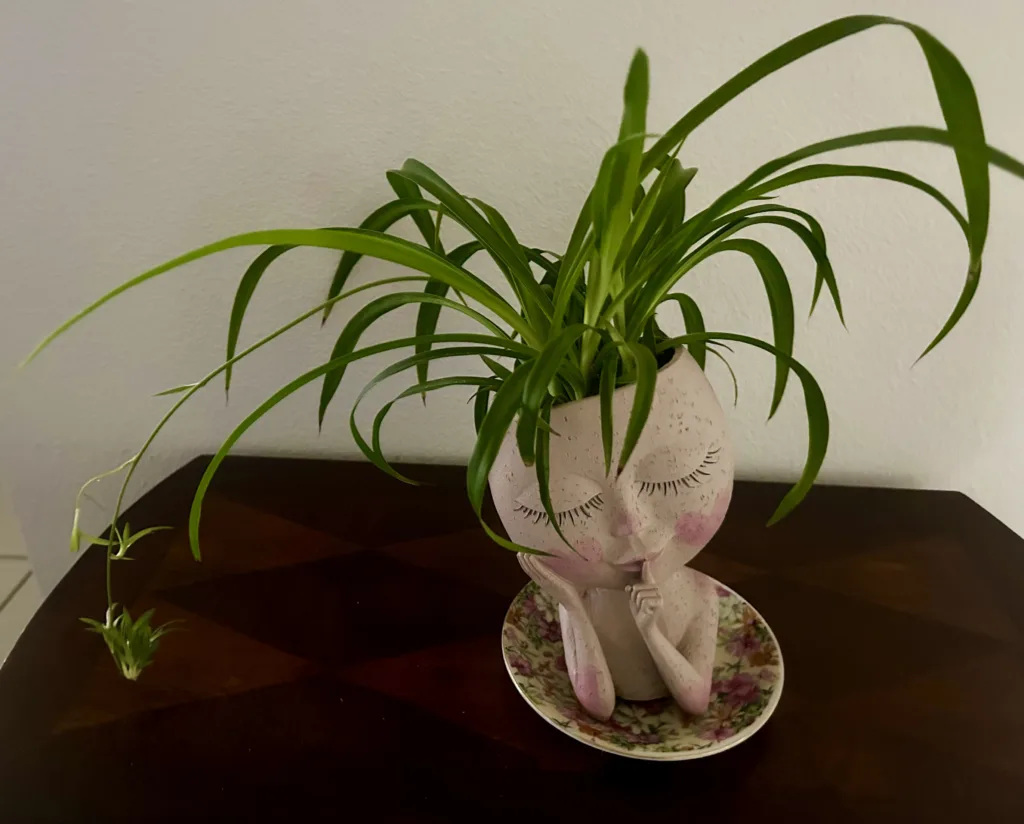
The Spider Plant, also known as Airplane Plant, boasts long, arching leaves that are green in the center with white or yellow margins, mimicking the look of a spider on its web, hence the name. This plant is a champion when it comes to surviving in low-light conditions. The Spider Plant also purifies the air by removing pollutants, such as formaldehyde and xylene, improving the overall indoor air quality. They are easy to care for and can withstand occasional water neglect, requiring only the top inch of soil to dry out between watering to prevent root rot. This non-demanding, low-light-loving plant makes a great addition to any indoor garden, particularly for those who are new to gardening or have a tight schedule.
Philodendron (Philodendron spp.)
Philodendrons are yet another group of houseplants that are well-renowned for their adaptability to low-light conditions. With a wide range of species available, Philodendrons offer a variety of leaf shapes, sizes, and colors to choose from, lending a unique charm to your indoor garden. They are not just visually appealing but are also known for their air-purifying abilities, helping to reduce indoor pollutants like formaldehyde. When it comes to caring for these plants, it’s a simple affair. Philodendrons prefer their soil to be kept moist, but not waterlogged. Make sure to allow the top inch of the soil to dry out before watering again to avoid the risk of root rot. Their preference for low light conditions and ease of care make Philodendrons an excellent choice for both novice and experienced indoor gardeners.
Dieffenbachia (Dieffenbachia spp.)
Dieffenbachia, also known as Dumb Cane, is a favored houseplant due to its attractive, broad leaves and its ability to tolerate low-light conditions. The leaves are generally green with splashes or blotches of creamy white, offering a unique aesthetic appeal. It’s an excellent choice for adding a tropical feel to your indoor space. Dieffenbachia is known to purify indoor air, helping to remove toxins such as xylene and toluene. Care for this plant involves watering once the top inch of soil has dried out while being cautious to avoid overwatering, as this can lead to root rot. Despite its tropical origins, Dieffenbachia does not require high humidity and it can withstand a certain degree of neglect, making it a wonderful addition for those seeking low-maintenance, low-light-loving plants for their indoor garden.
Dracaena (Dracaena spp.)
Dracaena, a crowd favorite among houseplant enthusiasts, is recognized for its long, strap-like leaves and its ability to thrive in lower light conditions. These plants come in various types, each boasting distinctive leaf patterns and colors that can range from solid green to a mix of green, white, or red. Dracaena does more than just beautify your home; it also serves as an effective air purifier, removing toxins such as benzene, formaldehyde, and trichloroethylene from indoor air. In terms of care, Dracaena prefers its soil to dry out slightly between waterings. Overwatering or allowing the plant to sit in water can lead to root rot. Given its low-light tolerance and low maintenance requirements, Dracaena makes a great choice for indoor gardeners, whether they’re beginners or experts.
Boston Fern (Nephrolepis exaltata)
The Boston Fern, popularly known for its lush, feathery fronds, can be a stunning addition to your indoor plant collection. It thrives in indirect light, making it a suitable candidate for rooms with less natural light. Besides being a decorative plant, the Boston Fern also improves indoor air quality by removing pollutants such as formaldehyde and xylene. However, this plant has a slightly higher upkeep than some of the others mentioned. It requires consistent moisture, so it’s critical to keep its soil damp but not soggy to avoid root rot. Furthermore, it thrives in a high humidity environment, so consider placing a humidifier close by or misting the plant regularly. With its beautiful green fronds and air purifying characteristics, the Boston Fern, despite needing a bit more care, is a delightful addition to any indoor garden.
Peperomia (Peperomia spp.)
Peperomia, often referred to as the radiator plant, offers a wide range of varieties each with unique aesthetic features such as glossy or textured leaves which can be solid green, marbled, or striped. This compact plant is known to do well in lower light conditions, making it an ideal choice for indoor spaces with limited natural light. Not only do Peperomias add a visual appeal to your indoor garden, but they also contribute to improving indoor air quality. As for their care, Peperomias prefer to dry out a bit between waterings, so it’s crucial to let the top inch of the soil dry before watering again to avoid overwatering and root rot. Known for being relatively low-maintenance and tolerant to low light conditions, Peperomia stands out as a splendid choice for both beginner and experienced indoor gardeners.
Happy Gardening!
Remember, even plants that thrive in low light will require some light, and “low light” does not mean “no light”. Ensure your plants get some indirect sunlight or light from a grow light for them to grow and thrive. Whether you’re a seasoned indoor gardener or a beginner just starting, these plants are all easy to care for and will thrive even in low-light conditions. With their beautiful foliage and health benefits, bringing some greenery into your space has never been easier!
Please be sure to check out my Gardening Blog Post Page for more tips on all types of gardening. Including Coldframe Gardening, Indoor Bulb Gardening, Hydroponic Gardening, Container Gardening, Mums, Herbs, African Violets, planting Bulbs, Flower Gardening, Vegetable and Fruit Gardening, Indoor Houseplants of all kinds, Cactus, Succulents, Hanging plants, Deer resistant plants and even Bird, Bee, Butterfly and Hummingbird Gardens!