
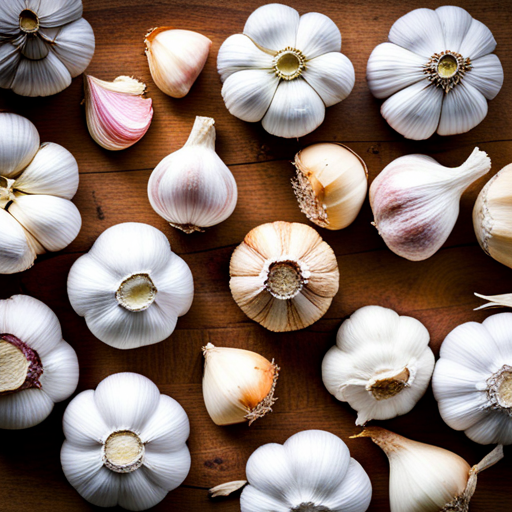
Garlic is a widely used seasoning plant that should be in every kitchen garden. However, growing garlic is not limited to the summer season or outdoors. Winter can be an excellent opportunity to cultivate garlic in a cold frame for fresh and healthy garlic right through the winter months. In this post, we will take you through the step by step process of growing garlic in cold frame during the winter season.
Just click here to read my post on building your own Cold Frame, along with different materials you can use from wood, PVC, cement blocks or wooden pallets!
Choosing the Right Garlic Variety
When deciding on which garlic variety to grow in your cold frame, it’s important to pick a type that suits your specific climate and taste preferences. Garlic varieties are broadly divided into two categories: hardneck and softneck. Hardneck garlic varieties, such as ‘Rocambole’ or ‘Purple Stripe’, are typically more cold-hardy and thus are a great choice for cold frame cultivation in winter. On the other hand, softneck garlic varieties like ‘Artichoke’ or ‘Silverskin’ are known for their long shelf life and milder flavor. Experimenting with different varieties can help you discover which type of garlic thrives best in your specific cold frame setup and satisfies your culinary needs.
Best Location for Cold Frame
Selecting the ideal location for your cold frame is vital to ensure the successful growth of your garlic. Consider a location that has good sun exposure, particularly receiving southern sunlight in winter, as garlic requires at least six hours of sunlight each day for optimal growth. Avoid places with heavy shade or near large trees which may block sunlight. Additionally, the chosen spot should have well-draining soil to prevent waterlogging. A slightly sloped location can be beneficial as it naturally aids drainage. Position your cold frame so the taller end faces north and the shorter end faces south. This allows sunlight to penetrate the cold frame more effectively, providing your garlic plants with the light they need to flourish throughout the winter season. Remember to ensure the site is easily accessible for you, so maintenance, watering, and eventual harvesting of your garlic are convenient.
Soil Preparation for In-Ground and Pot Planting
Proper soil preparation is key to healthy garlic growth, regardless of whether you’re planting in the ground or in pots. Start by loosening your soil with a garden fork or tiller to a depth of about 12 inches. Garlic prefers well-drained soil, so if you’re dealing with heavy clay, consider amending it with compost or organic matter to improve drainage. A pH of 6.5 to 7 is ideal for garlic, and you can adjust your soil’s pH as needed with lime or sulfur based on your soil test results.
For in-ground planting, make sure the planting area is free of weeds and stones. Create furrows approximately 2-3 inches deep and 6-8 inches apart. This will provide the garlic with ample space to grow.
If you’re planting in pots, choose containers that are at least 12 inches deep and have drainage holes to prevent waterlogging. Fill the pots with a good quality potting mix, leaving a few inches at the top for easy watering. Whether you’re planting in the ground or pots, remember to place the garlic cloves pointed end up in the soil, cover them with soil, and water well. With the right preparation and care, your garlic will be well on its way to thrive through the winter in your cold frame.
Planting and Caring for your Garlic
Planting garlic in a cold frame during the winter requires careful timing. Ideal planting time is usually 2-3 weeks before your area’s first frost date. This provides the garlic with ample time to establish roots before the soil freezes.
To plant the garlic cloves, create holes in the prepared soil about 2-3 inches deep. Insert a single clove into each hole, ensuring the pointy end is facing up. Cover the cloves with soil and water them thoroughly.
After planting, spread a layer of straw or mulch over the surface of the soil. This helps to insulate the garlic, protecting it from harsh winter temperatures and conserving moisture.
Throughout the winter, regularly check your garlic for signs of growth. Water the plants if the soil appears dry, but be careful not to overwater as this can lead to rot. Garlic generally requires less watering during winter months due to cooler temperatures and higher levels of natural precipitation.
If pests or diseases appear, address them promptly to prevent further damage. Common pests include aphids, and common diseases include white rot and garlic rust.
As spring approaches, continue to monitor your garlic’s growth. When the tops begin to yellow and fall over, usually around early to mid-summer, this is a good indication that your garlic is ready for harvest. To harvest, gently lift the garlic bulbs out of the soil using a spade or fork, being careful not to damage them. Leave the bulbs to dry in a well-ventilated, shady spot for a few weeks before storing them.
By following these steps, you can enjoy a successful harvest of fresh, homegrown garlic from your cold frame throughout the winter and into spring.
Temperature Control
Maintaining the appropriate temperature within your cold frame is crucial for the successful growth of garlic during winter. As a general rule, the temperature inside the cold frame should not exceed 50°F during the day or drop below 20°F at night.
To monitor your temps, consider investing in a max-min thermometer. This tool will help you monitor the coldest and warmest temperatures in your cold frame each day, allowing you to make necessary adjustments. There are also bluetooth thermometer/hygrometers so you can monitor with your phone. If it gets too warm, simply prop open the lid of your cold frame to let in some fresh, cool air.
Depending on the external weather conditions, you may have to adjust the temperature inside the cold frame manually. During sunny days, ventilate the cold frame by propping open the lid to prevent overheating. On particularly cold nights, provide additional insulation by covering the cold frame with a blanket or horticultural fleece. These methods will ensure your garlic plants thrive in a stable temperature environment, conducive for their growth and development.
Harvesting Your Garlic
Harvesting your garlic in the right manner is just as crucial as the planting and caring process. In order to determine the correct time for harvesting, look for signs such as a yellowing and wilting of the lower leaves. Normally, garlic is ready for harvest when approximately half the leaves have yellowed – this usually happens in late spring or summer.
To harvest, carefully insert a spade or fork under the garlic bulb and gently lift it out of the ground. Be cautious not to bruise or damage the bulb, as this can affect its storage life. Once harvested, shake off the excess soil from the bulb but do not wash it, as moisture can induce rot during storage.
The harvested garlic should be cured or dried before storage. To do this, lay the garlic bulbs in a single layer in a well-ventilated, shady, and dry location for about two weeks. The bulbs are fully cured once the wrappers are dry and papery, and the roots are dry and wiry.
Trim off the roots and neatly trim the stalks down to an inch or two if you wish. After curing, store your garlic in a cool, dry place. The joy of harvesting your own garlic is that it can be used fresh, and any surplus can be stored for use throughout the year.
Happy Gardening!
In conclusion, growing garlic in a cold frame this winter season is a fantastic way to ensure that you have fresh garlic throughout the winter months. With the right garlic variety, growing location, soil preparation, planting, and proper care practices, you can have healthy and tasty garlic. By following the above steps, you can be sure to harvest your garlic successfully.
Please be sure to check out my Gardening Blog Post page for more growing tips on Cold Frame gardening, Indoor Bulb Gardening, Hydroponic Gardening, Container Gardening, Mums, Herbs, African Violets, planting Bulbs, Flower Gardening, Vegetable and Fruit Gardening, Indoor Houseplants of all kinds, Cactus, Succulents, Hanging plants, Deer resistant plants and even Bird, Bee, Butterfly and Hummingbird Gardens!