
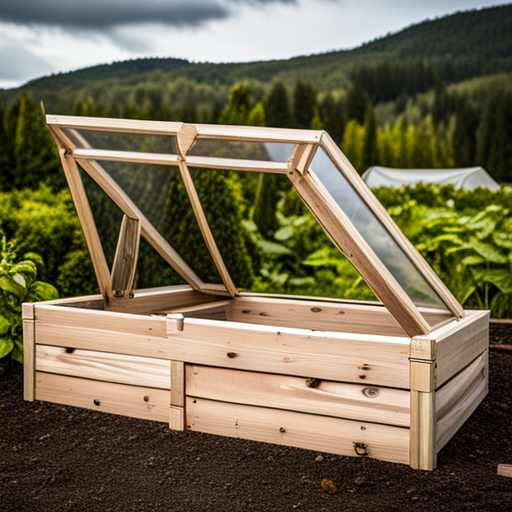
Winter is a challenging season for most gardeners. The cold weather and frosty temperatures make it difficult to cultivate plants, and this can be a significant setback for those who rely on their garden for fresh and healthy produce. However, there is a way to beat the winter blues and continue growing your vegetables throughout the season – a cold frame! A cold frame is a simple structure that can extend your seasonal gardening possibilities and provide enough warmth for certain vegetables to survive the winter. In this post, we’ll discuss growing winter vegetables in cold frame this winter and what you need to know to make your winter gardening a success.
Just click here to read my post on building your own Cold Frame, along with different materials you can use from wood, PVC, cement blocks or wooden pallets!
Choose the Right Vegetables
The first step in growing vegetables this winter is to choose the right crops. Certain plants can thrive in the cold frame and withstand the frosty temperatures and shorter daylight hours. Some of the most popular vegetables to grow in a cold frame include spinach, kale, broccoli, cauliflower, leeks, carrots, radishes, onions, garlic and lettuce. These vegetables not only tolerate cold weather but can also benefit from it, becoming sweeter and more flavorful.
Soil Preparation
Before you sow your chosen vegetables, it’s essential to prepare the soil in your cold frame. Good soil preparation enhances the soil’s structure, promotes healthy root development, and ensures your plants have access to necessary nutrients. Start by removing any leftover plant material from the previous season, then loosen the soil with a spading fork or a garden rake. A well-draining soil is crucial for winter gardening to prevent waterlogged conditions that could potentially harm the plants. Incorporate organic compost into the soil to enrich it with nutrients and improve its texture. A pH test may also be beneficial. Most vegetables prefer slightly acidic to neutral soil (pH 6.0 – 7.0). If your soil is too acidic or alkaline, adjust it using lime or sulfur according to the test’s recommendations. Your soil is now ready to nurture your winter vegetable plants.
Growing in Pots or Directly in the Ground
You have a choice when it comes to planting your winter vegetables: either grow them in pots or directly in the ground within the cold frame. Each method has its advantages and suits different gardeners’ needs. Growing vegetables in pots provides more control over the soil conditions and makes it easier to move plants around if needed. This method is particularly beneficial for beginners or those with limited space. Choose deep pots to accommodate the roots of winter vegetables and ensure they have adequate drainage.
On the other hand, planting directly in the ground can yield larger plants and potentially a more abundant harvest. However, it requires more initial work to prepare the soil and ensure it is fertile and well-draining. Whichever method you choose, ensure your plants have enough room to grow without crowding each other. This spacing promotes good air circulation, reducing the risks of disease and providing the best conditions for your vegetables to thrive in the cold frame throughout the winter.
Monitoring Temperature
Monitoring the temperature inside your cold frame is crucial for the survival and optimal growth of your winter vegetables. Too cold, and the plants may freeze; too hot, and they might wilt or suffer from heat stress. Ideally, the temperature inside the cold frame should stay between 45°F and 60°F. On sunny days, even in winter, the temperature can rise quickly inside the cold frame. It’s important to regulate this by adjusting the cold frame lid to allow ventilation and prevent overheating.
To monitor your temps, consider investing in a max-min thermometer. This tool will help you monitor the coldest and warmest temperatures in your cold frame each day, allowing you to make necessary adjustments. There are also bluetooth thermometer/hygrometers so you can monitor with your phone.
On extremely cold nights, you may need to provide extra insulation to the cold frame by covering it with blankets or straw to retain heat. Remember, the key to successful winter gardening in a cold frame is maintaining a balance – it’s all about ensuring your plants are not too hot or too cold. Regular temperature checks will enable you to control the environment effectively and help your vegetables thrive throughout the winter.
Ventilation
Proper ventilation is a critical aspect of managing your cold frame, significantly influencing the overall growth and survival of your winter vegetables. It helps balance the temperature, preventing overheating during sunny days and facilitating air circulation. On warmer winter days, when the temperatures inside the cold frame can skyrocket, it’s important to open the lid partially or fully to allow the hot air to escape and fresh air to enter. You can prop open the lid using a stick or a rod or install automatic vent openers that open the lid when the temperature reaches a certain point.
Conversely, on cold nights, ensure the lid is closed tightly to retain warmth. But remember, even during cold days, your plants need fresh air to prevent the build-up of humidity and the onset of fungal diseases. Therefore, aim for a brief period of ventilation daily, unless the weather is extremely cold. With careful attention to ventilation, your cold frame can provide an ideal growing environment for your vegetables during the winter months.
Watering Your Veggies
Watering your winter vegetables in a cold frame requires a careful balance. While your plants need water to thrive, too much moisture in a cold environment can lead to frozen roots and damaged plants. As a rule of thumb, your vegetables will need less water during winter months than in the warmer growing seasons. The reduced sunlight and cooler temperatures slow down the rate of evaporation, meaning the soil retains moisture for a longer period.
To check if your plants need water, feel the soil a few inches below the surface. If it’s dry to the touch, it’s time to water. Remember to water slowly and deeply, ensuring that the water reaches the root system. However, try to avoid wetting the plants’ leaves as this can encourage the growth of mold and other fungal diseases.
In the case of potted vegetables, ensure the pots have adequate drainage holes to prevent the soil from becoming waterlogged. Overwatering is a common mistake in winter gardening, and it’s important to remember that it’s better to underwater than overwater when in doubt. So, be observant, adjust your watering schedule according to the weather conditions and the needs of your plants, and you’ll be on your way to a successful winter harvest.
Happy Gardening!
Growing vegetables in a cold frame this winter is an easy and fun DIY gardening project. All you need is a little know-how and patience. With the right vegetables, soil preparation, monitoring temperature, watering, and ventilation, your winter garden will not disappoint. So, get your cold frame ready and watch your veggies grow and flourish throughout the season!
Please be sure to check out my Gardening Blog Post page for more growing tips on Cold Frame gardening, Indoor Bulb Gardening, Hydroponic Gardening, Container Gardening, Mums, Herbs, African Violets, planting Bulbs, Flower Gardening, Vegetable and Fruit Gardening, Indoor Houseplants of all kinds, Cactus, Succulents, Hanging plants, Deer resistant plants and even Bird, Bee, Butterfly and Hummingbird Gardens!