
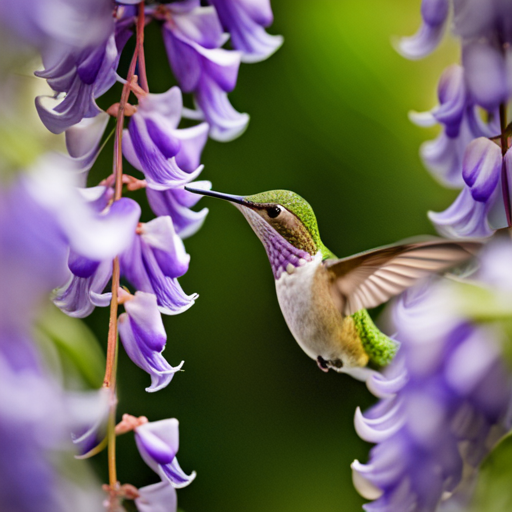
Hummingbirds are one of the most adorable creatures that you can attract to your garden. They are tiny but vibrant and can add some color to your outdoor area. One of the easiest ways to attract these lovely birds is by planting flowering vines. Flowering vines display a dazzling array of colors, textures, and blooms that can add beauty to any garden. They can also transform dull fences, walls, and trellises into stunning features. Also, vines are an ideal way to create vertical interest in the garden. In this blog post, we will not only share with you twelve flowering vines that attract hummingbirds, but we will also provide you with tips on how to care for them.
Honeysuckle (Lonicera)
Honeysuckle is a popular flowering vine known for its sweet, intoxicating fragrance and tubular flowers, typically in shades of white, yellow, pink, and red. Hummingbirds are particularly drawn to these flowers, making honeysuckle an excellent choice for bird lovers.
Honeysuckle thrives in USDA hardiness zones 4 to 9, depending on the variety. This means it can withstand minimum temperatures ranging from -30°F to 30°F, making it a versatile choice for a broad range of climates.
When planting honeysuckle, choose a location with well-drained soil and full sun to partial shade. Ensure the plant is placed at the same depth as it was in the nursery pot, with a distance of 6-10 feet between each plant, if planting more than one.
Water the honeysuckle regularly, especially during dry periods. Once established, honeysuckle is fairly drought-tolerant, but water is necessary during the first year to promote root growth. Fertilize with a balanced plant food in the spring and prune as needed to control growth and maintain the vine’s shape.
Trumpet Vine (Campsis radicans)
Trumpet Vine is another flowering vine that attracts hummingbirds, with its large, trumpet-shaped blossoms in vibrant hues of orange, red, or yellow. The flamboyant flowers provide a regular source of nectar, making it a favorite among these tiny birds.
This hardy vine can stand up to the heat, thriving in USDA hardiness zones 4 to 9. It’s capable of withstanding minimum temperatures that range from -30°F to 20°F, thus making it an excellent choice for a variety of climates.
To plant a Trumpet Vine, choose a location with full sun exposure and well-drained soil. Dig a hole that is twice as wide and almost as deep as the root ball of the plant. Place the plant in the hole and backfill with soil, ensuring that the top of the root ball is level with the ground surface. If planting more than one, maintain a distance of at least 10 feet between each plant to allow for their vigorous growth.
Trumpet Vines are drought-tolerant once established, but will need regular watering during the first year to promote root growth. Fertilize with a balanced plant food in early spring and prune as needed to control growth and maintain shape.
Scarlet Runner Bean (Phaseolus coccineus)
Scarlet Runner Bean is an attractive flowering vine that is known for its brilliant red, trumpet-shaped flowers which are a magnet for hummingbirds. Apart from its beauty, it also produces edible beans, making it both a decorative and practical addition to any garden.
This vine is quite hardy and can withstand various climate conditions, as evidenced by its USDA hardiness zone rating of 4 to 11. This means it can tolerate minimum temperatures from -30°F to 40°F, which allows it to be cultivated in a wide range of geographical locations.
To plant a Scarlet Runner Bean, pick a spot with full sunlight or partial shade and ensure the soil is well-draining. Prepare a hole that’s twice as wide and the same depth as the root ball. Position the plant so that the top of the root ball is level with the soil surface, and then backfill the hole with soil. If you’re planting multiple vines, keep a distance of 8-10 feet between each one to allow for healthy growth.
Scarlet Runner Beans prefer moist, but not waterlogged, conditions. Regular watering during dry periods is essential, especially in the first season to encourage root growth. Once established, they are reasonably drought-tolerant. Feed with a balanced plant food in early spring to boost growth. Pruning isn’t typically necessary unless you want to manage their size or shape.
Coral Honeysuckle (Lonicera sempervirens)
Coral Honeysuckle is a beautiful flowering vine known for its clusters of trumpet-shaped, coral-red or orange flowers that draw in hummingbirds. Plus, its green foliage and red berries (appearing in fall and winter) add to its ornamental charm.
Coral Honeysuckle thrives in USDA hardiness zones 4 to 9. This means it can survive in minimum temperatures that range from -30°F to 20°F, thus making it a good choice for a variety of climates.
Planting a Coral Honeysuckle requires choosing a location with well-drained soil and full sun to partial shade. Dig a hole that is twice as wide and just as deep as the root ball of the plant. Position the plant in the hole and backfill with soil, ensuring that the top of the root ball is level with the ground. If planting multiple vines, keep a distance of 5-10 feet between each one to ensure they have space to grow.
Just like other honeysuckle species, the Coral Honeysuckle needs regular watering, particularly during dry periods. Once established, it is fairly drought-resistant, but it will appreciate water during the first year to stimulate root growth. Fertilize with a balanced plant food in the spring, and prune as necessary to control growth and maintain the vine’s shape.
Clematis (Clematis spp.)
Clematis is a popular flowering vine that is renowned for its spectacular display of blossoms ranging from delicate light pink to bold dark purple. The allure of clematis, along with its capability to climb structures and walls, makes it a delightful addition to gardens, attracting hummingbirds with its vibrant colors.
Clematis thrives in USDA hardiness zones 4 to 9, implying it can withstand minimum temperatures that range from -30°F to 20°F. This adaptability makes it an excellent selection for a variety of climatic conditions.
To plant a Clematis vine, opt for a location that provides the roots with cool, shaded conditions and the vine with abundant sunlight. The soil should be well-draining, rich in organic matter. Dig a hole twice as wide and just as deep as the root ball of the plant. Situate the plant in the hole and backfill with soil, making sure that the crown of the plant (where the stem and roots meet) is at ground level. If planting multiple vines, maintain a distance of 2-3 feet between each plant to allow for healthy growth.
Clematis requires regular watering, especially during dry periods. While established clematis plants are somewhat drought-tolerant, they perform best with consistent moisture. Apply a balanced plant food in early spring to promote vigorous growth. Prune as necessary to control growth and maintain the vine’s shape, remembering that the timing and extent of pruning depends upon the variety of clematis.
Coral Vine (Antigonon leptopus)
Coral Vine, also known as the ‘Queen’s Wreath’, is a swift-growing, flowering vine admired for its vibrant pink, bee-attracting blossoms that resemble small hearts. Its lush green foliage and chain of flowers make it a favorite among gardeners and hummingbirds alike.
Coral Vine flourishes best in USDA hardiness zones 8 to 11, indicating its capability to tolerate minimum temperatures ranging from 10°F to 40°F. This makes it a suitable choice for warmer climates.
To plant a Coral Vine, choose a location that receives full sun to partially shaded light and has well-draining soil. The planting hole should be twice as wide and equal in depth to the root ball of the vine. Place the vine in the hole, ensuring that the top of the root ball is level with the ground, and backfill with soil. If you are planting multiple vines, maintain a spacing of 10-12 feet between each one to allow for vigorous growth.
Coral Vines require regular watering, particularly during dry periods. While they are quite drought-tolerant once established, consistent watering during the first year is crucial to stimulate root growth. Feed the plant with a balanced fertilizer in early spring to encourage abundant blooming. Pruning is generally not necessary unless you need to control the size or shape of the vine.
Climbing Snapdragon (Asarina scandens)
Climbing Snapdragon, also known as Twining Snapdragon, is a charming, fast-growing vine adorned with bell-shaped flowers in shades of violet-blue, pink, or white. The plant’s vibrant blooms and lush green foliage serve as a magnet for hummingbirds and butterflies, while its cascading habit makes it a perfect choice for trellises, hanging baskets, and containers.
Climbing Snapdragon thrives in USDA hardiness zones 5 to 9, indicating its ability to withstand minimum temperatures ranging from -20°F to 30°F. This makes it adaptable to a range of climates, though it does prefer milder conditions.
To plant a Climbing Snapdragon, select a location that offers full sun to partial shade and well-draining soil. Dig a hole that is twice as wide and just as deep as the root ball of the plant. Position the plant in the hole and backfill with soil, making sure the top of the root ball is level with the ground. If you are planting multiple vines, allow a spacing of 2-3 feet between each vine to ensure ample room for growth.
Climbing Snapdragons require regular watering, especially during dry periods. While the plant is drought-tolerant once established, consistent watering during the first year is critical for promoting root growth. Feed with a balanced plant food in early spring to stimulate growth. Occasional pruning may be necessary to maintain its shape and size.
Passionflower (Passiflora spp.)
Passionflower, known for its exotic and intricate blooms, is a fast-growing vine that mesmerizes gardeners and hummingbirds alike with its vibrant colors and unique shapes. Its flowers, which come in various shades of purple, blue, pink, or even red, are a burst of tropical splendor that add a touch of the exotic to any garden setting.
Passionflower thrives in USDA hardiness zones 6 to 10, demonstrating an ability to withstand minimum temperatures ranging from -10°F to 30°F. This adaptability makes it an ideal vine for an array of climatic conditions, though it does prefer warmer climates.
To plant a Passionflower, choose a location that provides full sun to partial shade and well-draining soil. The planting hole should be twice as wide and equal in depth to the root ball of the vine. Position the vine in the hole, ensuring the top of the root ball is level with the ground, and backfill with soil. If you’re planting multiple vines, maintain a spacing of 5-7 feet between each to allow for healthy growth.
Passionflowers require regular watering, especially during dry spells. While established plants are drought-tolerant to some degree, they perform best with consistent moisture. Apply a balanced plant food in early spring to promote vigorous growth and abundant flowering. Pruning can be done as necessary to control growth and maintain the desired shape of the vine.
Cup and Saucer Vine (Cobaea scandens)
Cup and Saucer Vine, also known as Cathedral Bells, is a vigorous, fast-growing vine renowned for its large, bell-shaped flowers that resemble a cup within a saucer. The flowers, which bloom in shades of purple or white, are a striking addition to any garden, attracting a variety of pollinators.
Cup and Saucer Vine thrives in USDA hardiness zones 9 to 11, signifying its ability to withstand minimum temperatures ranging from 20°F to 40°F. This means it is best suited to warmer climates.
To plant a Cup and Saucer Vine, select a location that receives full sun to partial shade and has well-draining soil. The planting hole should be twice as wide and equal in depth to the root ball of the vine. Position the vine in the hole, ensuring that the top of the root ball is level with the ground, then backfill with soil. If you’re planting multiple vines, leave a spacing of 10-12 feet between each to allow for healthy growth.
Cup and Saucer Vines require regular watering, particularly during dry spells. While they are somewhat drought-tolerant once established, consistent watering during the first year promotes healthy root development. Feed the plant with a balanced fertilizer in early spring to stimulate growth and flowering. Pruning is generally not necessary unless you need to control the size or shape of the vine.
Black-Eyed Susan Vine (Thunbergia alata)
Black-Eyed Susan Vine, also known as Clock Vine, is a fast-growing vine that is admired for its cascades of bright yellow-orange flowers, each marked with a dark, button-like center. This vibrant plant adds a tropical touch to gardens and is a favorite among gardeners for trellises, hanging baskets, and containers. Its cheerful blossoms and rich, green foliage attract a variety of pollinators, enhancing the biodiversity of any garden in which it grows.
Black-Eyed Susan Vine is most comfortable in USDA hardiness zones 10 to 11, which implies it can withstand a minimum temperature range between 30°F to 40°F. It is best suited to warm, tropical climates.
To plant a Black-Eyed Susan Vine, choose a location that receives full sun to partial shade and contains well-draining soil. The planting hole should be double the width and equal in depth to the root ball of the plant. Position the vine in the hole, ensuring the top of the root ball is level with the ground, then backfill with soil. If you’re planting multiple vines, ensure a spacing of 5-6 feet between each vine to allow room for robust growth.
Black-Eyed Susan Vines require regular watering, especially in dry periods. While these plants are relatively drought-tolerant once established, consistent watering during the first year is crucial for promoting root growth. In early spring, apply a balanced plant food to encourage vigorous growth and abundant flowering. Pruning isn’t typically necessary unless you wish to control the size or shape of the vine.
Morning Glory (Ipomoea purpurea)
Morning Glory, known for its vibrant, trumpet-shaped flowers, is a fast-growing vine that adds a splash of color to any garden. Its flowers, typically in shades of blue, purple, pink, or white, unfurl in the early morning, earning the plant its name and providing a daily spectacle for garden enthusiasts.
Morning Glory thrives in USDA hardiness zones 3 to 10, showcasing an impressive ability to withstand a range of temperatures, from -40°F to 40°F. This broad adaptability makes it quite versatile, suitable for a variety of climatic conditions.
To plant a Morning Glory, select a location that receives full sun and has well-draining soil. The planting hole should be twice as wide and equal in depth to the root ball of the vine. Position the vine in the hole, ensuring the top of the root ball is level with the ground, then backfill with soil. If you’re planting multiple vines, maintain a spacing of 6-8 feet between each to allow for optimal growth.
Morning Glories require regular watering, particularly in dry periods. While they are drought-tolerant once established, maintaining consistent soil moisture, especially during the first year, is crucial for promoting healthy root development. Apply a balanced plant food in early spring to stimulate vigorous growth and abundant flowering. While Morning Glories generally require little pruning, you can trim them as needed to control growth and maintain the desired shape of the vine.
Wisteria (Wisteria spp.)
Wisteria, celebrated for its clusters of fragrant, drooping flowers, is a robust, fast-growing vine that adds a touch of elegance to any garden. Its blooms, typically in shades of purple, pink, or white, create a spectacular display in the spring and early summer, making it a showstopper in the landscape.
Wisteria thrives in USDA hardiness zones 5 to 9, demonstrating considerable tolerance to temperature variations, from -20°F to 30°F. This makes it a hardy vine, suitable for a variety of climates, from temperate to subtropical.
To plant a Wisteria, choose a location that gets full sun to partial shade and has well-draining soil. The planting hole should be twice as wide and equal in depth to the root ball of the vine. Position the vine in the hole, ensuring the top of the root ball is level with the ground, then backfill with soil. If planting more than one Wisteria, leave a spacing of 10-15 feet between each to allow for their expansive growth.
Wisteria requires regular watering, paying special attention during dry spells. While it’s fairly drought-tolerant once established, consistent watering during the first year is crucial to promote healthy root growth. Feed the plant with a low-nitrogen, high-potash (potassium) fertilizer in early spring to encourage flowering and prevent excessive leaf growth. Wisteria needs regular pruning to control its size and maintain its shape, as it can quickly become unruly if left unchecked. Pruning should be done in late winter to remove unwanted growth and again in mid-summer to cut back the long, whispy shoots.
Happy Gardening!
Attracting hummingbirds to your garden is not only a visual delight but a feast for the senses. By planting any of these twelve flowering vines, you can create a beautiful outdoor space while providing food for these lovely birds. Just remember to provide your vines with ample water, well-drained soil, and regular pruning to keep them looking their best.
Please be sure to check out my Gardening Blog Post page for more growing tips on Container Gardening, Mums, Herbs, African Violets, bulbs and how to plant them, Flower Gardening, Vegetable and Fruit Gardening, Indoor Houseplants of all kinds, Cactus, Succulents, Hanging plants, Deer resistant plants and even Bird, Bee, Butterfly and Hummingbird Gardens!