
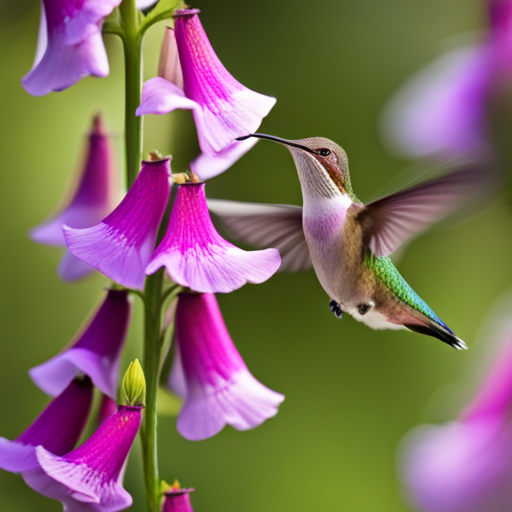
Hummingbirds are one of the most enchanting and fascinating birds to watch. These tiny birds, with their iridescent feathers and high-speed wingbeats, need to consume nectar from flowers to fuel their high metabolism. As a gardener, planting the right perennials can help attract hummingbirds to your garden, allowing you to get a closer look at these amazing creatures. In this blog post, we will share with you 12 perennials that attract hummingbirds and tips on how to care for them.
Butterfly Weed
Butterfly weed is a favorite among hummingbirds and a beautiful addition to any garden due to its vibrant orange flowers. It’s not just the hummingbirds that are attracted to this plant; it’s also a popular choice for butterflies, making your garden a mini wildlife sanctuary.
Butterfly weed prefers full sun and well-drained soils. Plant the seeds 1/8 inch deep and about 18 inches apart, ideally in early spring. This plant is a perennial and will return each year if conditions are suitable.
Once established, butterfly weed requires little maintenance. It is drought tolerant and generally resistant to most pests and diseases. However, do keep an eye out for aphids, which can be controlled with a mild insecticide or by introducing beneficial insects like ladybugs to your garden. Remember not to overwater butterfly weed as it prefers dry conditions. Providing a low-nitrogen fertilizer in the spring can help boost growth and flowering. Note that this plant has a deep root system, making it difficult to transplant once established.
Cardinal Flower
The Cardinal Flower, with its striking red blossoms, is a real hummingbird magnet. It’s a North American native plant, known for its vibrant and intense colors, which can add a splash of drama to your garden.
To plant Cardinal Flowers, choose a location with partial to full shade and moist, rich soil. The plant thrives in damp environments, making it an excellent choice for areas near a pond or stream. The seeds can be sown directly into the soil, about ¼ inch deep and 12 inches apart. Alternatively, if you’re using a young plant, dig a hole twice the size of the pot and place the plant in, making sure the top of the root ball is level with the soil surface. Backfill the hole with soil, press firmly, and water well.
Caring for Cardinal Flowers involves regular watering to keep the soil consistently moist. They prefer a slightly acidic soil, so incorporate plenty of organic matter like compost or peat moss to help retain soil moisture and acidity. While the plant is tolerant of most pests, watch out for aphids and slugs. Aphids can be controlled with a mild insecticide or by introducing beneficial insects, while slugs can be deterred with a layer of diatomaceous earth around the plant. Prune the plant back after flowering to encourage a second bloom and to prevent self-seeding. It’s also recommended to divide the plants every 2-3 years in early spring to maintain vigor.
Columbine
Columbines, known for their delicate, bell-shaped flowers and attractive foliage, are yet another hummingbird favorite. These perennials come in a variety of colors, offering a charming spectacle to both your garden and its tiny visitors.
Planting Columbines can be achieved either by seed sowing or by planting young plants. If you’re starting from seeds, sow them directly into the soil in late spring or early summer. The seeds should be lightly covered with soil, and spaced about 1 to 2 feet apart, as Columbines tend to spread out as they grow. If you’re using young plants, dig a hole that’s twice as wide and the same depth as the plant’s root ball. Place the plant in the hole, ensuring the top of the root ball is level with the ground surface. Fill the hole with soil, pat down firmly, and water thoroughly.
Caring for Columbines involves regular watering, but be careful not to overwater as they prefer soil that drains well. They do best in partial shade but can tolerate full sun if they’re kept sufficiently moist. A balanced fertilizer applied in the early spring and again after flowering can enhance their growth and blooms. Pest problems are usually minimal, but leaf miners can be an issue; they can be controlled by simply removing affected leaves. Columbines are self-seeders, so if you want to control their spread, it’s best to deadhead spent flowers. Divide the plants every few years to maintain their health and vigor.
Coral Bells
Coral Bells are perennial plants beloved by hummingbirds for their tall, bell-shaped flowers that rise above mounds of attractive foliage. Available in a wide array of colors, from deep purple to lime green, their leaves add a pop of color to any garden.
To plant Coral Bells, select a location with partial shade to full sun, and well-drained soil. They do well in a variety of soils, but prefer slightly acidic conditions. Whether you’re planting potted plants or bare root plants, dig a hole twice the width of the root ball, but no deeper. Place the plant in the hole, making sure the crown of the plant (where the stem and roots meet) is level with the soil surface. Backfill the hole with soil, press down gently to remove air pockets, and water thoroughly.
Caring for Coral Bells is straightforward. Water them regularly during their first growing season to establish a deep, extensive root system. Once established, they are quite drought tolerant. Applying a layer of mulch around the plants can help retain soil moisture and maintain consistent soil temperatures. Coral Bells benefit from a slow-release fertilizer applied in early spring. They are generally pest-free, but keep an eye out for vine weevils and foliar nematodes. Coral Bells should be divided every 3-4 years in early spring to rejuvenate the plants and prevent them from dying out in the center.
Delphiniums
Delphiniums, with their dramatic spikes of vibrant blue, purple, pink, or white flowers, are a sight to behold and a favorite of many gardeners. These stately perennials can add an element of vertical interest to your garden, drawing the eye upwards.
To plant Delphiniums, choose a location with full sun and fertile, well-drained soil. Rich, loamy soils are ideal. If you’re planting seedlings, dig a hole that is twice as wide as the root ball and the same depth. Place the plant in the hole, ensuring the top of the root ball is level with the soil surface. Backfill the hole with soil, pressing firmly. Water the plant thoroughly after planting. Seeds can be sown directly into the ground in early spring, but starting them indoors 8-10 weeks before the last expected frost can give them a head start.
Caring for Delphiniums requires some attention. They need regular watering, but avoid overhead watering as this can lead to powdery mildew, a common problem with Delphiniums. Applying a thick layer of mulch can help retain soil moisture and suppress weeds. Delphiniums are heavy feeders and benefit from regular applications of a balanced fertilizer during the growing season. Stake the plants to support their tall, heavy flower spikes and protect them from wind damage. Watch out for common pests such as slugs, snails, and aphids. If these pests become a problem, they can be controlled with a mild, eco-friendly pesticide. Removing spent flower spikes will encourage a second bloom. Delphiniums can be divided every 2-3 years in early spring to maintain plant health and vigor.
Foxglove
Foxglove, known for its dramatic spires of bell-shaped flowers, is a perennial favorite amongst garden enthusiasts and hummingbirds alike. The vibrant colors range from purple and pink to white, adding a burst of color to your garden.
To plant Foxglove, select a location that receives partial shade to full sun and has well-drained soil. They prefer slightly acidic soil, enriched with organic matter. Plant the young plants or seeds in early spring. If you’re planting young plants, dig a hole that’s twice as wide but not deeper than the root ball. Position the plant so the crown is level with the soil surface, then backfill the hole with soil and water thoroughly. If you’re starting from seeds, scatter them on the soil surface and press them in lightly; they need light to germinate.
Caring for Foxglove involves regular watering, especially during dry spells. However, prevent waterlogging as they are sensitive to root rot. Applying mulch helps maintain soil moisture and suppresses weed growth. Feed them with a balanced fertilizer in early spring to promote healthy growth and abundant blooms. Watch out for common pests such as aphids and mites. If detected, treat the plant with a gentle insecticide that is safe for pollinators. After flowering, cut back the plant to encourage a second flush. The plants are biennial or short-lived perennials, so allow a few to self-seed for a continuous display year after year.
Hosta
Hostas are popular perennials prized for their lush foliage that thrives in shady garden spots. Their large, heart-shaped leaves come in a variety of colors, from vibrant greens to blues, and even variegated varieties.
To plant Hostas, choose a location that receives partial to full shade and has well-drained soil. These plants thrive in rich, organic soil. Dig a hole that’s twice as wide but not deeper than the root ball. Position the plant in the hole so the crown is at or slightly above soil level. Backfill the hole with a mixture of garden soil and compost, pressing firmly to eliminate air pockets. Water thoroughly after planting. If you’re planting multiple Hostas, space them about 1-3 feet apart, depending on the variety’s mature size.
Caring for Hostas is relatively low maintenance. Ensure they receive regular watering, especially during dry periods. Overly wet soil can lead to root rot, so it’s essential to have good drainage. Applying a layer of mulch around the plants helps retain soil moisture and keeps the roots cool. Feed the plants with a balanced, slow-release fertilizer in early spring to encourage new growth. Hostas are generally pest-free, but watch out for slugs and snails, which can sometimes cause damage. If necessary, use an eco-friendly slug and snail bait to control these pests. Hostas can be divided in either spring or fall if they outgrow their space or if you want to propagate new plants.
Lupine
Lupines, known for their stunning spires of pea-like flowers and distinctive foliage, bring an array of colors to the garden, from blues and pinks to reds, yellows, and whites. They are a perennial favorite in wildflower gardens and cottage-style landscapes.
To plant Lupines, choose a location that receives full sun to partial shade and has well-drained, slightly acidic soil. Lupines are not overly fussy about soil fertility but they won’t tolerate waterlogged conditions. If you’re planting seedlings, dig a hole that’s wide enough to comfortably accommodate the root ball and of the same depth. Place the plant in the hole, making sure the top of the root ball is level with the soil surface. Backfill the hole with soil and water the plant thoroughly. If you’re planting seeds, sow them directly into the ground in early spring or autumn. Lupine seeds benefit from a treatment called scarification (scratching the seed coat) to improve germination rates.
Caring for Lupines involves some simple steps. They need regular watering, but take care not to overwater as their roots are prone to rot in soggy soil. Apply a layer of mulch around the plants to retain soil moisture and suppress weed growth. Lupines are light feeders but will appreciate an application of a balanced, slow-release fertilizer in spring. Stake taller varieties to support their flower spikes. Watch for aphids and slugs, which are common Lupine pests. If these become a problem, use an eco-friendly insecticide or slug bait to control them. Deadhead spent flower spikes to encourage a second bloom. Lupines can be divided every 2-3 years in the autumn to maintain plant health and vigor. Note that Lupines have a taproot and don’t like being moved once established, so choose your planting site carefully.
Penstemon
Penstemons, often referred to as beardtongues, are admired for their vibrant, tubular flowers that come in a wide range of colors. They are a magnet for hummingbirds and butterflies, adding life and movement to the garden.
To plant Penstemon, select a location that receives full sun to partial shade and has well-drained soil. Penstemons are drought-tolerant once established, but they appreciate rich, organic soil. If you’re planting young plants, dig a hole that’s about twice as wide but not deeper than the root ball. Position the plant in the hole so the top of the root ball is level with the soil surface. Backfill the hole with soil, firming it gently around the base of the plant. Water thoroughly after planting.
Caring for Penstemon involves several straightforward steps. They do not require regular watering once established, but they can benefit from occasional deep watering during extended dry periods. Overly wet soil can lead to root rot, so good drainage is essential. Applying a layer of mulch around the plant can help retain soil moisture and suppress weed growth. Feeding is not generally necessary, but if your soil is poor, a light application of a balanced, slow-release fertilizer in early spring can be beneficial. Watch out for pests like aphids and slugs. If these become a problem, treat with an eco-friendly insecticide or slug bait. After the flowering period, cut back the plant to promote bushiness and possibly a second flush of blooms. Divide the plants every 3-4 years in early spring to maintain plant health and vigor.
Phlox
Phlox, celebrated for their clusters of vibrant, fragrant flowers, are a garden favorite that bring a profusion of color from late spring through summer. They come in shades of white, pink, red, purple, and blue and are attractive to butterflies and hummingbirds.
To plant Phlox, select a location that receives full sun to partial shade and has well-drained soil. They prefer slightly rich, consistently moist soil. Dig a hole that’s about twice as wide but not deeper than the root ball. Position the plant in the hole so the top of the root ball is level with the soil surface. Backfill the hole with soil, firming it gently around the base of the plant, and water thoroughly after planting.
Caring for Phlox requires some simple steps. They need regular watering to keep the soil consistently moist, but avoid overly wet conditions to prevent root rot. Applying a layer of mulch around the plants helps to retain soil moisture and keeps the roots cool. Phlox can benefit from an application of a slow-release, balanced fertilizer in early spring to promote vigorous growth. Watch out for common pests like spider mites and powdery mildew. If these become a problem, treat with an eco-friendly insecticide or fungicide. After the blooming period, cut back the plants to promote denser growth and possibly a second flush of blooms. Phlox can be divided every 2-3 years in spring to maintain plant health and vigor.
Trumpet Vine
Trumpet Vines, known for their vibrant, trumpet-shaped flowers and rapid growth, are a favorite for attracting hummingbirds and adding a tropical touch to the garden. They come in shades of red, orange, and yellow.
To plant Trumpet Vines, choose a location that receives full sun and has well-drained soil. These plants are highly adaptable and can tolerate poor soil conditions. You may want to contain the plant’s growth with a trellis or similar structure, as it’s a vigorous climber. To plant, dig a hole twice as wide but not deeper than the root ball. Position the plant in the hole so that the top of the root ball sits level with the soil surface. Backfill the hole and water the plant thoroughly. If you’re installing a trellis, place it near the plant, encouraging the vine to climb by gently tying the stems to the structure.
Caring for Trumpet Vines involves several steps. They are drought-tolerant once established but will benefit from regular watering during dry periods. However, avoid overly wet soil, which can lead to root rot. A layer of mulch around the plants can help conserve soil moisture. Trumpet Vines usually don’t require feeding, but if your soil is poor, an application of a balanced, slow-release fertilizer in early spring can be beneficial. Prune the plants in late winter or early spring to control their growth and maintain a neat appearance. Keep an eye out for pests like aphids and leaf miners. If these become a problem, treat with an eco-friendly insecticide. Note that Trumpet Vines can become invasive if not managed properly, so it’s important to regularly check its growth and prune as necessary.
Yarrow
Yarrow is renowned for its feathery, fern-like foliage and flat-topped clusters of vibrant flowers, ranging in color from white and yellow to pink and red. This hardy perennial is a favorite among gardeners for its adaptability and drought tolerance.
To plant Yarrow, choose a location that receives full sun and has well-drained soil. Yarrow is a highly adaptable plant and can thrive in average to poor soil. Dig a hole that’s roughly twice the width but not deeper than the root ball. Position the plant in the hole so the top of the root ball is level with the soil surface. Backfill the hole, firming the soil gently around the plant. Water thoroughly after planting.
Caring for Yarrow involves easy-to-follow steps. Established plants are highly drought-tolerant and require watering only during prolonged dry spells. Good drainage is crucial to prevent problems with root rot. Mulching is not typically necessary, as Yarrow prefers drier conditions. Feed with a light application of a balanced, slow-release fertilizer in the spring if your soil is poor. Yarrow is generally pest-resistant, but do watch for problems with aphids or powdery mildew. If these become an issue, treat with an eco-friendly insecticide or fungicide. After the flowering period, cut the plants back to promote a second flush of blooms. Divide the plants every 2 to 3 years in the spring to maintain plant health and vigor.
Happy Gardening!
Attracting hummingbirds to your garden can provide hours of entertainment and an up-close look at these fascinating creatures. By planting these 12 perennials and providing them with proper care, you can ensure that hummingbirds will visit your garden regularly. With a little bit of effort, you can turn your backyard into a hummingbird haven.
Please be sure to check out my Gardening Blog Post page for more growing tips on Container Gardening, Mums, Herbs, African Violets, bulbs and how to plant them, Flower Gardening, Vegetable and Fruit Gardening, Indoor Houseplants of all kinds, Cactus, Succulents, Hanging plants, Deer resistant plants and even Bird, Bee, Butterfly and Hummingbird Gardens!