
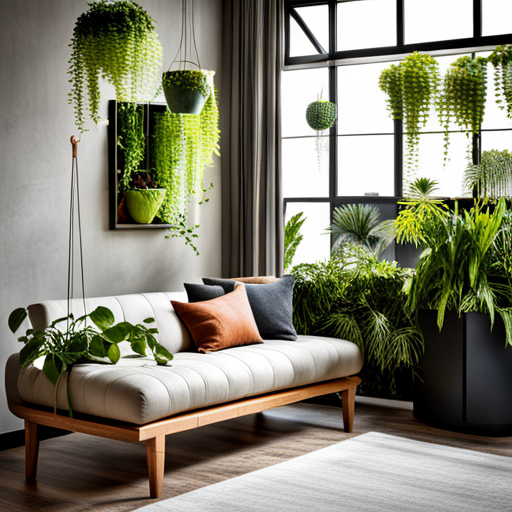
Do you feel that your indoor living space could use a little more greenery and life? Adding hanging plants to your décor can make a huge difference! Not only do they brighten any room, but hanging plants have also been proven to reduce stress and improve air quality. But where do you hang them and how do you do it without damaging your walls or ceiling? In this blog post, we’ll give you some ideas and tips on how to hanging plants indoors your home, so you can create your own indoor garden oasis.
Choosing the Right Spot
Before you start hanging plants indoors, consider where you want to put them. Hanging plants can fit into any room of your house – they can be hung in the kitchen, bedroom, bathroom, or living room. The key is to choose the right spot based on the amount of light and humidity the plant needs. For example, if you have a plant that needs a lot of sunlight, you may want to hang it near a sunny window. If you have a plant that prefers a more humid environment, the bathroom might be a great spot for it.
Plants to Put near Sunny Window
Hanging plants indoors near a sunny window for both direct and indirect sunlight.
- Spider Plant (Chlorophytum Comosum): Known for their adaptable nature, spider plants can thrive in both bright and indirect light conditions.
- English Ivy (Hedera Helix): This elegant plant loves a bright spot and will create a beautiful cascading effect.
- String of Pearls (Senecio Rowleyanus): This succulent plant enjoys basking in the sun, making it perfect for your sunny window.
- Hoya (Hoya Carnosa): Hoya plants love bright light, and their waxy leaves and star-shaped flowers add a distinctive touch to any decor.
Remember, although these plants appreciate sunlight, it is essential to protect them from extreme heat during the harshest hours of the day. Regular watering and care are also vital to keep them healthy and thriving.
Plants that Thrive in the Bathroom
Selecting the ideal plants for your bathroom involves considering both aesthetics and suitability to the environment. Here are some plants that thrive in humid conditions, making them perfect for your bathroom:
- Boston Fern (Nephrolepis Exaltata): Boston Ferns are known for their lush, feathery fronds and love for humidity, making them an ideal choice for bathrooms.
- Orchid (Orchidaceae): Orchids not only bring a touch of exotic elegance to your bathroom but also thrive in the humid conditions present in most bathrooms.
- Peace Lily (Spathiphyllum): With its elegant flowers and ability to thrive in low light, the Peace Lily is the perfect bathroom plant.
- Snake Plant (Sansevieria): Snake plants are low-maintenance and can tolerate low light and high humidity, making them perfect for your bathroom.
- Air Plant (Tillandsia): These unique plants absorb water through their leaves, making them suited to the humid environment a bathroom provides.
Remember, these plants prefer warm, humid conditions, but they also require adequate care and attention, including appropriate watering and exposure to light, to maintain their health and growth. You can always add grow lights if more light is needed.
Plants that thrive in low light
If your indoor space lacks abundant natural light, don’t worry. There are plenty of hanging plants known for their ability to thrive in low light conditions. Here are some of them:
- ZZ Plant (Zamioculcas Zamiifolia): This plant is perfect for those who lack a green thumb. The ZZ plant can survive in low light conditions and requires minimal watering.
- Pothos (Epipremnum Aureum): Known for its vining leaves, Pothos can grow in a variety of light conditions, including low light.
- Dracaena: There are many varieties of Dracaena that adapt well to low light. They add a touch of tropical appeal to your home with their long, vibrant leaves.
- Philodendron: Whether climbing or standing, Philodendrons are a durable choice for low light conditions.
- Chinese Evergreen (Aglaonema): Chinese Evergreen plants are easy to care for and can tolerate low light, making them a popular choice for indoor plants.
Remember, ‘low light’ doesn’t necessarily mean ‘no light’. All plants need some light to perform photosynthesis. The plants listed here can survive in lower light conditions, but they’ll still need some light, whether it’s from a small window or artificial lighting. Proper care, including the right watering and feeding, will ensure your plants stay healthy.
Different Hanging Techniques
There are various methods you can utilize for hanging plants indoors, each catering to different needs and styles. Here are a few techniques you can consider:
- Hanging Baskets: Hanging baskets are a classic choice for indoor plants. Depending on your style, you can choose baskets made of wire, wicker, or macrame. Install a hook in the ceiling where you want the plant to hang, ensure it’s secure, then hang the basket using a chain or sturdy rope.
- Floating Shelves: Floating shelves can give your plants a beautiful, ‘floating’ display. Install the shelves on your walls, making sure they’re level and secure. Place your potted plants on the shelves, ensuring the plants have enough space to grow.
- Wall Hooks: Wall hooks are a simple and versatile way to hang plants. Simply screw the hooks into your wall and hang the plant pots using a hanger. This technique is particularly useful for trailing plants like English Ivy or String of Pearls.
- Window Plant Shelf: A window plant shelf is a wonderful way to hang plants that need plenty of sunlight. These shelves attach to your window with suction cups, creating a space for your plants to sit and soak up the sun.
- Macrame Plant Hangers: Macrame plant hangers add a bohemian touch to your décor. They can be hung from the ceiling or a wall hook. Make sure to choose a container that fits well within the hanger and place your plant inside.
- Trellises: Trellises are perfect for climbing plants like Philodendron or Pothos. Attach the trellis to your wall and let your plant climb up the structure, creating a vibrant green wall.
Always ensure to check the weight capacity of any hanging hardware to ensure it can safely support your plants.
Keep Your Plants Healthy
After you’ve picked your spot, types of plants, and chosen a style for hanging them, it’s important to keep them healthy. Make sure they receive the amount of light and water they require, and consider fertilizing them from time to time. Hanging plants tend to dry out quicker than those in planters, so you may need to water them a bit more often. Spritz them a little if they need a bit more moist in the air. Enjoy your indoor garden with ease and watch them flourish!
Happy Gardening!!
We hope this blog post has given you some inspiration to incorporate hanging plants into your home. By choosing the right location, type of plant, and hanging style while still considering the weight and strength of materials, you can create an oasis of greenery and improve the air quality in your home. Not only do they look beautiful, but hanging plants also have therapeutic benefits that can improve your everyday emotions and mood. Happy hanging, and enjoy your green space!
Please be sure to check out my Gardening Blog Post page for more growing tips on Container Gardening, Mums, Herbs, African Violets, bulbs and how to plant them, Flower Gardening, Vegetable and Fruit Gardening, Indoor Houseplants of all kinds, Cactus, Succulents, Hanging plants, Deer resistant plants and even Bird, Bee, Butterfly and Hummingbird Gardens!