
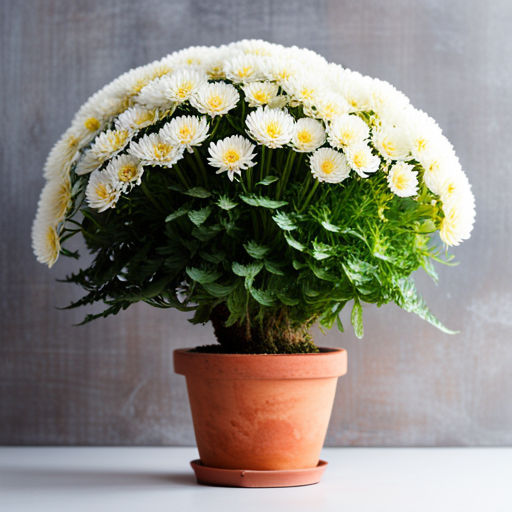
Chrysanthemums, or “mums,” have long been a popular choice for gardeners thanks to their striking beauty and incredible versatility. But while most people are familiar with the brightly-colored “pom poms” that we typically associate with mums, there’s a lesser-known cousin that’s equally magnificent: the single chrysanthemum. These stunners feature a single row of petals around a central disc, and they come in an array of colors, shapes, and sizes. If you’re thinking about adding some single mums to your home garden, you’re in for a treat – and this guide will help you get started.
Single Chrysanthemums, also referred to as Chrysanthemum x grandiflorum, are a captivating variety recognized for their simple yet elegant bloom structure. Unlike other varieties, each bloom features a single layer of petals surrounding a prominent central disk, giving them a resemblance to daisies. Available in an impressive range of colors, from vibrant yellows and whites to subtle pinks and purples, single chrysanthemums are a delightful addition to any garden or floral arrangement.
Zone and How to Plant
Single Chrysanthemums are hardy in USDA zones 5-9, hence they can withstand a wide range of temperatures, making them a suitable choice for various climates. For the best growth and blooms, it’s crucial to plant your single chrysanthemums in a well-draining soil that has been enriched with organic matter.
Start by choosing a sunny spot in your garden as these blooms thrive in full sun. Dig a hole that’s twice as wide and equal in depth to the pot your chrysanthemums came in. Gently remove the plant from its container, place it in the hole, ensuring that the top of the roots are level with the soil surface. Fill in the hole with soil, pressing gently around the plant to secure it. Water thoroughly after planting, and add a layer of mulch around the plant to conserve moisture and prevent weeds. Regular watering and a balanced fertilizer during the growing season will ensure your single chrysanthemums flourish.
Preparing the Soil
Proper soil preparation is a key step in growing vibrant and healthy single chrysanthemums. The plants prefer well-drained soil that’s rich in organic matter. You can enhance your garden soil by incorporating compost or well-rotted manure into it a few weeks before planting. This will increase the nutrient content and improve the soil’s water-holding capacity, providing an ideal environment for the roots of your chrysanthemums to grow and thrive.
Light and Fertilizer Requirements
As for the light requirements, single chrysanthemums thrive in full sun. They need at least 6 hours of direct sunlight daily for optimal growth and bloom. A spot in your garden that receives morning sun and afternoon shade would be ideal, as it can protect the plants from the harshest afternoon sun during the summer. However, if such a location is not available, any sunny spot will do. Just remember, the more sun they get, the more spectacular the blooms!
In terms of fertilization, single chrysanthemums benefit from a balanced fertilizer, preferably one with an N-P-K ratio of 10-10-10. Start feeding your plants in the early spring when new growth begins, and continue through to the fall, stopping about a month before the first frost is expected. Apply the fertilizer according to the package instructions, and always water thoroughly after each application. This nutrient boost will promote vigorous growth and prolific blooming.
Deadheading
Deadheading, or the removal of spent flowers, is another essential care tip for single chrysanthemums. This practice not only keeps your plants looking tidy but also encourages more blooms. To deadhead your single chrysanthemums, simply pinch or cut off the faded flowers just below the flower head. Make sure to do this regularly throughout the blooming season to maintain the aesthetic appeal of your garden and stimulate your plants to produce more flowers.
Preparing Mums for Winter
Preparing your single chrysanthemums for winter is a necessary step to ensure their survival and health for the next growing season. As chrysanthemums are semi-hardy plants, they can withstand the cold to a certain extent, but they do need some extra care as the temperatures drop.
Start by reducing watering as autumn progresses. This helps harden off the plants before the first frost. After the first frost hits and the plants die back, cut them down to about 3-4 inches above the ground. Cover the cut plants with a thick layer of mulch, such as straw or bark chips, to insulate them against the winter cold. Should the winter be particularly harsh, consider adding an extra protective layer like a garden fleece over the mulched area.
When spring arrives, gradually remove the mulch as the weather begins to warm, allowing the plants to emerge from their winter sleep. Remember, patience is key – removing mulch too early can expose the plants to late-season frosts. With these winter care tips, your single chrysanthemums should be ready to grow and bloom spectacularly when next season comes around!
How to Grow Single Mums in a Pot
Growing single chrysanthemums in pots on your patio is an excellent way to add a splash of color to your outdoor spaces. The process is quite simple. Choose containers that are at least 12 inches in diameter and have adequate drainage holes to prevent waterlogging. Fill the pot with a high-quality potting mix that is rich in organic matter.
Plant your chrysanthemum in the center of the pot, ensuring the top of the root ball is level with the soil surface. Fill in around the plant with soil and press gently to secure it in place. Water thoroughly after planting and continue to water regularly throughout the growing season, keeping the soil evenly moist but not soggy.
Place your potted chrysanthemums in a sunny spot on your patio where they will receive at least 6 hours of direct sunlight each day. Feed them with a balanced fertilizer, following the same schedule as for garden-planted mums. Regular deadheading will keep your potted chrysanthemums looking their best and promote more blooms.
Remember, pots can dry out more quickly than garden soil, especially in hot weather, so you may need to water your chrysanthemums more frequently. In winter, protect your potted chrysanthemums by moving them to a sheltered location or wrapping the pots in bubble wrap to insulate them from freezing temperatures.
Growing single chrysanthemums in pots allows you to enjoy these delightful blooms up close and personal. With the right care and attention, you can create a stunning floral display on your patio that lasts from late summer right through to the first frosts of winter.
Happy Gardening!
Single chrysanthemums may not be as well-known as their more flamboyant relatives, but they’re every bit as spectacular – and with this guide, you’re well-equipped to bring them to your own garden. By understanding the basics of growing these flowers, carefully choosing your varieties, planting with care, providing proper care, and enjoying the rewards, you’ll be able to cultivate a beautiful and thriving display that will bring joy and beauty to your home for years to come.
Please be sure to check out my Gardening Blog Post page for more growing tips on growing Mums, Herbs, African Violets, bulbs and how to plant them, Flower Gardening, Vegetable and Fruit Gardening, Indoor Houseplants of all kinds, Cactus, Succulents, Hanging plants, Container Gardening and even Bird, Bee, Butterfly and Hummingbird Gardens!