
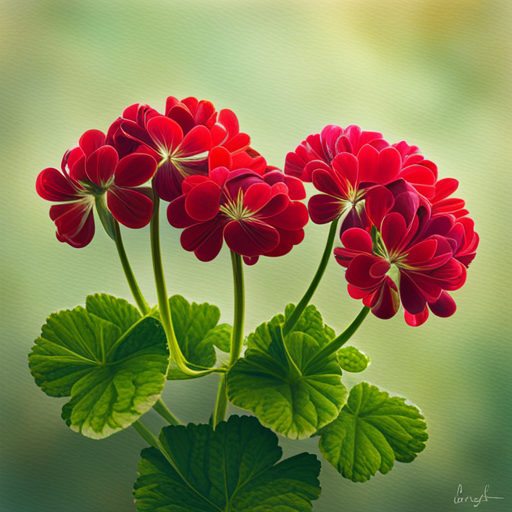
One of the easiest and most rewarding plants to grow in your garden or home is the geranium. Known for their vibrant colors, geraniums are a popular choice for gardeners and non-gardeners alike. Not only do they add beauty to your space, but they also have many health benefits. They purify the air, are easy to care for, and promote relaxation. In this guide, I will share with you everything you need to know about how to care for geraniums, including their soil type, water, light, and fertilizer needs.
Zone Type for Growing Geraniums in Your Gardens
Geraniums thrive in USDA hardiness zones 9 through 12, where they can be grown as perennials. These zones are characterized by their warm climates, which geraniums love. However, in zones 7 and 8, they can survive as semi-evergreen plants if provided with adequate protection. If you live in zones 3 through 6, consider growing geraniums as annuals or indoor plants, since the winter temperatures can be too harsh for them. Understanding your zone type is crucial as it directly influences the plant’s growth and health. So, ensure to plant your geraniums in the correct zone for the best results.
How to Plant Geraniums in the Ground
Planting geraniums in the ground requires some preparation but is ultimately quite straightforward. Start by choosing a location that receives at least six hours of sunlight each day, as geraniums flourish in abundant light.
Prepare the ground by removing any weeds or stones and breaking up the soil with a garden fork or tiller. Geraniums prefer well-draining soil, so if your soil is heavy clay, consider amending it with compost or coarse sand to improve its drainage. The soil pH should ideally be between 6.0 and 7.0; you can adjust it with lime or sulfur as necessary. This soil meter is perfect for monitoring pH levels, nutrient levels and moisture content.
When you’re ready to plant, dig a hole that’s wide enough for the root ball of your geranium. Place the plant in the hole, ensuring that the top of the root ball is level with the soil surface. Then, backfill the hole with soil, patting it gently around the base of the plant to remove any air pockets.
After planting, water the geranium thoroughly. Going forward, water the plant regularly but allow the soil to dry out between waterings. This is because geraniums do not like to sit in waterlogged soil.
Remember, the key to successfully growing geraniums in the ground is providing the right conditions: abundant sunlight, well-draining soil, and regular watering without over-saturating the soil.
How Much Sun do Geraniums Need?
Geraniums are sun-loving plants and require a good amount of sunlight to thrive. They are best grown in an area that receives at least six hours of direct sunlight each day. However, in hotter climates, they can tolerate partial shade, particularly in the afternoon when the sun is at its peak. It’s important to remember that insufficient sunlight can lead to leggy growth and fewer flowers.
Watering Your Geraniums
Watering is a crucial aspect of geranium care. These plants prefer the soil to be kept relatively dry compared to other garden flowers. They aren’t tolerant of waterlogged conditions and can succumb to root rot if over-watered.
The general rule of thumb is to water your geraniums thoroughly, and then wait until the top one inch of soil dries out before watering again. During the hottest parts of the summer, you might need to water every two to three days, but in cooler weather or winter, watering should be reduced.
However, always remember that it’s better for geraniums to be on the slightly drier side rather than too wet. When you do water, aim to water the soil, not the leaves, as wet foliage can lead to the development of fungal diseases.
Monitoring and adjusting the watering schedule based on weather conditions and the plant’s needs will ensure your geraniums stay healthy and vibrant.
How to Grow Geraniums in Pots on your Patio
Growing geraniums in pots on your patio is an excellent way to enjoy their beauty up close. To start, choose pots with good drainage to prevent waterlogging. Terra cotta pots are an excellent choice as they allow excess moisture to evaporate, keeping the soil from becoming too wet. Fill the pot with a well-draining potting mix, preferably with added compost or organic fertilizer for added nourishment.
Plant the geraniums in the center of the pot, ensuring the roots are covered with soil but the stem remains above the soil surface. After planting, water thoroughly and place the pot in a sunny spot on your patio. Remember, geraniums thrive with a lot of sunlight, so pick a location that gets at least six hours of direct sunlight each day.
When it comes to watering, follow the same rule as for garden geraniums—keep the soil moist but not waterlogged. The frequency of watering will depend on the weather and the size of the pot. Smaller pots dry out faster and may need to be watered more frequently than larger ones. Always check the soil moisture before watering, and during the cooler months, reduce watering.
To retain the potted geranium’s vibrant blooms, feed them with a balanced liquid fertilizer every two weeks during the growing season. Regularly deadhead spent flowers to encourage new blooms. By following these steps, you can successfully grow, enjoy, and maintain geraniums in pots on your patio.
Growing Geraniums Indoors: A Comprehensive Guide
Indoor gardening offers a unique set of conditions and challenges, but geraniums can adapt well to the indoors with the right care. The first step to growing geraniums indoors is choosing a suitable container with proper drainage to prevent waterlogging. A well-draining potting mix, similar to what you would use for patio pot cultivation, is ideal.
Place your indoor geraniums near a south-facing window that receives six hours of sunlight per day. If your home does not have sufficient natural light, consider using grow lights to supplement. Geraniums will tolerate some shade, but too much can lead to leggy growth and less vibrant blooms.
When it comes to watering, the same rules apply as when growing geraniums outdoors. Allow the top one inch of soil to dry out between watering. Be careful not to overwater, as this can lead to root rot. It’s always better to underwater than overwater when it comes to geraniums.
Just like outdoor geraniums, indoor geraniums benefit from regular feeding. Use a well-balanced liquid fertilizer every two weeks during the growing season. Regularly remove spent flowers to encourage new blooms and maintain the compact shape of the plant by pruning any leggy stems.
Remember that indoor geraniums still need fresh air, so consider opening a nearby window on warmer days or placing a small fan near your plants to encourage airflow. With these steps, you can enjoy the vibrant colors and multiple health benefits of geraniums all year round, even if you don’t have an outdoor space to spare.
Fertilizing Your Geraniums: Indoor & Outdoor Tips
When it comes to feeding your geraniums, both indoor and outdoor plants can benefit from regular fertilization. Geraniums generally aren’t heavy feeders, but a balanced liquid fertilizer can help to promote vibrant, healthy blooms.
For outdoor garden and patio pot geraniums, fertilize them every two weeks during the active growing season—typically spring and summer. A balanced liquid fertilizer (such as 10-10-10 npk) works well. When applying the fertilizer, ensure it’s thoroughly mixed in water as per the manufacturer’s instructions, and then water your plants as you normally would.
Indoor geraniums also require feeding every two weeks during their growing period. Be careful not to over-fertilize, as this can cause salt build-up in the soil, which can harm the plant. If you’re growing geraniums in pots, it’s beneficial to occasionally flush the soil by running water through it for a minute or two. This will help to remove any potential salt build-up from the fertilizer.
Remember, fertilizing should not be seen as a cure-all. It’s crucial to maintain other aspects of geranium care, such as proper watering and sufficient sunlight, for your plants to thrive. Fertilizing is just one part of a comprehensive care plan for your geraniums.
How Long do Geraniums Bloom?
Geraniums are known for their long blooming period. If they are well cared for, they can bloom from spring to late fall, providing vibrant color in your garden or home for several months. The exact length of the blooming period can vary depending on the specific variety of geranium and local growing conditions. However, by regularly deadheading spent flowers, providing ample sunlight, and maintaining a proper watering routine, you can maximize the time your geraniums spend in bloom. In some warmer climates, geraniums can even bloom all year round. Indoor geraniums, with their controlled growing conditions, also have the potential for year-round blooms if their care requirements are met.
How to Start Geraniums from Cuttings
Starting geraniums from cuttings is an economical and effective way to propagate your favorite varieties.
To begin, select a healthy geranium plant and cut a 4-6 inch stem section from it. The cutting should be taken from the tip of a non-flowering stem, and it’s best to make the cut just below a node (the point where the leaf joins the stem).
Once you have your cutting, remove all but the top two or three leaves. This reduces the amount of energy the cutting needs to support leaf growth and allows it to concentrate on developing roots.
Next, dip the cut end of your geranium cutting in rooting hormone. This encourages faster root development, although geraniums can root without it.
Fill a pot with a well-draining potting mix and create a hole in the middle. Place the cutting in this hole, ensuring the node is below the soil surface. Gently firm the soil around the cutting to hold it in place.
Water the cutting thoroughly and place it in a clear plastic bag to create a humid environment. Seal the bag loosely at the top, allowing for some air circulation.
Place the pot in bright, indirect light. Roots should begin to form within a few weeks. Once roots have developed, you can transplant the new geranium plant into a larger pot or outdoors, following the geranium care guidelines mentioned above. Remember, patience is key when propagating geraniums from cuttings. With the right conditions and care, you can have new geranium plants in no time.
Attracting Wildlife with Geraniums: Hummingbirds and Bees
Geraniums are not just a delight to human eyes; they are also loved by hummingbirds and bees. These vibrant flowers are a wonderful way to attract and support these important pollinators in your garden. Hummingbirds are particularly attracted to the bright red and pink blooms of geraniums, as they associate these colors with nectar-rich flowers. In addition to providing a food source, geraniums offer an ideal landing spot for hummingbirds with their sturdy stems.
Similarly, bees are drawn to geraniums too. The open shape of geranium flowers makes it easy for bees to access the pollen and nectar, making them an excellent plant choice for supporting your local bee population. Therefore, by planting geraniums, not only do you get to enjoy the beauty of these flowers, but you’re also contributing to local ecosystems and biodiversity.
Different Types of Geraniums and Their Features
Geraniums are a diverse group of plants with over 400 species, each with its unique features. Here are a few notable types:
- Zonal Geraniums (Pelargonium x hortorum): These are the most common type of geraniums, known for their zoned or patterned foliage. They produce large, rounded clusters of blooms in vibrant colors like red, pink, and white. They are perfect for window boxes, hanging baskets, or containers due to their upright growth.
- Ivy Geraniums (Pelargonium peltatum): Named for their ivy-like leaves, these geraniums have a trailing habit, making them ideal for hanging baskets or pots. The flowers are usually smaller than those of zonal geraniums but are equally vibrant.
- Scented Leaf Geraniums: This type of geraniums is grown not for their flowers, but for their aromatic foliage. The leaves can have a variety of scents, including rose, lemon, apple, and even chocolate.
- Regal or Martha Washington Geraniums (Pelargonium x domesticum): These types of geraniums boast extravagant, large-petaled flowers that can rival those of roses. They prefer cooler temperatures and are best grown in spring or fall.
- Hardy or Perennial Geraniums (Geranium spp.): Unlike the other types, these geraniums can withstand freezing temperatures and return year after year. They are low-growing and are often used as ground covers.
Each type of geranium brings something unique to your garden, whether it’s a burst of color, a delightful scent, or ground cover. By understanding the features of each type, you can make an informed choice and add variety to your garden or indoor space.
Happy Gardening!

Geraniums are a beautiful and easy-to-care-for plant that can add a pop of color and fragrance to your home or garden. With the right soil type, water, light, and fertilizer, you can successfully grow happy and healthy geraniums. Remember to always choose well-draining soil, water your plants deeply but not too frequently, provide them with plenty of sunlight, and feed them with a balanced fertilizer. Stay vigilant for pests, but don’t let them deter you from enjoying the many benefits of growing geraniums.
Please be sure to check out my Gardening Blog Post Page for more tips on all types of gardening. Including Seed Saving, Seed Starting, Orchids, Water Gardening, Coldframe Gardening, Indoor Bulb Gardening, Hydroponics, Container Gardening, Mums, Herbs, African Violets, planting Bulbs, Flower Gardening, Vegetable and Fruit Gardening, Indoor Houseplants of all kinds, Cactus, Succulents, Hanging plants, Deer resistant plants and even Bird, Bee, Butterfly and Hummingbird Gardens!