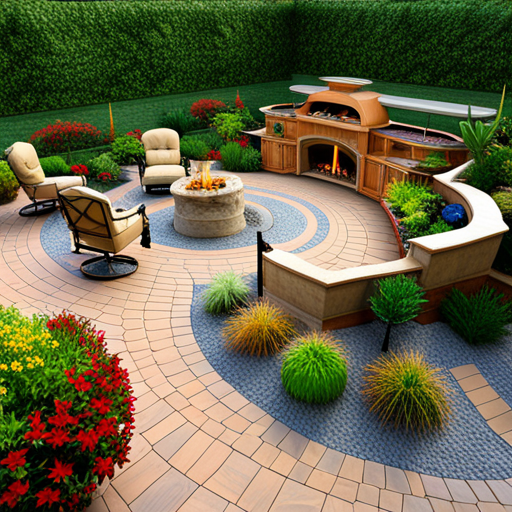
Gardening is a wonderful hobby that can be relaxing, enjoyable and aesthetically pleasing. But maintaining a garden can be back-breaking work, especially during the summer months. This is where the concept of zero-scaping or xeriscaping your yard comes in. It is a landscaping technique that involves designing gardens in a way that minimizes water usage and maintenance. It originated in arid regions, but is now becoming increasingly popular in other parts of the world. In this blog post, we will explain what zero-scaping is and how you can implement it in your yard.
What is Zero-Scaping
Zero-scaping is a concept that aims to minimize the use of resources such as water, energy, and time. All while maintaining an aesthetically pleasing landscape. In other words, zero-scaping is all about creating a low-maintenance garden that is also visually appealing. It also involves choosing the right plants that are well-adapted to the local climate, soil type, and water availability.
Ideas for Zero-Scaping your Yard
The key to successful zero-scaping is to choose plants that are drought-tolerant and require little to no maintenance. Cactus, succulents, and ornamental grasses are some great options. They look beautiful and come in different sizes, shapes, and colors. You can also use rocks, gravel, and mulch to cover the ground and reduce water loss through evaporation. Adding a water feature or a small pond can also be an interesting focal point while also helping to attract wildlife to your yard.
List of Succulents Perfect for Zero-scaping:
- Aloe Vera: Known for its medicinal properties, Aloe Vera also makes for a great zero-scaping plant. It’s drought-tolerant and thrives in well-draining soil.
- Zebra Plant (Haworthia): These small, low-growing plants add an interesting visual element to your garden with their white striped leaves.
- Echeveria: Echeveria is a large genus of flowering plants in the family Crassulaceae, native to semi-desert areas of Central America. They are known for their rosette-shaped leaves and come in a variety of colors.
- Jade Plant (Crassula ovata): These plants are easy to care for and are known for their thick, fleshy, dark green leaves.
- Sedum: Sedum is a large genus of flowering plants, commonly known as stonecrops. They are perfect for zero-scaping due to their ability to tolerate drought and poor soil conditions.
- Agave: Agave plants can survive in dry soils and though they need sun, they can thrive in partially shaded areas making them a versatile choice.
- Prickly Pear Cactus (Opuntia): This plant not only adds an interesting visual element to your garden but also produces edible fruits.
Remember, the secret to successful zero-scaping is not just choosing the right plants, but also understanding your local climate, the soil in your garden, and how these can affect your plant’s growth.
List of Cacti Perfect for Zero-scaping:
- Barrel Cactus (Ferocactus): Known for its distinct cylindrical shape, the Barrel Cactus is a hardy plant that can thrive in hot, dry conditions and requires minimal watering.
- Saguaro Cactus (Carnegiea gigantea): The iconic Saguaro Cactus, native to the Sonoran Desert, can live for hundreds of years and requires little to no maintenance, making it a perfect choice for zero-scaping.
- Pincushion Cactus (Mammillaria): This small, round cactus, characterized by its dense covering of spines, is drought-tolerant and adds an interesting visual element to any garden.
- Bishop’s Cap (Astrophytum myriostigma): Requiring very little water, the Bishop’s Cap is known for its star-shaped form and its distinctive, patterned surface.
- Golden Barrel Cactus (Echinocactus grusonii): This slow-growing cactus is recognized for its spherical shape and golden spines. It’s drought-tolerant and thrives under full sun exposure.
- Christmas Cactus (Schlumbergera): A unique choice for zero-scaping, the Christmas Cactus is known for its vibrant, beautiful flowers that bloom around the winter holiday season.
Remember, when considering cacti for zero-scaping, consider the amount of sunlight your yard gets. Along with the dryness of your climate, and the type of soil you have. Cacti are incredibly adaptable, but they do best in conditions that replicate their native habitats.
List of Ornamental Grasses Perfect for Zero-scaping:
- Blue Fescue (Festuca glauca): This grass is known for its blue-green color and is great for dry, rocky terrain. It is drought-resistant and enjoys full sunlight.
- Mexican Feather Grass (Nassella tenuissima): This grass is drought-tolerant and gives a beautiful, feathery effect to your landscape. It enjoys full sunlight and is quite low maintenance.
- Maiden Grass (Miscanthus sinensis): This grass is an excellent choice for zero-scaping due to its adaptability. It can tolerate various soil types and prefers full sunlight.
- Fountain Grass (Pennisetum): This is one of the most popular types of ornamental grasses due to its beautiful, arching shape and feathery flower spikes. It’s drought-tolerant and prefers full sunlight.
- Blue Oat Grass (Helictotrichon sempervirens): This grass stands out due to its bluish-gray color and spiky texture. It’s drought-resistant and loves full sunlight.
- Pampas Grass (Cortaderia selloana): Known for its tall, fluffy plumes, Pampas grass is an excellent choice for zero-scaping. It’s drought-tolerant and thrives in full sunlight.
When considering ornamental grasses for zero-scaping, keep in mind the amount of sunlight your yard receives and the type of soil present. These grasses are highly adaptable and require low maintenance, making them perfect for your zero-scape garden.
Maintenance Tips for Zero-Scaping your Yard
The great thing about zero-scaping is that it requires very little maintenance, but that doesn’t mean that you don’t have to do anything. You still need to water your plants occasionally, but not as frequently as traditional gardens. You can use a drip irrigation system or a soaker hose to water your plants directly at the roots, reducing water loss through evaporation. You also need to prune your plants regularly to keep them looking neat and tidy.
Benefits of Zero-Scaping your Yard
Zero-scaping has many benefits, including conserving water, reducing your carbon footprint, and saving money on maintenance costs. It is also a great way to attract wildlife to your yard and create a natural habitat for birds, butterflies, and other creatures. Zero-scaping can also add value to your property and make it more attractive to potential buyers.
Ornamental Ideas for Zero-Scaping
- Sculptural Rocks: Adding rocks or boulders of various sizes can bring a sculptural element to your zero-scape garden. These require no maintenance and can serve as interesting focal points.
- Mulch: Mulch can add a decorative touch and also help conserve soil moisture and suppress weed growth. Consider using colored mulch for visual interest.
- Stepping Stones and Gravel Paths: Incorporating stepping stones or gravel paths not only conserves water but also adds a sense of structure and design to your garden. They are easy to maintain and allow for easy navigation.
- Succulent Wall: A vertical wall of succulents can be a stunning visual feature in a zero-scape garden. It’s low-maintenance and provides a vibrant splash of color.
- Water Features: Consider adding a small, recirculating water feature. Not only does it add to the aesthetic appeal, but the sound of flowing water can also be very relaxing.
- Sculptures and Garden Art: Pieces of art, metal sculptures, or wind chimes can add a personal touch to your garden and make it unique.
- Fire Pits: Who doesn’t love sitting outside around the fire cooking hot dogs or even better smores over the fire in the fall or early spring!
- Container Gardening: Using pots and containers allow you to create versatile, easily changeable arrangements of drought-tolerant plants.
- Wildlife Attractions: Bird baths, hummingbird feeders, or butterfly houses can attract wildlife, adding a dynamic element to your zero-scape garden.
Remember, the goal of zeroscaping is to create a visually appealing landscape that conserves water and requires minimal maintenance. With these ornamental ideas, you can enjoy a beautiful garden year-round.
Happy Gardening!
In conclusion, zero-scaping is an excellent landscaping technique that can help you create a beautiful and low-maintenance yard. It is all about choosing the right plants, using appropriate materials, and minimizing water usage while still creating an aesthetically pleasing environment. With the right approach, zero-scaped yards can be just as attractive as traditional gardens, while also being more sustainable and eco-friendly. So why not give it a try and see the difference for yourself!
Please be sure to check out my Gardening Blog Post Page for more tips on all types of gardening. Including Seed Saving, Seed Starting, Orchids, Water Gardening, Coldframe Gardening, Indoor Bulb Gardening, Hydroponics, Container Gardening, Mums, Herbs, African Violets, planting Bulbs, Flower Gardening, Vegetable and Fruit Gardening, Indoor Houseplants of all kinds, Cactus, Succulents, Hanging plants, Deer resistant plants and even Bird, Bee, Butterfly and Hummingbird Gardens!