
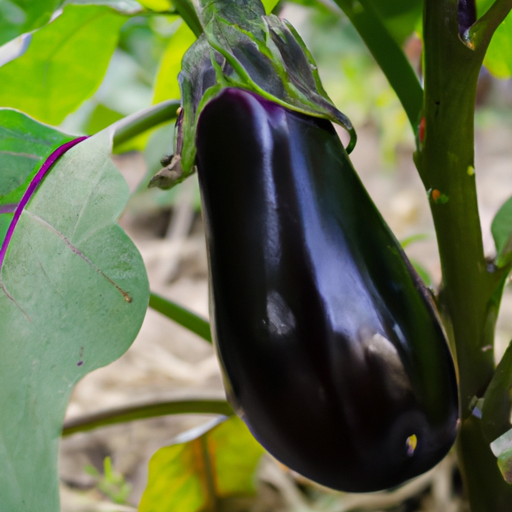
Eggplants are one of the most versatile vegetables you can grow in your garden. Whether you love them grilled, roasted, or fried, they’re a perfect addition to any dish. Not only are they delicious, but they’re also packed with nutrients and antioxidants, making them an excellent choice for a healthy diet. However, growing eggplants can be quite challenging, especially if you’re a novice gardener. In this post, I’ll explain everything you need to know about how to grow eggplant, including the best time of year to plant, soil type, light requirements, water needs, fertilizer needs, and when to harvest.
Zones to Grow Eggplant
The success of growing eggplants largely depends on the climate and the zone in which they’re planted. Eggplants thrive in warm climates and are best suited to USDA Hardiness Zones 5 through 12. They a long growing season of about 100 to 120 days and a consistent temperature between 70 and 85 degrees Fahrenheit (21 – 29 degrees Celsius) to grow robustly. Frost is a nemesis for eggplants, so make sure that all risk of frost has passed before you plant them. If you live in a cooler climate, consider starting your eggsplants indoors and transplanting them outside once the weather warms up.
When to Plant your Eggplant
Time of year to plant: The best time to plant eggplants is in the summer months when the soil is warm and the weather is dry. Eggplants are susceptible to frost and cold temperatures, so it’s important to wait until the threat of frost has passed before planting them. In warmer regions, you can also plant eggplants in the spring.
Best Soil type for Growing Eggplant
Soil type: Eggplants prefer well-draining soil that’s rich in organic matter. A pH level of 5.5 to 6.5 is ideal for optimum growth. I like this soil meter to test not only my pH, my nutrient levels but also the moisture levels of my soil. You can improve the soil quality by adding compost or well-rotted manure before planting.
Light and Water Requirements for Growing Eggplant
Light requirements: Eggplants need at least 6 hours of direct sunlight per day to thrive. They grow best in a location with full sun exposure and good air circulation. If you’re planting in a shady area, you can consider using reflective mulch or pruning nearby plants to increase the amount of sunlight that your eggplants receive.
Water needs: Eggplants need consistent moisture to grow healthy and produce a good harvest. However, they don’t tolerate soggy or waterlogged soil. Water deeply once or twice a week, depending on rainfall and soil conditions. Avoid wetting the leaves and stems to prevent fungal diseases.
Fertilizer Requirement for Growing Eggplant
Fertilizer needs and when to harvest: Eggplants are heavy feeders and require regular fertilization to produce a bountiful harvest. Use a balanced fertilizer with a 5-10-10 or 8-8-8 NPK ratio every two weeks. When the eggplants are about 6 to 8 inches long and have a glossy appearance, they’re ready to harvest. Cut them off with a sharp knife or pruning shears, leaving a short stem attached.
How to Grow Eggplant in a Grow Bag
Growing eggplants in a grow bag is an excellent alternative if you lack garden space, and it can be just as fruitful. Here’s how to do it:
- Choose the right size of grow bag: The size of the grow bag will dictate the health and yield of your eggplants. Generally, a 10-gallon grow bag is a good size for one eggplant. This provides enough space for the roots to spread out and grow, ensuring the plant gets sufficient nutrients and water.
- Fill the bag with the right soil: As mentioned earlier, eggplants thrive in well-draining soil rich in organic matter, with a pH level of 5.5 to 6.5. Use the same soil mixture you’d use for eggplants planted directly in the ground.
- Plant the eggplant: Place the eggplant seedling in the center of the bag and gently cover the roots with more soil until it’s level with the first set of true leaves. Water thoroughly after planting.
- Position the bag: Like their garden-planted counterparts, eggplants in grow bags need at least 6 hours of sunlight per day. Place the bag where it will receive plenty of sun, preferably in a position where it won’t be easily tipped over by the wind.
- Care for the plant: Watering and fertilizer requirements remain the same as for garden-planted eggplants. However, plants in grow bags may dry out more quickly, so check the soil moisture regularly and water when needed.
Remember, grow bags are a versatile and effective method for cultivating eggplants, offering ample opportunity for a healthy, bountiful harvest.
A few Different types of Eggplant and their Features
Here’s a rundown of some of the most popular types of eggplants, their preferred USDA hardiness zones, and unique features:
- Black Beauty (Zones 4-10): This is the classic dark purple eggplant. It’s large, glossy, and bell-shaped, often weighing up to 3 pounds. The flavor is rich and mildly sweet, making it ideal for a variety of dishes.
- Ichiban (Zones 5-11): Ichiban is a Japanese variety, characterized by its long, slender shape and dark purple color. The fruits are tender with a mild flavor, and are great for grilling or stir-frying.
- White Egg (Zones 5-12): As the name suggests, these eggplants are white, and closely resemble an egg. They bear small, round fruits with a sweet, delicate flavor.
- Rosa Bianca (Zones 4-9): Rosa Bianca eggplants are Italian heirlooms, known for their round shape and beautiful lavender-white color. They have a creamy texture and rich flavor, making them perfect for gourmet recipes.
- Fairy Tale (Zones 5-11): Fairy Tale eggplants are small, striped, and perfect for container gardening. They’re prized for their sweet flavor and tender, non-bitter skin.
- Thai Green (Zones 5-12): These eggplants are small, round, and green. They’re commonly used in Thai cuisine, known for their slightly bitter taste and firm texture that holds up well to cooking.
Remember, each type of eggplant has its own set of unique characteristics and care requirements, so it’s important to select the variety that best suits your climate, soil, and culinary preferences.
Happy Gardening!
Growing eggplants can be a rewarding experience, but it requires proper care and attention. With the right cultivation techniques, you can enjoy a bountiful harvest of these delicious vegetables. Remember to plant in the summer months, use well-draining soil, provide adequate sunlight, water consistently, fertilize regularly, and harvest at the right time. By following these simple tips and tricks, you can grow eggplants like a pro and enjoy their amazing flavor in a variety of dishes.
Please be sure to check out my Gardening Blog Post Page for more tips on all types of gardening. Including Seed Saving, Seed Starting, Orchids, Water Gardening, Coldframe Gardening, Indoor Bulb Gardening, Hydroponics, Container Gardening, Mums, Herbs, African Violets, planting Bulbs, Flower Gardening, Vegetable and Fruit Gardening, Indoor Houseplants of all kinds, Cactus, Succulents, Hanging plants, Deer resistant plants and even Bird, Bee, Butterfly and Hummingbird Gardens!