
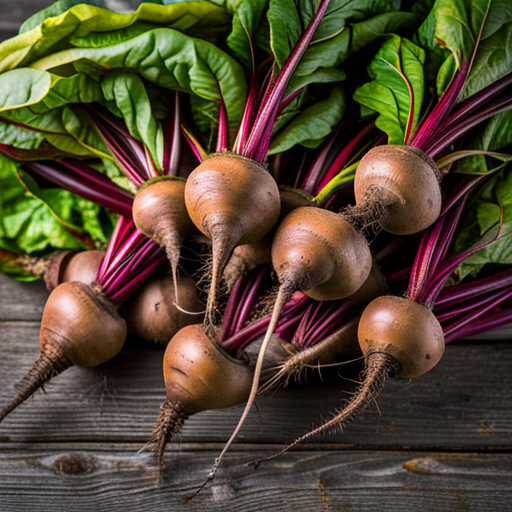
The beet is a delicious root vegetable with a bright red, yellow, or orange flesh that’s packed with essential nutrients. Not only do they add flavor to salads and side dishes, but they’re also rich in antioxidants and may have health benefits. In this blog post, we will discuss how to grow beets from planting to harvesting. We’ll cover the time of year to plant, soil type, light requirements, water needs, fertilizer needs, and the best time to harvest.
Beets are a versatile plant and can be grown in a wide variety of climates and zones. While they are relatively hardy and can withstand cooler temperatures, they thrive best in USDA hardiness zones 2-10. If you live in zones where the summers can be excessively hot, it’s recommended to grow beets during the cooler spring or fall months to avoid bolting and to ensure a sweet and tender harvest.
Time of Year to Plant your Beets
Beets are a cool-season crop, meaning they grow best in temperatures between 50°F and 65°F. The ideal time to plant beet seeds is in early spring or late summer. If you’re planting in the spring, sow the seeds 2-4 weeks before the last expected frost date. If you’re planting in the fall, sow the seeds 10-12 weeks before the first expected frost date. Be aware that beets can take up to 8-10 weeks to mature, so plan accordingly.
Best Soil Type for Growing Beets
Beets prefer deep, loose, and well-draining soil. The ideal soil pH for beets is between 6.0 and 7.5. I like this small soil meter to not only test the pH levels but also test nutrients and moisture levels. If your soil is heavy and clay-like, add sand or compost to improve drainage. If your soil is too acidic, add lime to raise the pH. Beets grow better in loose soil, so it’s crucial to remove any rocks or debris before planting. Apply a layer of organic mulch over the soil to retain moisture and suppress weed growth.
Water and Light Requirements for your Beets
Beets require full sun exposure, which means they need at least 6-8 hours of direct sunlight daily. If you live in a hot area, it’s best to plant beets in a spot that gets afternoon shade. Too much sun can cause the leaves to wilt or scorch. However, not enough sun exposure can stunt root growth and delay maturity.
Beets require consistent moisture to grow well. Water them deeply once or twice a week, depending on the weather conditions. Beets need about 1 inch of water per week. Watering less frequently can cause the roots to split or become woody. It’s essential to keep the soil moist but not waterlogged. Avoid overhead watering, as wet foliage can lead to disease and pest problems.
Fertilizing your Beets and When to Harvest
Beets are heavy feeders, meaning they require ample nutrients to grow well. Before planting, incorporate a balanced fertilizer into the soil, such as 10-10-10 or 5-10-10. After planting, side-dress the beets with nitrogen fertilizer, such as blood meal, fish meal, or compost tea. Apply the fertilizer when the plants are about 4-6 inches tall. Beets are ready to harvest when the root reaches 1-3 inches in diameter. You can also harvest the beet greens, which are delicious and packed with nutrients. Pull the entire plant out of the ground, remove the greens, and rinse off the dirt.
Compost Tea Recipe:
Compost tea is an excellent way to provide your beets with the necessary nutrients, and you can easily make it at home. Here’s a simple recipe to make compost tea:
- Ingredients: You’ll need mature compost, a large bucket (5-gallon capacity), a burlap sack or an old pillowcase, and water. If you want to supercharge your compost tea, you can add unsulphured molasses, which feeds beneficial bacteria and fungi in the compost.
- Procedure: First, fill the burlap sack or pillowcase with compost until it’s about half full. Next, place the bag of compost into your bucket.
- Steeping: Fill the rest of the bucket with water. If your water is chlorinated, let it sit uncovered for 24 hours before using it to allow the chlorine to evaporate. Steep the compost in the water for 3-4 days. Stir it occasionally to aerate and facilitate the multiplication of beneficial microbes.
- Straining: After steeping, remove the sack or pillowcase and squeeze out as much liquid as you can. What remains in your bucket is your compost tea.
- Application: Dilute the compost tea with water until it looks like a weak tea. Use this solution to water your beets.
Remember, always use your compost tea as soon as possible after brewing for maximum benefits. It’s a great, natural way to boost your beet plants’ health and productivity.
How to Grow Beets in a Grow Bag
If you lack space or have infertile ground, growing beets in a grow bag is an excellent alternative. Here’s a simple guide to help you grow beets in a grow bag:
- Choosing the Bag: Select a grow bag that’s at least 10 inches deep and has good drainage. A 7 to 10-gallon bag can accommodate about five plants. Remember, more space per beet means larger beets.
- Preparing the Bag: Fill your bag with a mix of well-rotted compost and potting soil. Ensure the mix is loose and well-draining. Add a layer of bone meal to the mix, which will provide the necessary phosphorous for root development.
- Planting the Seeds: Plant the beet seeds about an inch deep and 2 to 3 inches apart. Cover the seeds with soil and water well.
- Positioning the Bag: Place the grow bag in a location where it can get 6 to 8 hours of sunlight daily. However, if you live in a very hot area, make sure the bag is in a spot where it gets some afternoon shade.
- Aftercare: Water the plants regularly to keep the soil consistently moist. A well-watered beet crop is less likely to have woody roots. Don’t forget to fertilize. A liquid seaweed feed every two weeks can work wonders.
- Harvesting: Beets are ready to harvest when the root reaches 1-3 inches in diameter. Gently twist and pull the beetroot from the bag when ready.
Remember, grow bags can dry out more quickly than traditional garden soil, so keep a close eye on the moisture level, particularly during hot, dry periods.
Just a Few Different Types of Beets and their Features
- Detroit Dark Red: This is the classic red beet that is most commonly grown in home gardens. It has a sweet flavor and smooth texture. The roots are deep red, and the tops can be used as greens.
- Golden Beet: As the name suggests, golden beets are yellow-orange in color. They have a milder flavor compared to red beets and don’t stain as much.
- Chioggia Beet (also known as Candy Stripe Beet): This Italian heirloom type is known for its striking red-and-white striped flesh. It has a sweet, peppery flavor and is best used raw in salads to maintain its beautiful coloring.
- Cylindra Beet: This variety, also known as “Formanova,” produces long, cylindrical roots that are perfect for slicing. It has dark red flesh and a tender texture.
- Bull’s Blood Beet: This variety is particularly noted for its stunning, dark burgundy leaves that add a pop of color to salads. The roots are sweet and earthy.
- Touchstone Gold Beet: This is a great choice for those who love the sweet flavor of beets but prefer a variety that’s less likely to stain. The roots are bright yellow, and the greens are also delicious.
- Albino Beet: This white beet has a mild flavor and doesn’t bleed like red beets. It’s a great choice for pickling and roasting.
Remember, irrespective of the variety, beets are a valuable addition to your garden, adding not only vibrant colors but also offering a host of nutritional benefits.
Happy Gardening!
Growing beets is a rewarding experience that not only adds a flavorful addition to any meal, but it’s also packed with essential nutrients. With this guide, you now know the best time of year to plant, the soil type needed, light, water and fertilizer requirements, as well as when to harvest. By following these simple steps, you can grow beets that are healthy and delicious. We hope this guide has been informative and helpful for your gardening journey.
Please be sure to check out my Gardening Blog Post Page for more tips on all types of gardening. Including Seed Saving, Seed Starting, Orchids, Water Gardening, Coldframe Gardening, Indoor Bulb Gardening, Hydroponics, Container Gardening, Mums, Herbs, African Violets, planting Bulbs, Flower Gardening, Vegetable and Fruit Gardening, Indoor Houseplants of all kinds, Cactus, Succulents, Hanging plants, Deer resistant plants and even Bird, Bee, Butterfly and Hummingbird Gardens!