
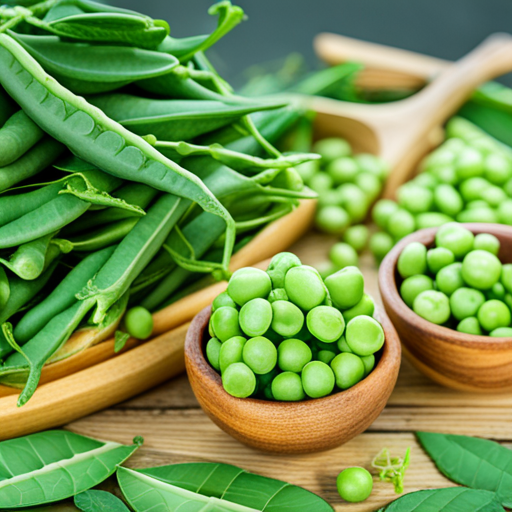
Peas are delicious and nutritious legumes that you can easily grow in your own garden. Whether you’re a seasoned gardener or a beginner, growing peas is an easy and rewarding experience. In this blog post, we’ll cover all the basics of how to grow peas, including soil types, light requirements, water needs, fertilizer needs, and how and when to harvest. By the end of this article, you’ll be well on your way to growing sweet and succulent peas in your own garden.
Peas thrive best in USDA hardiness zones 3-9, as they prefer cooler temperatures. They can tolerate light frosts, making them a fantastic choice for early spring and late autumn cultivation. With regards to planting time, you should aim to get your seeds in the ground about four to six weeks before the last spring frost. If you’re planning a fall crop, plant your peas about two months before your first expected fall frost. Remember, peas need soil temperatures between 45°F to 75°F (7°C to 24°C) to germinate effectively, and they’ll stop producing once temperatures climb above 70°F to 75°F (21°C to 24°C) consistently. Stick to these guidelines, and you’ll be setting your pea plants up for a successful growing season.
Best Soil for Growing Peas
Peas grow best in well-draining soil that is rich in organic matter. Before planting your peas, work in some compost or aged manure. The ideal pH range for peas is between 6.0 and 7.5. However, peas can tolerate slightly acid soils up to pH 5.5. I really like this small soil meter to not only check my pH levels but also monitor my moisture levels. Avoid planting peas in heavy clay soils as they can become waterlogged and stunt the growth of your plants. Peas like moist soil, but not waterlogged soil. Therefore, be sure to have proper drainage in your garden bed or container.
Light Requirements for Growing Peas
Peas prefer full sun, but they can tolerate semi-shaded environments. They need at least 6 hours of sunlight each day to grow and produce a good yield. If you grow peas in a container, place your containers in a sunny spot on your patio or deck.
Water Requirements for Your Peas
Peas need consistent moisture, especially during the germination period. Water your pea plants deeply once a week. Peas do not like soggy soil, nor do they like to dry out completely. Mulching around your pea plants can help to retain moisture in the soil.
Fertilizer Requirements for Growing Peas
Peas are nitrogen-fixing plants, which means they can capture nitrogen from the air and soil and convert it into a form that is available to them. However, this doesn’t mean your pea plants don’t need fertilizer. Provide your peas with phosphorus and potassium-rich fertilizers, such as bone meal, rock phosphate, and greensand. Too much nitrogen can encourage your pea plants to produce more leaves than peas. Therefore be moderate with your fertilizer application.
Peas Benefit from a Trellis
While it’s not absolutely necessary, providing a trellis for your pea plants can bring significant benefits. Peas are vining plants and climb naturally. When given a structure to climb, they can focus their energy on producing pods rather than supporting their own weight. A trellis can also increase air circulation around your plants, reducing the risk of disease, and can help to maximize the use of space in your garden. Furthermore, harvesting will become easier with a trellis, as the pods will be more visible and accessible. If you choose not to use a trellis, be sure to provide ample space between your plants to support their growth and health.
How and When to Harvest your Peas
Peas are ready for harvesting 45-70 days after planting. Test the pods by rubbing your finger over them. If they feel plump and round, they’re ready for harvesting. Use clean scissors to snip off the pods from the plants. Avoid pulling the pods as this can damage the plant. Harvest your peas when they are young and tender. Peas left too long on the vine will become tough, and the plant will stop producing more pods.
How to Grow Peas in a Grow Bag
Grow bags are an excellent alternative for those who don’t have a lot of garden space or who want to try container gardening. When considering the size of the grow bag for your peas, it’s essential to provide enough room for the roots to spread and grow. A 5 to 7-gallon grow bag is typically sufficient for most varieties of peas. Make sure the bag has adequate drainage holes to prevent waterlogging. Fill the bag with a well-draining potting mix rich in organic matter and follow the same care instructions as for garden-grown peas. One advantage of grow bags is that you can move them around to take full advantage of sunlight or protect them from harsh weather conditions.
Different Types of Peas
- Garden Peas (Pisum sativum): These are the most common type of peas that you’ll find in grocery stores. They are also known as English peas. The peas are sweet and are typically removed from the pod before eating.
- Snow Peas (Pisum sativum var. saccharatum): These peas are characterized by their flat, edible pods. They are best harvested when the peas are just starting to form.
- Sugar Snap Peas (Pisum sativum var. macrocarpon): This is a cross between garden and snow peas. Both the pod and the peas inside are edible. They are sweet, crunchy, and an excellent addition to stir-fries and salads.
- Field Peas (Pisum sativum var. arvense): These are typically used in dried form and are popular in soups and stews. Their hardy nature makes them ideal for winter cultivation.
- Crowder Peas (Vigna unguiculata): Also known as Southern peas or black-eyed peas, these are actually beans, not peas. They’re heat-tolerant and a great source of protein.
- Marrowfat Peas (Pisum sativum var. medullare): These peas are allowed to mature and dry out on the vine before harvesting. They are usually used to make mushy peas, a traditional British dish.
No matter what variety you choose, peas are a fantastic addition to any garden. They’re easy to grow, nutritious, and can enhance the fertility of your soil. Whether you prefer the traditional garden peas or the edible-podded snow and snap peas, there’s a variety out there to suit your palate and your gardening goals.
Happy Gardening!
Growing peas is a great way to enjoy fresh, tasty vegetables straight from your garden. By following these simple guidelines, you can grow healthy pea plants that produce a hefty yield of sweet peas. Remember to focus on well-draining soil, consistent moisture, and plenty of sunlight for your pea plants. Also, don’t forget to add some organic matter to your soil and provide your peas with the right amount of fertilizer. Finally, don’t forget to harvest your peas at the right time for maximum flavor.
Please be sure to check out my Gardening Blog Post Page for more tips on all types of gardening. Including Seed Saving, Seed Starting, Orchids, Water Gardening, Coldframe Gardening, Indoor Bulb Gardening, Hydroponics, Container Gardening, Mums, Herbs, African Violets, planting Bulbs, Flower Gardening, Vegetable and Fruit Gardening, Indoor Houseplants of all kinds, Cactus, Succulents, Hanging plants, Deer resistant plants and even Bird, Bee, Butterfly and Hummingbird Gardens!