
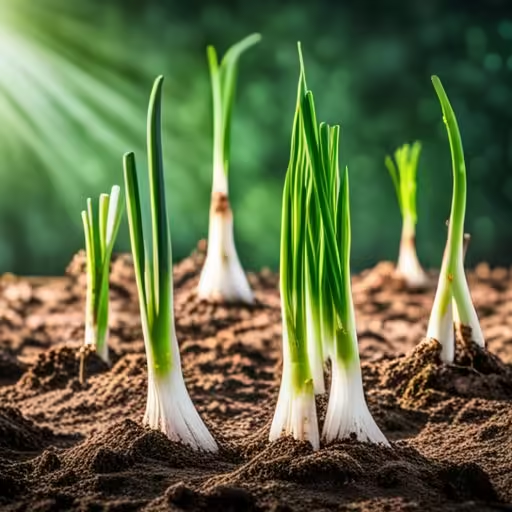
Gardening is a fun and rewarding hobby that almost anyone can enjoy. One of the easiest and most forgiving plants to grow is the humble green onion. Green onions, also known as scallions, have a delicate onion flavor that can add depth to a variety of dishes. They can be grown from seeds or starts in almost any type of soil, and require minimal attention to thrive. In this post, we’ll cover everything you need to know on how to grow green onions, including the best time of year to plant, soil and water requirements, fertilizer needs, and harvesting tips.
When to Plant Outdoors
Green onions can be planted either from seeds or starts. Seeds can be planted directly into the ground in early spring or late summer. It’s important to keep the soil moist until the seeds germinate, which can take up to two weeks. If you want to grow green onions from starts, look for plants that are about 4-6 inches tall. Plant them about 6 inches apart and cover the roots with soil. Be sure to water them well after planting.
Soil Requirements
Green onions are quite versatile and can grow in a wide range of soil types. However, they tend to thrive best in a well-draining soil with a pH level between 6.2 and 6.8. I love this small soil meter to not only test the pH and nutrients but also the soils moisture levels. This could be sandy loam or clay loam. The soil should be rich in organic matter to provide the nutrients required for optimal growth. If your garden soil is heavy clay or too sandy, you can improve its texture and fertility by incorporating organic compost or well-rotted manure. This enriches the soil and improves its capacity to retain water and nutrients. Remember to test your soil’s pH levels to ensure it’s within the optimal range for your green onions.
How much Sunlight do Green Onions Need?
Green onions appreciate full sun but can tolerate partial shade, which makes them versatile for various garden or patio placements. If you are planting them in a garden, aim for an area that gets at least six hours of direct sunlight each day. For patio plantings, ensure your container is positioned in a bright spot. Even if your space only receives partial sun, green onions should grow, albeit at a slower pace. Remember, a sunnier spot generally leads to quicker growth and a larger harvest.
Watering your Onions
Green onions don’t require a lot of water, but they do need to be kept consistently moist. Water them deeply once or twice a week, or more often in hot, dry weather. Be sure to water the soil, not the leaves, to avoid disease.
Fertilizing
Green onions don’t need a lot of fertilizer, but a little bit can go a long way towards promoting healthy growth. A balanced, all-purpose fertilizer can be applied every 4-6 weeks during the growing season.
Harvesting your Onions
Green onions can be harvested at any time during the growing season. You can either pull them up by the roots, or clip off the tops and use them as needed. Whichever method you choose, make sure to leave at least an inch or two of the green tops intact, as this is where the flavor is.
How to Grow Green Onions in Grow Bags
Using grow bags for your green onions can offer some unique benefits. These bags are lightweight, easy to move, and can be used in places where traditional gardening is challenging, such as balconies or patios.
To start, select a grow bag that is at least 8 inches deep to accommodate the roots. Fill the grow bag with a good-quality potting soil mixed with compost. If you are using onion starts, make holes approximately 6 inches apart and put the starts into the holes, ensuring the roots are covered with soil. If you’re sowing seeds, you can simply scatter them on the surface of the soil and lightly cover them.
Just like with traditional gardening, water your green onions regularly, ensuring the soil remains consistently moist. In hot weather, you may need to water your grow bags more frequently as they tend to dry out faster.
Fertilize every 4-6 weeks, just as you would in a garden. Harvest your green onions as needed, remembering to leave at least an inch or two of the green tops for flavor. With grow bags, you have the flexibility to grow green onions year-round, as you can easily bring the bags indoors when the weather turns cold.
How to Grow Green Onions Indoors Year Around!
Green onions can be grown indoors, making them an excellent choice for those living in apartments or homes without outdoor gardening space. All you need is a pot, some soil, and a sunny windowsill. Choose a container with good drainage and fill it with potting soil mixed with compost. If you’re using starts, plant them in the soil, ensuring the roots are covered. If you’re sowing seeds, simply scatter them over the soil and cover lightly.
Place the pot on a bright windowsill where it will receive at least six hours of sunlight daily. Or if you don’t have the perfect window you can always use grow light. Water the soil regularly, keeping it consistently moist but not waterlogged. You can use the same all-purpose fertilizer as mentioned for outdoor planting, applying it every 4-6 weeks. You’ll be able to harvest your green onions directly from your indoor garden as needed, remembering to leave an inch or two of the green tops for flavor.
One unique benefit of growing green onions indoors is that you can have a year-round supply of fresh onions, regardless of the weather outside. It’s also a fantastic way to introduce kids to gardening, giving them a fun and hands-on way to learn about how plants grow.
Happy Gardening!
Growing green onions is a great way to get started with gardening. They’re an easy plant to grow, require minimal attention, and can add flavor and depth to a wide variety of dishes. If you’re a beginner gardener, or just looking for a new plant to add to your garden, give green onions a try. With a little bit of care and attention, you’ll be enjoying fresh, homegrown green onions in no time!
Please be sure to check out my Gardening Blog Post Page for more tips on all types of gardening. Including Seed Saving, Seed Starting, Orchids, Water Gardening, Coldframe Gardening, Indoor Bulb Gardening, Hydroponics, Container Gardening, Mums, Herbs, African Violets, planting Bulbs, Flower Gardening, Vegetable and Fruit Gardening, Indoor Houseplants of all kinds, Cactus, Succulents, Hanging plants, Deer resistant plants and even Bird, Bee, Butterfly and Hummingbird Gardens!