
Ferns are some of the most popular houseplants around. They are elegant, delicate and have a soft, calming effect on their surroundings. However, keeping them alive and healthy indoors can be a challenge for some gardeners, especially if you’re a beginner. In this post, we’ll show you how to keep ferns alive indoors by learning how to choose the right pot for your fern. Also the type of soil it needs, how to water it, what type of light it requires, and how to fertilize it. If you love indoor plants and wish to add ferns to your collection, then you must keep reading!
Pot Type for your Ferns
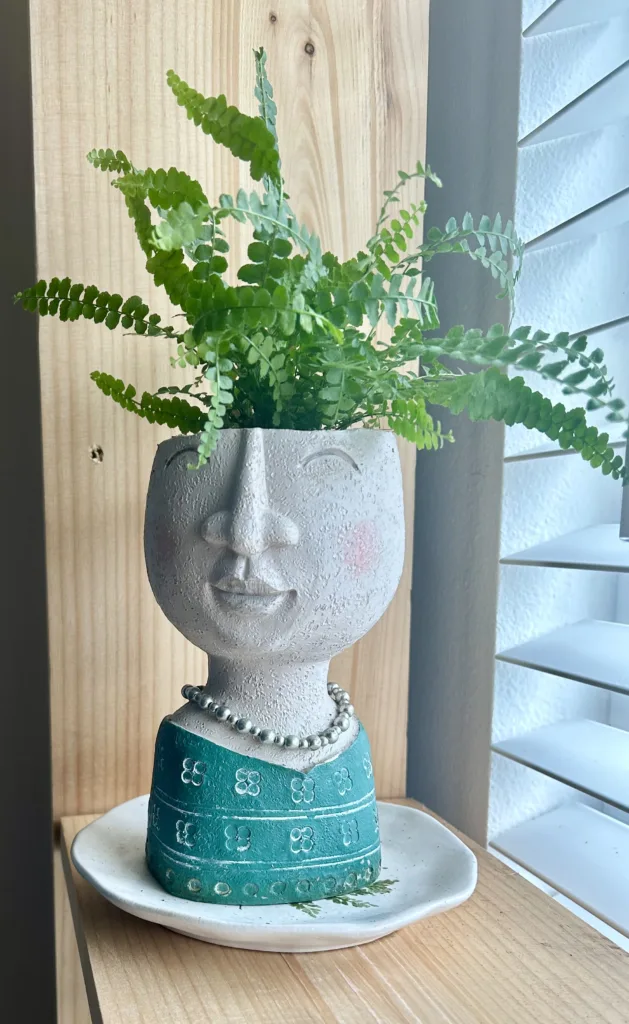
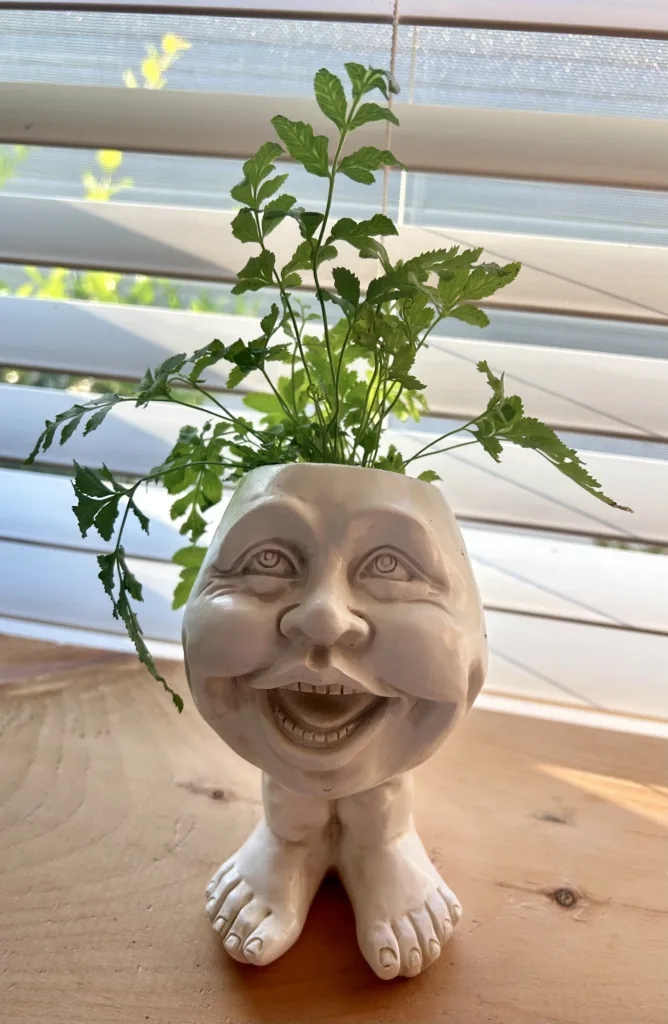
Ferns love shallow pots because their roots can’t go deep into the soil. A perfect pot should be well-draining and made of the right material. Clay pots are an excellent choice for ferns because they’re porous, allowing excess water to escape. Moreover, clay pots are ideal for those who forget to water their plants since they soak up moisture from the soil and release it back into the air. But, if you prefer resin, plastic or ceramic pots, you must make sure they come with drainage holes to prevent water-logging. I am falling in love with the new pot head planters and they are working great for my smaller ferns!
Soil Requirements for your Ferns
Choosing the right soil for your fern is crucial for its growth and survival. Ferns prefer a well-draining soil mix that is rich in organic matter. A good soil mix for ferns should consist of peat moss, perlite, vermiculite ingredients, and sand. That said, if you’re not confident about making your soil mix, you can purchase premixed soil designed for ferns and other indoor houseplants.
How to keep your Ferns alive indoors including Water Requirements
Ferns are susceptible to root rot and need consistent soil moisture to thrive. Water your fern when the top inch of soil feels dry to the touch, which means you must water it slightly more frequently in the summer months than in the winter months. Over-watering or under-watering your fern can damage it severely. So, take care not to water it too much or too little, and be sure not to let the soil go bone dry. I also have a glass mister near my ferns and mist them a few times a week.
Light Needs to keep you Fern Alive Indoors
Ferns prefer bright, indirect light that mimics the conditions they would get in their natural environment. You can place your fern near an east-facing window or a north-facing window that gets plenty of light but not direct sunlight. However, if you have a south-facing window, you may need to filter the light since it may be too intense for your fern. If you notice that your fern’s fronds are turning brown, it’s a sign that it’s getting too much sun and that you should move it to a shadier location. You can also use LED grow lights if you don’t have the perfect window for your fern.
Fertilizer Needs
Ferns need fertilizing to thrive, and you can do this by adding a balanced fertilizer to their soil during the growing season, typically once every two to three weeks. However, be sure not to over-fertilize your fern, as this can do more harm than good. Instead, look for a slow-release fertilizer to provide your fern with the necessary nutrients in a controlled way.
Happy Gardening!
Ferns thrive indoors if they get the right soil, water, light, pot and fertilization. As a gardener, if you are looking to keep these elegant and delicate indoor plants alive, it’s essential to choose the right pot and soil mix to aid their health and growth. Understanding the light requirements and watering patterns of your indoor plants is equally crucial to keep them healthy. Lastly, fertilizing is an essential piece of the puzzle that you must not forget. With the information provided, you can now keep your ferns looking healthy and stunning all year round. So, get out there and start your fern collection today!
Please be sure to check out my Gardening Blog Post Page for more tips on all types of gardening. Including Seed Saving, Seed Starting, Orchids, Water Gardening, Coldframe Gardening, Indoor Bulb Gardening, Hydroponics, Container Gardening, Mums, Herbs, African Violets, planting Bulbs, Flower Gardening, Vegetable and Fruit Gardening, Indoor Houseplants of all kinds, Cactus, Succulents, Hanging plants, Deer resistant plants and even Bird, Bee, Butterfly and Hummingbird Gardens!