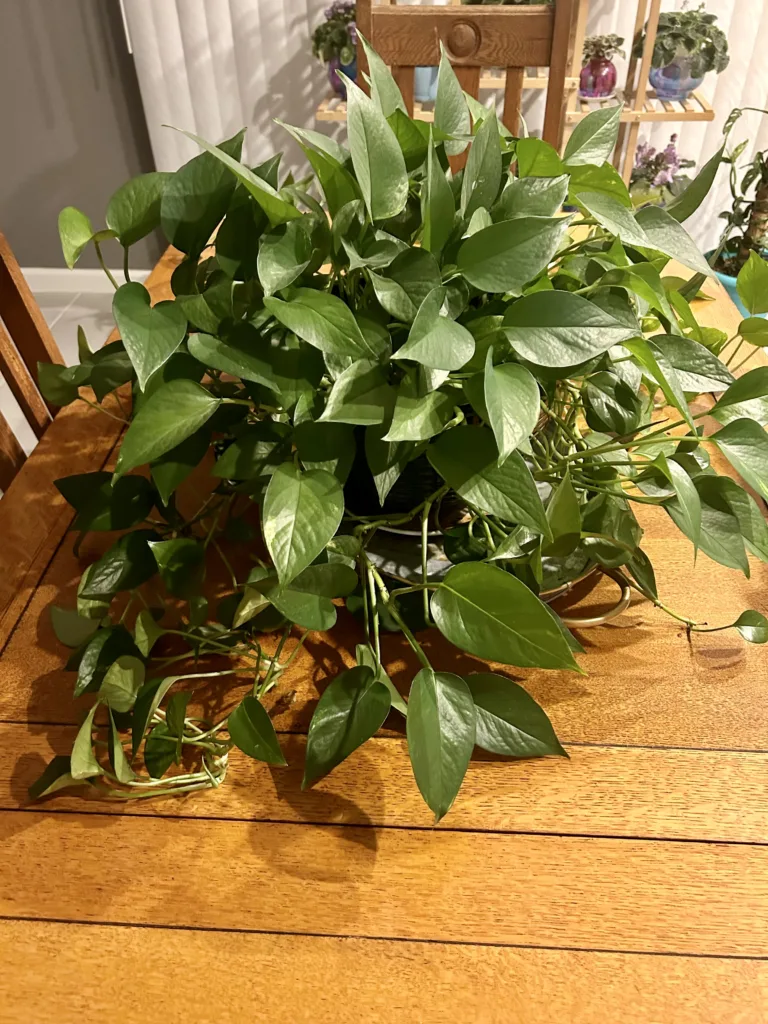
Philodendrons are one of the easiest plants to propagate, making it a favorite among gardeners. Propagation simply means creating new plants from stem or leaf cuttings. There are several ways of propagating philodendron, and each method has its own advantages and disadvantages. In this blog post, we will explore the different methods of propagating philodendrons and help you choose the best technique for multiplying your plants.
Propagating Philodendron by Water
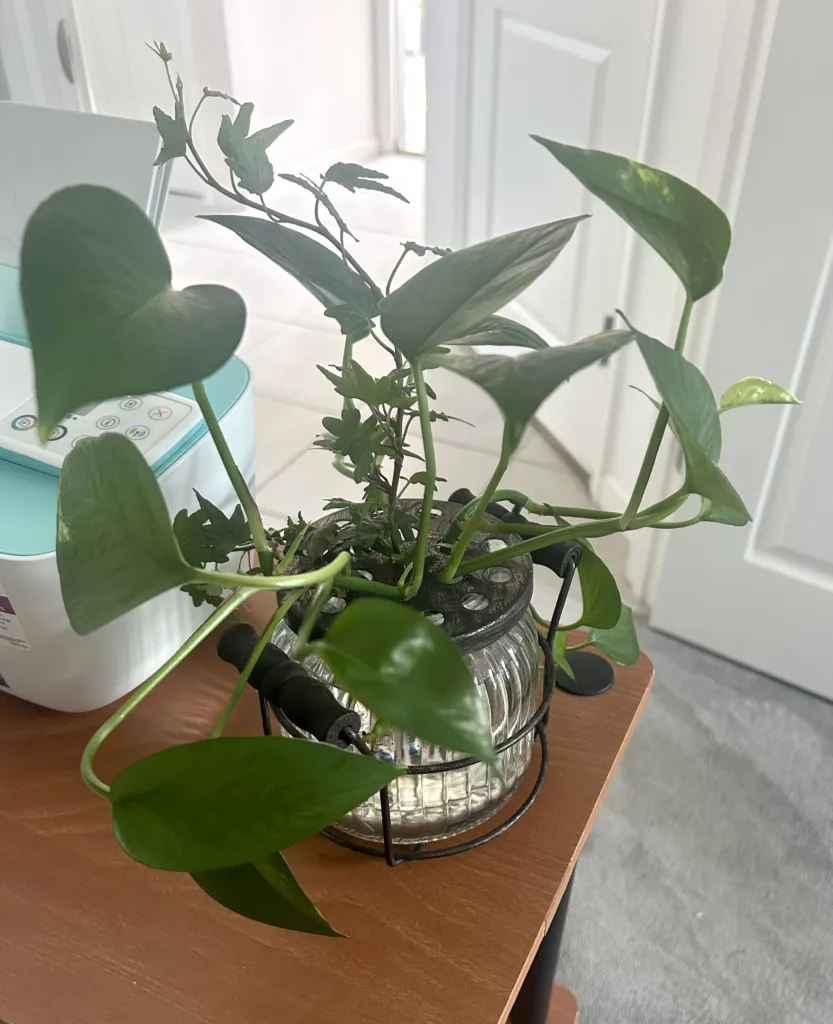
Water propagation involves placing a stem cutting in a vase with these adorable propagation buddies or propagation station filled with water until it develops roots. This is perhaps the most common method of propagating philodendrons. To start, cut a stem with at least one leaf and submerge the cut end into the water, making sure that the leaf stays above the water line. Change the water every few days to prevent bacteria growth. After a few weeks, you should notice roots sprouting from the cut end. Once the roots are a few inches long, you can move the cutting into the soil or leave it in a jar of water.
Propagating Philodendron by Soil Technique
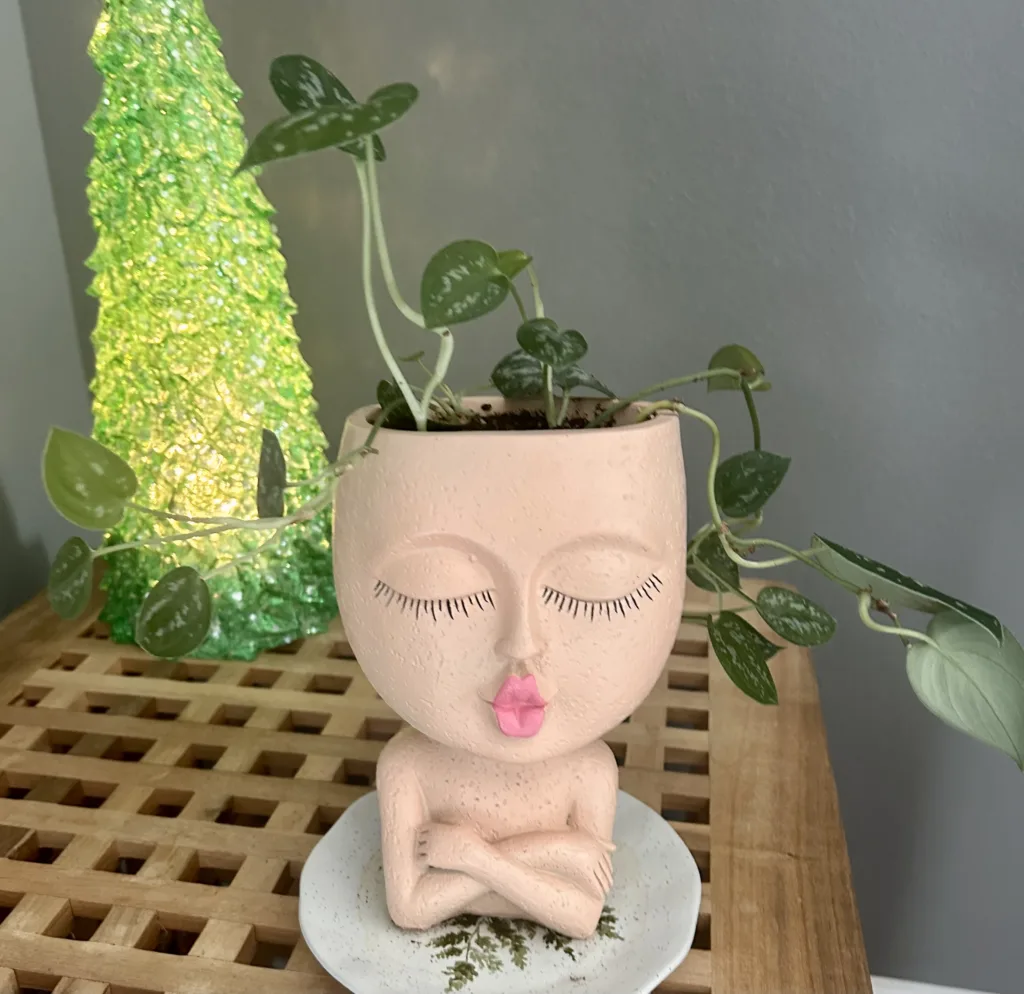
Soil propagation involves planting a stem and cutting directly into the soil. This is a great alternative for people who don’t have a lot of space for jars of water. To start, take a stem with a few leaves and remove the bottom leaves. Dip the cut end into the rooting hormone, then plant it in a pot filled with moist soil. Water the cutting regularly, keeping the soil moist. Within a few weeks, the cutting should develop roots and new leaves.
Air Layering Propagation
Air layering is a more complicated form of propagation that involves creating a rooted stem while the plant is still connected to its parent plant. This method is great for plants that are too big to propagate by water or soil. To start, locate a node on the stem of the parent plant where you want to create a new plant. Make a small wound on the stem just beneath the node and wrap it with sphagnum moss. Cover the moss with plastic or foil to keep it moist and wait for roots to develop. Once the roots are a few inches long, you can cut the new plant from the parent plant and plant it in the soil.
Propagating Philodendron by Division
Division involves separating the parent plant into smaller plants. This method is great for philodendrons that have grown too big for their pots and seem rootbound. To start, carefully take the parent plant out of its pot and gently separate the roots and stems into smaller individual plants. Make sure each plant has its roots and replants in separate pots. Water them well and keep them out of direct sunlight for a few days until they establish new roots.
Happy Gardening!
There is no single right way to propagate philodendrons. Choosing the best method depends on the resources and space you have available, as well as the type of philodendron you are propagating. With these different techniques at your disposal, propagation should be a fun and fulfilling adventure. Happy propagating!
Please be sure to check out my Gardening Blog Post Page for more tips on all types of gardening. Including Seed Saving, Seed Starting, Orchids, Water Gardening, Coldframe Gardening, Indoor Bulb Gardening, Hydroponics, Container Gardening, Mums, Herbs, African Violets, planting Bulbs, Flower Gardening, Vegetable and Fruit Gardening, Indoor Houseplants of all kinds, Cactus, Succulents, Hanging plants, Deer resistant plants and even Bird, Bee, Butterfly and Hummingbird Gardens!