
A Fishbone Cactus (or Epiphyllum angular) is a popular houseplant that is easy to care for and provides an interesting conversation piece. Unlike some other cacti, this cactus does not have spines or needles, making them a safe option for households with pets or small children. The Fishbone Cactus is composed of flat, paddle-shaped leaves that grow in a pattern resembling a fish skeleton. Also, known as Ric Rac or Zig Zag Cactus. They are usually green but can sometimes have yellow and pinkish hues.
Fishbone Cactus Flower
This Cactus has impressive blooms that generally appear during the summer months. These blooms come in shades of white or pink and have a unique and attractive scent. They also make for a nice addition to any home, as the blooms are fragrant and quite eye-catching.
Fishbone Cactus Care
When caring for your fishbone cactus, it’s important to provide the right environment. They prefer bright light and should not be placed in direct sunlight as this can cause sunburn. Watering should also be done carefully, as they are prone to root rot if overwatered. A good rule of thumb is that the soil should dry out between waterings.
Choosing the right pot and soil
The correct pot is essential for its health. A pot with drainage holes should be used, and the soil should be a mixture of cactus soil and perlite or pumice to promote good drainage. The Fishbone Cactus needs bright light but not direct sunlight, and it should be kept moist but not soggy.
Fertilizer
This Cactus should be fertilized regularly during the growing season (spring and summer). A balanced fertilizer is recommended, as this cactus does best with a mix of nitrogen, phosphorus, and potassium. Care should be taken not to over-fertilize, however, as too much can damage the plant’s roots.
Watering
The Fishbone Cactus should be watered when the soil has dried out, usually every 7-10 days during the growing season and less often during the winter months. Overwatering can lead to root rot, so care must be taken not to water too frequently.
Light
The Fishbone Cactus enjoys bright light but not direct sunlight, so it is best to place the plant near a window or other source of indirect light. If the sun is too strong, it can cause scorching of the leaves and damage the plant.
Grow Light
If the plant is not receiving enough light, a grow light can be used to supplement natural sunlight. These lights should only be used during the day and should be turned off at night.
Propagating Fishbone Cactus
If you are looking to increase your Fishbone Cactus collection, then taking cuttings from the plant is a great way to do so. To propagate your cactus, simply use a sharp knife to carefully cut pieces of the stem, let them sit out, and allow the cut edges to harden off for a few days then replant in new pots with cactus soil. The cuttings should be kept moist until they have rooted and are then ready to be potted.
Pest and how to Control
The Fishbone Cactus may be susceptible to pests such as mealybugs, spider mites, or scale. If you notice any of these pests on your cactus, then it is important to act quickly and treat the plant with an appropriate insecticide.
For the Fishbone Cactus, insecticidal soap or neem oil can be used to treat pest infestations. It is important to read and follow the directions on the product’s label carefully before applying it to your plant.
Tips on Pruning Fishbone Cactus
When the Fishbone Cactus gets too large or unruly, it can be pruned back to its desired size. Pruning should be done in the spring or summer when the plant is actively growing and before flowering has begun. When pruning, use clean and sharp scissors to ensure a clean cut.
Common Mistakes to avoid when growing Fishbone Cactus
One common mistake when growing Fishbone Cactus is over-watering. Too much water can cause root rot and kill the plant, so it is important to check the soil before each watering and only give enough to keep the soil moist but not soggy. It is also important to provide adequate light for your cactus; too little light can cause the plant to become leggy and weak. Lastly, fertilizing too often or with a fertilizer that is too strong can damage your cactus’s roots, so it is important to use a balanced fertilizer and follow the directions on the package.
Happy Gardening!
The Fishbone Cactus is a beautiful and easy-to-care-for succulent that adds an interesting element to any home or garden. With the right pot, soil, and light it is easy to maintain and propagate if desired. It should be watered when the soil has dried out and fertilized regularly during the growing season. Finally, it is important to watch out for pests and not over-water or over-fertilize your cactus. With the proper care, your Fishbone Cactus will thrive!
Please be sure to check out my Gardening Blog Post Page for more tips on all types of gardening. Including Seed Starting, Orchids, Water Gardening, Coldframe Gardening, Indoor Bulb Gardening, Hydroponics, Container Gardening, Mums, Herbs, African Violets, planting Bulbs, Flower Gardening, Vegetable and Fruit Gardening, Indoor Houseplants of all kinds, Cactus, Succulents, Hanging plants, Deer resistant plants and even Bird, Bee, Butterfly and Hummingbird Gardens!
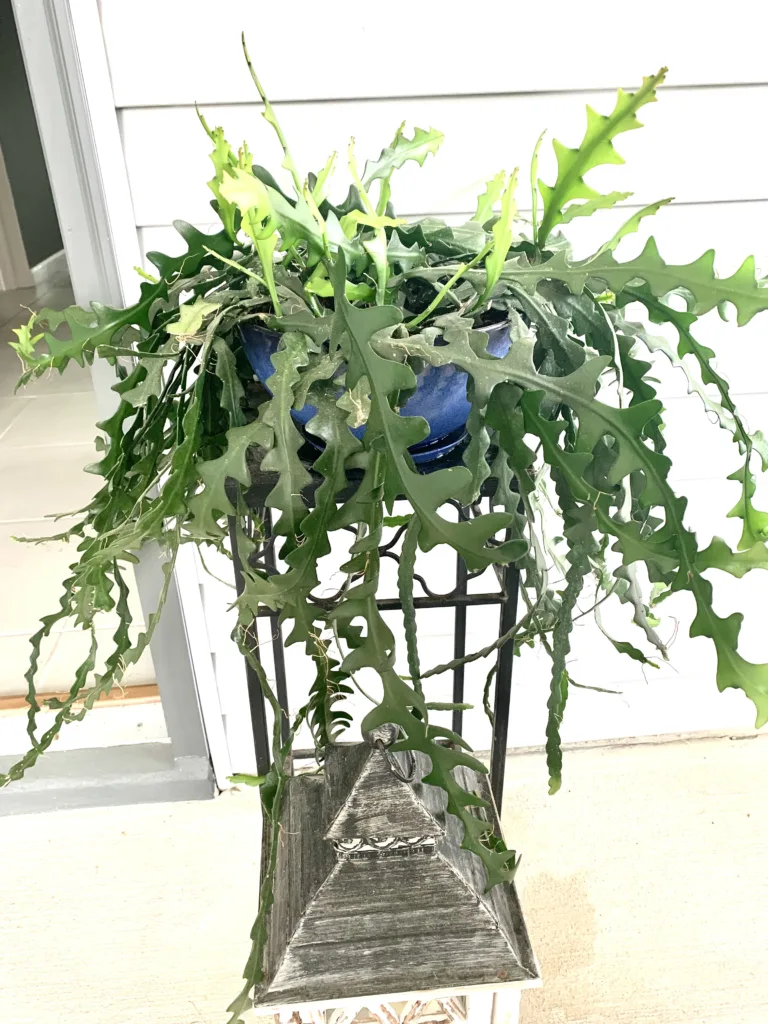
My beautiful Fishbone Cactus started a year ago with just 3 cuttings and now look at it!! I have given away multiple starts and each time it just shoots out more!!